• Fri frakt över 249 kr
  • •
  • Snabba leveranser
  • •
  • Billiga böcker
Kundservice

Du är på sajten för privatpersoner.

Företag, bibliotek eller offentlig verksamhet?

Du handlar på classic.bokus.com, där alla dina funktioner finns intakta.
Till classic.bokus.com
Bokus logotyp. Gå till startsidan.
  • Erbjudanden
  • Nyheter
  • Student
  • Topplistor
  • Barn & ungdom
  • Bokus Play
  • E-böcker
  • Pocketböcker
  • Spel & pussel

10% rabatt på allt med kod NYSTART10 →

Sidfot

Mina sidor

    Hjälp

    • Kundservice
    • Vanliga frågor och svar
    • Frakt och leverans
    • Retur vid ångerrätt
    • Reklamera vara
    • Betalning
    • Köpvillkor
    • Allmänna villkor
    • Information om webbplatsens tillgänglighet

    Om Bokus

    • Om oss
    • Pressrum
    • För studenter
    • För företag
    • För bibliotek och offentlig verksamhet
    • För leverantörer
    • Hållbarhet

    Populärt

    • Aktuella erbjudanden
    • Presentkort
    • Studentlitteratur
    • Nya böcker
    • Topplistor
    • Signerade böcker
    • Engelska böcker

    Inspiration

    • Boktips
    • BookTok
    • Populära bokserier
    • Barnbokskaraktärer
    • Populära författare
    Logotyp för Bokus
    Följ oss på Facebook (extern länk)Följ oss på Instagram (extern länk)Följ oss på YouTube (extern länk)Följ oss på TikTok (extern länk)
    bokus @ CookiesAnpassa cookiesIntegritetspolicyKöpvillkor
    Till Citymail hemsida (extern länk)Till Budbee hemsida (extern länk)Till Postnord hemsida (extern länk)Till Schenker hemsida (extern länk)Till Early Bird hemsida (extern länk)Till Walleys hemsida (extern länk)
    1. Kultur
    2. Designböcker
    3. Grafisk design

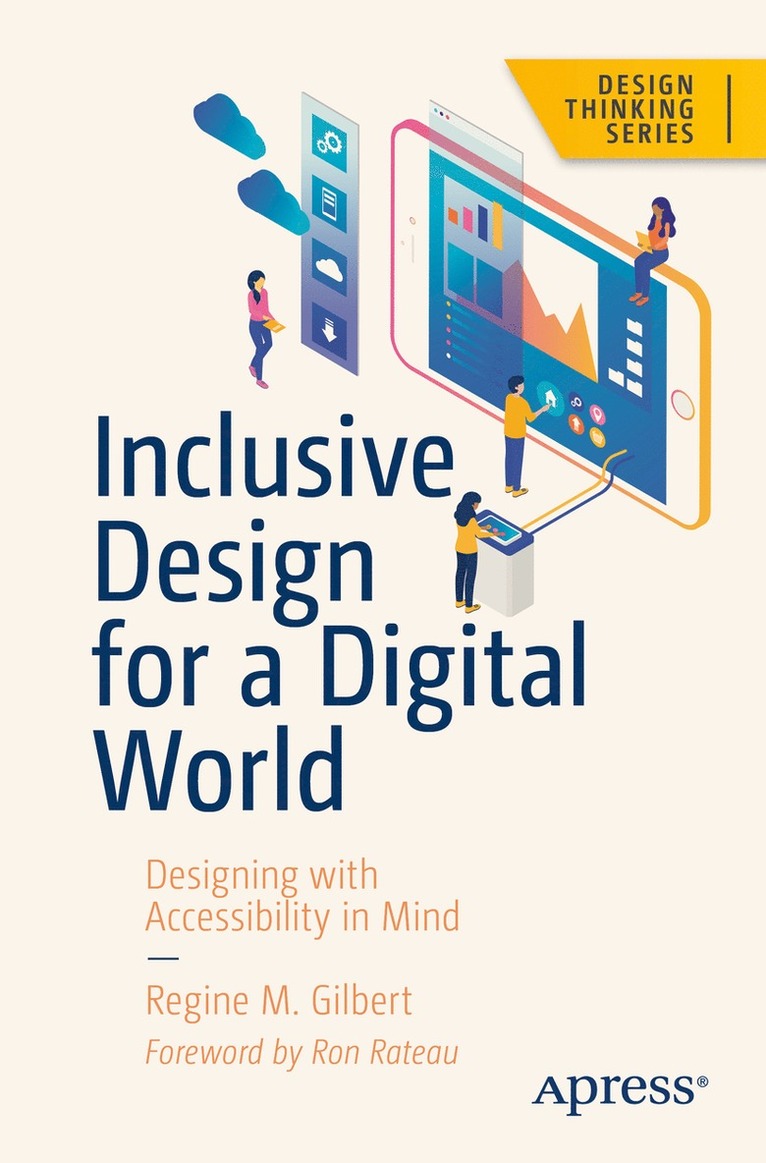
    Inclusive Design for a Digital World

    Designing with Accessibility in Mind

    AvRegine M. Gilbert

    Häftad, Engelska, 2019

    537 kr

    Beställningsvara. Skickas inom 11-20 vardagar. Fri frakt över 249 kr.

    Fler format och utgåvor

    E-bok

    537 kr

    E-bok

    650 kr

    Häftad

    440 kr

    Beskrivning

    What is inclusive design? It is simple. It means that your product has been created with the intention of being accessible to as many different users as possible. For a long time, the concept of accessibility has been limited in terms of only defining physical spaces. However, change is afoot: personal technology now plays a part in the everyday lives of most of us, and thus it is a responsibility for designers of apps, web pages, and more public-facing tech products to make them accessible to all. Our digital era brings progressive ideas and paradigm shifts – but they are only truly progressive if everybody can participate.In Inclusive Design for a Digital World, multiple crucial aspects of technological accessibility are confronted, followed by step-by-step solutions from User Experience Design professor and author Regine Gilbert. Think about every potential user who could be using your product. Could they be visually impaired? Have limited motor skills? Be deaf or hard of hearing? This book addresses a plethora of web accessibility issues that people with disabilities face. Your app might be blocking out an entire sector of the population without you ever intending or realizing it. For example, is your instructional text full of animated words and Emoji icons? This makes it difficult for a user with vision impairment to use an assistive reading device, such as a speech synthesizer, along with your app correctly. In Inclusive Design for a Digital World, Gilbert covers the Web Content Accessibility Guidelines (WCAG) 2.1 requirements, emerging technologies such as VR and AR, best practices for web development, and more.As a creator in the modern digital era, your aim should be to make products that are inclusive of all people. Technology has, overall, increased connection and information equality around the world. To continue its impact, access and usability of such technology must be madea priority, and there is no better place to get started than Inclusive Design for a Digital World.What You’ll LearnThe moral, ethical, and high level legal reasons for accessible designTools and best practices for user research and web developersThe different types of designs for disabilities on various platformsFamiliarize yourself with web compliance guidelinesTest products and usability best practicesUnderstand past innovations and future opportunities for continued improvementWho This Book Is ForPractitioners of product design, product development, content, and design can benefit from this book.

    Produktinformation

    • Utgivningsdatum:2019-12-20
    • Mått:156 x 234 x 16 mm
    • Vikt:422 g
    • Format:Häftad
    • Språk:Engelska
    • Antal sidor:272
    • Förlag:APress
    • ISBN:9781484250150

    Utforska kategorier

    • Grafisk design inom Kultur
    • Människa – datorinteraktion inom Data och IT
    • Grafik och bildbehandling inom Data och IT

    Mer om författaren

    Regine Gilbert is a user experience designer, educator, and international public speaker with over 10 years of experience working in the technology arena. Her passion for accessibility stems from growing up with family who were disabled. Since working in technology she has spearheaded accessibility initiatives within the organizations in which she worked including creation of guidelines and training. She has a strong belief in making the world a more accessible place—one that starts and ends with the user.Regine is an Adjunct Professor at NYU Tandon School of Engineering, teaching User Experience Design to students in the Integrated Digital Media Program. In addition, she teaches the part time User Experience Design course at General Assembly. Some of the companies Regine has had the pleasure of working for include Disney, JP Morgan, Four Seasons Hotel and Resorts, Ralph Lauren, Columbia University and Vitamin Shoppe.

    Recensioner i media

    “I would be comfortable recommending that student team members purchase a copy. I believe it offers a good combination of background information on inclusive design, practical advice for dealing with common interaction limitations, and pointers to additional resources.” (Franz Kurfess, Computing Reviews, September 7, 2021)

    Innehållsförteckning

    • Chapter 1. Designing with Accessibility in Mind.- Chapter 2. Accessibility, Content, HTML, JavaScript, CSS and the Land of Accessible Rich Internet Applications.- Chapter 3. If It’s Annoying, It’s Probably not Accessible.- Chapter 4. Compliance and Accessibility.- Chapter 5. Building a Vision for the Future: Design Strategies for Accessibility.- Chapter 6. Inclusive Design Research.- Chapter 7. Assistive Technologies.- Chapter 8. Planning and Implementing Inclusive Designs.- Chapter 9. Usability Testing.- Chapter 10: Beyond the Web.