Häftad, Engelska, 2013
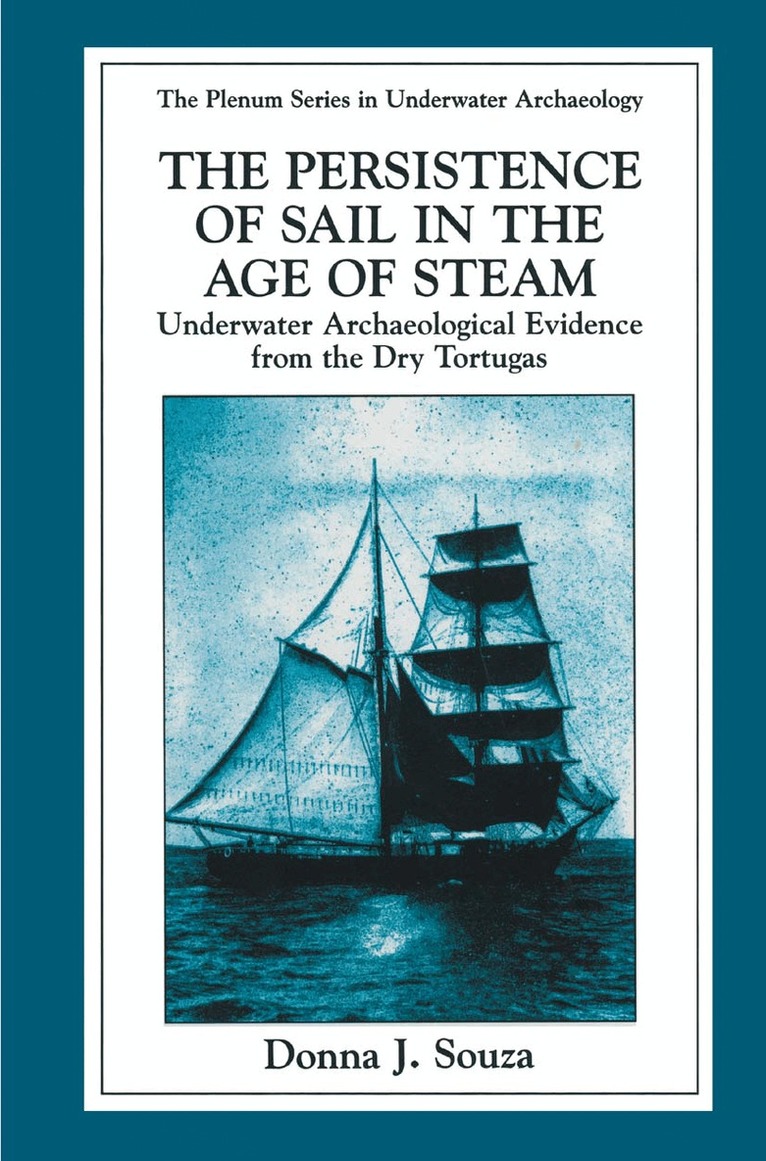
Persistence of Sail in the Age of Steam
1127 kr
Beställningsvara. Skickas inom 10-15 vardagar. Fri frakt över 249 kr.
Beskrivning
In Archaeology Under Water (1966: 19), pioneer nautical archaeologist George Bass pointed out how much easier it is to train someone who is already an archaeologist to become a diver than to take trained divers and teach them to do archaeology. While this is 'generally true, there have also been occasions when well-trained and enthusiastic sport-divers have been willing to accept the train ing and discipline necessary to conduct good archaeological science, becoming first-rate scholars in the process. Dr. Donna Souza's book is the product of just such a transition. It shows how a sport-diver and volunteer fieldworker can proceed through a rigorous graduate program to achieve research results that are convincing in their own right and point toward new directions in the discipline as a whole. What is new in this book for maritime archaeology? Perhaps the most obvious and important feature of Dr. Souza's archaeological and historical analysis of the wreck at Pulaski Reef and its contemporaries in the Dry Tortugas National Park, Florida, is the way it serves as a means to a larger end---namely an understanding of the social history of the transition from sail to steam in late nineteenth century maritime commerce in America. The relationship between changes in technology and culture is a classic theme in anthropology, and this study extends ~t theme into the domain of underwater archaeology.
Produktinformation
- Utgivningsdatum: 2013-06-06
- Mått: 155 x 235 x 12 mm
- Vikt: 324 g
- Format: Häftad
- Språk: Engelska
- Serie: Springer Series in Underwater Archaeology
- Antal sidor: 189
- Förlag: Springer-Verlag New York Inc.
- Medarbetare: Richard A. Gould
- ISBN: 9781489901415
Utforska kategorier
Betyg & recensioner
0 recensioner
Inga recensioner tillgängliga.