• Fri frakt över 249 kr
  • •
  • Snabba leveranser
  • •
  • Billiga böcker
Kundservice

Du är på sajten för privatpersoner.

Företag, bibliotek eller offentlig verksamhet?

Du handlar på classic.bokus.com, där alla dina funktioner finns intakta.
Till classic.bokus.com
Bokus logotyp. Gå till startsidan.
  • Erbjudanden
  • Nyheter
  • Student
  • Topplistor
  • Barn & ungdom
  • Bokus Play
  • E-böcker
  • Pocketböcker
  • Spel & pussel

Må bättre, för mindre! Upp till 50% rabatt på hälsoböcker

Sidfot

Mina sidor

    Hjälp

    • Kundservice
    • Vanliga frågor och svar
    • Frakt och leverans
    • Retur vid ångerrätt
    • Reklamera vara
    • Betalning
    • Köpvillkor
    • Allmänna villkor
    • Information om webbplatsens tillgänglighet

    Om Bokus

    • Om oss
    • Pressrum
    • För studenter
    • För företag
    • För bibliotek och offentlig verksamhet
    • För leverantörer
    • Hållbarhet

    Populärt

    • Aktuella erbjudanden
    • Presentkort
    • Studentlitteratur
    • Nya böcker
    • Topplistor
    • Signerade böcker
    • Engelska böcker

    Inspiration

    • Boktips
    • BookTok
    • Populära bokserier
    • Barnbokskaraktärer
    • Populära författare
    Logotyp för Bokus
    Följ oss på Facebook (extern länk)Följ oss på Instagram (extern länk)Följ oss på YouTube (extern länk)Följ oss på TikTok (extern länk)
    bokus @ CookiesAnpassa cookiesIntegritetspolicyKöpvillkor
    Till Citymail hemsida (extern länk)Till Budbee hemsida (extern länk)Till Postnord hemsida (extern länk)Till Schenker hemsida (extern länk)Till Early Bird hemsida (extern länk)Till Walleys hemsida (extern länk)
    1. Skönlitteratur
    2. Litteraturvetenskap
    3. Litteraturvetenskap

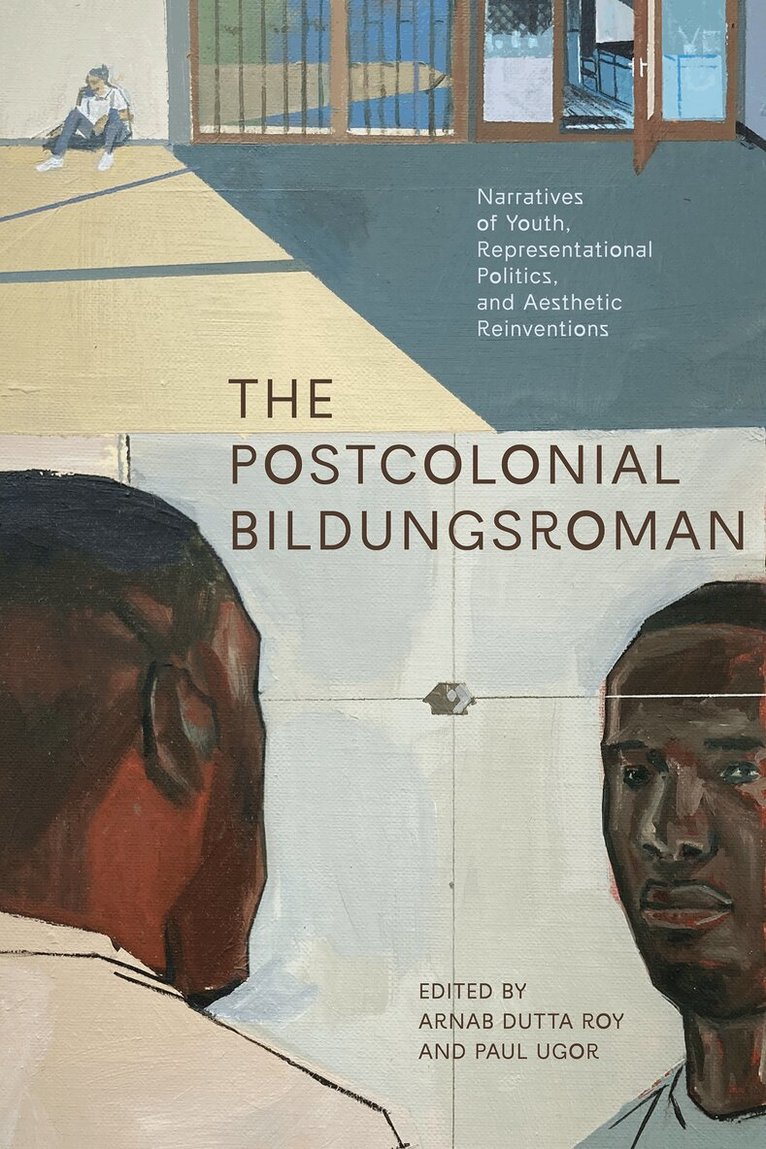
    Postcolonial Bildungsroman and the Character of Place

    AvArnab Dutta Roy,Paul Ugor

    Inbunden, Engelska, 2026

    Del i serien Frontiers of Narrative

    902 kr

    Beställningsvara. Skickas inom 10-15 vardagar. Fri frakt över 249 kr.

    Beskrivning

    In recent decades authors from across the world have adopted and adapted the bildungsroman literary genre to reflect on coming of age in postcolonial spaces and places. The Postcolonial Bildungsroman and the Character of Place emphasizes matters of space, place, and environment—concepts intrinsically linked to the bildungsroman’s processes of meaning-making and critique.From Latin America to South Asia to Africa, the contributors focus on three distinct but interrelated themes: ecology, cultural geography, and mediascapes. They consider aesthetic formations that address the themes of spatiality, youth, individual and collective experiences of social stagnation or growth, the unique challenges faced by certain global subjects on account of the places they inhabit, and whether or not futurity is guaranteed for them. This unique collection delves into myriad features of the postcolonial bildungsroman, enlarging our theoretical understanding of the genre as well as of media and literature in the postcolonial world.


    Produktinformation

    • Utgivningsdatum:2026-01-01
    • Mått:152 x 229 x 26 mm
    • Vikt:636 g
    • Format:Inbunden
    • Språk:Engelska
    • Serie:Frontiers of Narrative
    • Antal sidor:322
    • Förlag:University of Nebraska Press
    • ISBN:9781496242648

    Utforska kategorier

    • Litteraturvetenskap inom Skönlitteratur

    Mer om författaren

    Arnab Dutta Roy is an assistant professor of English at Florida Gulf Coast University. Paul Ugor is a professor of English at the University of Waterloo. He is the author of Nollywood: Popular Culture and Narratives of Youth Struggles in Nigeria. Simone Maria Puleo is an assistant professor of Italian at Central Connecticut State University.

    Recensioner i media

    "The Postcolonial Bildungsroman and the Character of Place is a vital addition to the field, proving that the genre has evolved far beyond the linear trajectory of European modernity."—Sevket Sarper Dörter, Global South Literary Studies“This collection masterfully redefines the postcolonial bildungsroman, intertwining the personal and collective struggles of individuals in spaces fraught with ecological degradation, social stagnation, and cultural upheaval. With great nuance, the contributors probe how youth identity, spatial politics, and ecological crises shape coming-of-age narratives, offering new perspectives on postcolonial studies. Essential reading for anyone interested in the intersections of space, culture, and power, this volume reimagines the possibilities of the bildungsroman in contemporary global contexts.”—Imre Szeman, director of the Institute for Environment, Conservation, and Sustainability at the University of Toronto Scarborough and coeditor of Power Shift: Keywords for a New Politics of Energy “Global in the scope of its content and the institutional locations of its contributors, this timely volume spotlights provocative and teachable chapters on the eco-bildung, spatial relations in coming-of-age narratives, and emergent postcolonial subjectivities. It effectively exploits the malleability of the genre to bring to light new screen media and literary texts and presents fresh analyses of well-known bildungsroman, such as Sara Sureli’s Meatless Days and the Apu trilogy of Satyajit Ray. Scholars and students will find The Postcolonial Bildungsroman and the Character of Place useful.”—Carmela Garritano, associate professor of international studies and Africana studies at Texas A&M University and author of African Energy Worlds in Film and Media

    Innehållsförteckning

    • AcknowledgmentsIntroduction: The Postcolonial Bildungsroman and the Character of PlaceSimone Maria Puleo, Paul Ugor, and Arnab Dutta RoyPart 1. Ecology and the Postcolonial Bildungsroman1. From the novela de formaciÓn to the Eco-Bildungsroman: Nature, Colonialism, and Extractive Capitalism in the Colombian NovelFrancesco Di Bernardo2. The Environmental Bildungsroman: Metabolic Rift and Underdevelopment in Jan Carew’s Black MidasGayathri Goel3. The House That Disfigured the Land: Ecological Decline and the Postcolonial Bildungsroman in Mexican GothicColleen TrippPart 2. Cultural Geography of the Postcolonial Bildungsroman4. Speaking from the Ecotone: Approaching Decolonial Masculinities in Aristotle and Dante Discover the Secrets of the Universe by Benjamin Alire SÁenzJoshua D. Martin5. Recontouring the Motherland through Female Sexualities: The Bildungsroman and Postcolonial Selfhoods in IndiaOindri Roy6. Queer Immigrant Bildungsroman: Trung Le Nguyen’s The Magic FishLan Dong and Tena L. Helton7. From India’s Northeast: Conflict, Crisis, and the Elusive Self in Malsawmi Jacob’s Zorami: A Redemption SongDharmendra K. Baruah8. Reconstructing Women’s Identity in Pakistan: Transgenerational Testimony and the Introspective SelfAna AshrafPart 3. Mediascape and the Postcolonial Bildungsroman9. Luminous Possibilities: Bildung, Bonheur, and Sissako’s HeremakonoJeffrey R. Di Leo10. Entangled Subjectivities: Activist Sovereignty Claims, Critical Media Literacies, and Legacies of the Postcolonial BildungsromanMarie Lovrod11. The Personal Aesthetic and the Communitarian Ethic: Satyajit Ray’s Apur Sansar and the Postcolonial BildungsromanThomas Layman12. A Fan of Doom Metal, a Descendant of French Kings: Postcoloniality in Doom 94 by Jānis JoņevsKārlis VērdiņŠ13. Coming of Age in a Hustler Economy: E-fraud Narratives and the Postcolonial African BildungsromanDaniel ChukwuemekaContributorsIndex