• Fri frakt över 249 kr
  • •
  • Snabba leveranser
  • •
  • Billiga böcker
Kundservice

Du är på sajten för privatpersoner.

Företag, bibliotek eller offentlig verksamhet?

Du handlar på classic.bokus.com, där alla dina funktioner finns intakta.
Till classic.bokus.com
Bokus logotyp. Gå till startsidan.
  • Erbjudanden
  • Student
  • Topplistor
  • Barn & ungdom
  • Bokus Play
  • E-böcker
  • Ljudböcker
  • Pocketböcker
  • Spel & pussel

Upp till 25% på utvalda nyheter →

Sidfot

Mina sidor

    Hjälp

    • Kundservice
    • Vanliga frågor och svar
    • Frakt och leverans
    • Retur vid ångerrätt
    • Reklamera vara
    • Betalning
    • Köpvillkor
    • Allmänna villkor
    • Information om webbplatsens tillgänglighet

    Om Bokus

    • Om oss
    • Pressrum
    • För studenter
    • För företag
    • För bibliotek och offentlig verksamhet
    • För leverantörer
    • Hållbarhet

    Populärt

    • Aktuella erbjudanden
    • Presentkort
    • Studentlitteratur
    • Nya böcker
    • Topplistor
    • Signerade böcker
    • Engelska böcker

    Inspiration

    • Boktips
    • BookTok
    • Populära bokserier
    • Barnbokskaraktärer
    • Populära författare
    Logotyp för Bokus
    Följ oss på Facebook (extern länk)Följ oss på Instagram (extern länk)Följ oss på YouTube (extern länk)Följ oss på TikTok (extern länk)
    bokus @ CookiesAnpassa cookiesIntegritetspolicyKöpvillkor
    Till Citymail hemsida (extern länk)Till Budbee hemsida (extern länk)Till Postnord hemsida (extern länk)Till Schenker hemsida (extern länk)Till Early Bird hemsida (extern länk)Till Walleys hemsida (extern länk)
    1. Filosofi och religion
    2. Filosofi
    3. Filosofiska discipliner

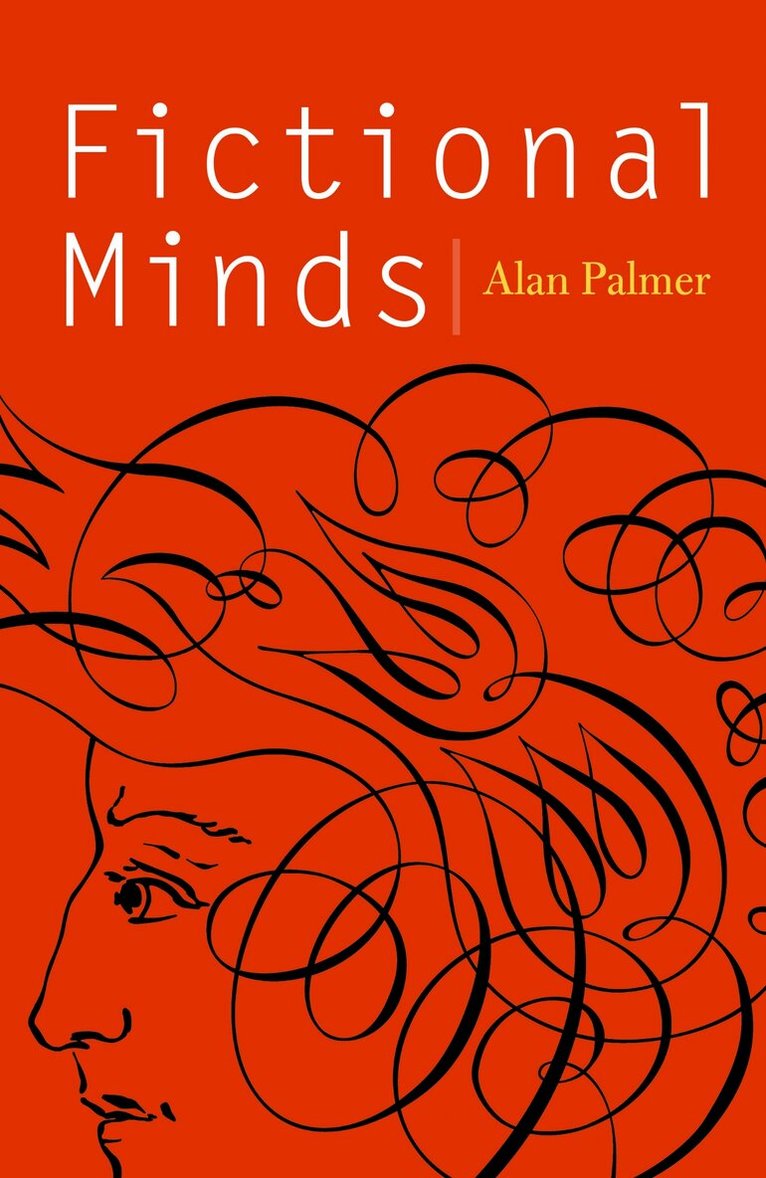
    Fictional Minds

    AvAlan Palmer

    Häftad, Engelska, 2008

    Del i serien Frontiers of Narrative

    311 kr

    Beställningsvara. Skickas inom 10-15 vardagar. Fri frakt över 249 kr.

    Beskrivning

    Fictional Minds suggests that readers understand novels primarily by following the functioning of the minds of characters in the novel storyworlds. Despite the importance of this aspect of the reading process, traditional narrative theory does not include a complete and coherent theory of fictional minds. Readers create a continuing consciousness out of scattered references to a particular character and read this consciousness as an "embedded narrative" within the whole narrative of the novel. The combination of these embedded narratives forms the plot. This perspective on narrative enables us to explore hitherto neglected aspects of fictional minds such as dispositions, emotions, and action. It also highlights the social, public, and dialogic mind and the "mind beyond the skin." For example, much of our thought is "intermental," or joint, group, or shared; even our identity is, to an extent, socially distributed.Written in a clear and accessible style, Fictional Minds analyzes constructions of characters' minds in the fictional texts of a wide range of authors, from Aphra Behn and Henry Fielding to Evelyn Waugh and Thomas Pynchon. In its innovative and groundbreaking explorations, this interdisciplinary project also makes substantial use of "real-mind" disciplines such as philosophy, psychology, psycholinguistics, and cognitive science.

    Produktinformation

    • Utgivningsdatum:2008-05-01
    • Mått:152 x 229 x 17 mm
    • Vikt:427 g
    • Format:Häftad
    • Språk:Engelska
    • Serie:Frontiers of Narrative
    • Antal sidor:276
    • Förlag:University of Nebraska Press
    • ISBN:9780803218352

    Utforska kategorier

    • Filosofiska discipliner inom Filosofi och religion
    • Kognitiv psykologi inom Psykologi och pedagogik
    • Litteraturteori inom Skönlitteratur

    Mer om författaren

    Alan Palmer is an independent scholar living in London, England. He has a PhD from the University of East London.

    Recensioner i media

    "Palmer's book develops a radically new and powerfully integrative approach to the minds presented in fictional texts. Fictional Minds promises to be a pathbreaking book that will have a major impact on several fields of study."-David Herman, author of Story Logic: Problems and Possibilities of Narrative -- David Herman "Though critics and cognitive scientists may define reading differently, the two disciplines can be of use to one another-as Fictional Minds by Alan Palmer clearly demonstrates"-Times Literary Supplement Times Literary Supplement