Häftad, Engelska, 2019
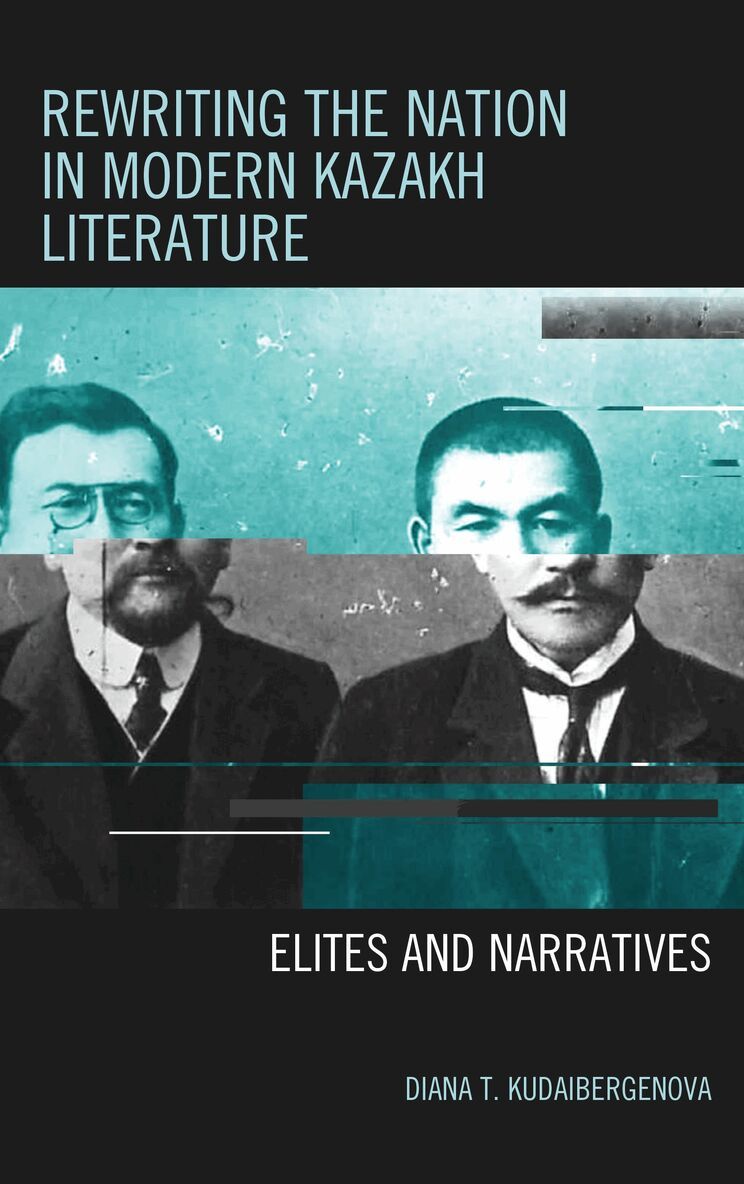
Rewriting the Nation in Modern Kazakh Literature
Elites and Narratives
Av Diana T. Kudaibergenova
Del i serien Contemporary Central Asia: Societies, Politics, and Cultures
655 kr
Beställningsvara. Skickas inom 10-15 vardagar. Fri frakt över 249 kr.
Beskrivning
*Shortlisted for the 2018 Book Award in Social Sciences of the Central Eurasian Studies Society*Rewriting the Nation in Modern Kazakh Literature is a book about cultural transformations and trajectories of national imagination in modern Kazakhstan. The book is a much-needed critical introduction and a comprehensive survey of the Kazakh literary production and cultural discourses on the nation in the twentieth and twenty first centuries. In the absence of viable and open forums for discussion and in the turbulent moments of postcolonial and cultural transformation under the Soviets, the Kazakh writers and intellectuals widely engaged with the national identity, heritage and genealogy construction in literature. This active process of national canon construction and its constant re-writing throughout the twentieth century will inform the readers of the complex processes of cultural transformations in forms, genres and texts as well as demonstrating the genealogical development of the national narrative. The main focus of this book is on the cultural production of the nation. The focus is on the narratives of historical continuities produced in the literature and cultural discontinuities and inter-elite competition which inform such production. The development of Kazakh literary production is an extremely interesting yet underrepresented field of study. Since the late nineteenth century it saw a rapid transformation from the traditional oral to print literature. This brought an unprecedented shift in genres and texts production as well as a rapid growth of the ‘writing’ class – urban colonial and first generations of Soviet intelligentsia. Kazakh literary production became the flagman of republic’s rapid cultural modernization and prior to the World War II local publishing industry produced up to 6 million print copies a year. By the 1960s and 1970s – the golden era of Kazakh literature, the most read literary journal Juldyz sold 50,000 copies all over the country. Literature became the mass provider of knowledge about the past, the present and of the future of the country. Because “Kazakh readers were hungry to find out about their pre-Soviet past and its national glory” national writers competed in genres, styles and ways to write out the nation in prose, poems, essays and historical novels.
Produktinformation
Utforska kategorier
Mer om författaren
Diana T. Kudaibergenova is research fellow in the Centre of Development Studies at the University of Cambridge and postdoctoral fellow in the Department of Sociology of Law at Lund University.
Recensioner i media
. . . this ambitious interdisciplinary study, which also has the virtues of being methodologically rigorous and ideologically unbiased, enriches the debate on the Kazakh nation with an argument strongly grounded in the interpretation of texts. Kudaibergenova’s book represents a clear and concise work that contributes to debates on nation-building in the post-Soviet context and discussions on Soviet totalitarianism, imperialism and postcolonialism. In this regard, it prepares the field for further research on the other republics of the former Soviet Union or other postcolonial contexts.
Betyg & recensioner
0 recensioner
Inga recensioner tillgängliga.