• Fri frakt över 249 kr
  • •
  • Snabba leveranser
  • •
  • Billiga böcker
Kundservice

Du är på sajten för privatpersoner.

Företag, bibliotek eller offentlig verksamhet?

Du handlar på classic.bokus.com, där alla dina funktioner finns intakta.
Till classic.bokus.com
Bokus logotyp. Gå till startsidan.
  • Erbjudanden
  • Nyheter
  • Student
  • Topplistor
  • Barn & ungdom
  • Bokus Play
  • E-böcker
  • Pocketböcker
  • Spel & pussel

10% rabatt på allt med kod NYSTART10 →

Sidfot

Mina sidor

    Hjälp

    • Kundservice
    • Vanliga frågor och svar
    • Frakt och leverans
    • Retur vid ångerrätt
    • Reklamera vara
    • Betalning
    • Köpvillkor
    • Allmänna villkor
    • Information om webbplatsens tillgänglighet

    Om Bokus

    • Om oss
    • Pressrum
    • För studenter
    • För företag
    • För bibliotek och offentlig verksamhet
    • För leverantörer
    • Hållbarhet

    Populärt

    • Aktuella erbjudanden
    • Presentkort
    • Studentlitteratur
    • Nya böcker
    • Topplistor
    • Signerade böcker
    • Engelska böcker

    Inspiration

    • Boktips
    • BookTok
    • Populära bokserier
    • Barnbokskaraktärer
    • Populära författare
    Logotyp för Bokus
    Följ oss på Facebook (extern länk)Följ oss på Instagram (extern länk)Följ oss på YouTube (extern länk)Följ oss på TikTok (extern länk)
    bokus @ CookiesAnpassa cookiesIntegritetspolicyKöpvillkor
    Till Citymail hemsida (extern länk)Till Budbee hemsida (extern länk)Till Postnord hemsida (extern länk)Till Schenker hemsida (extern länk)Till Early Bird hemsida (extern länk)Till Walleys hemsida (extern länk)
    1. Historia och arkeologi
    2. Historia
    3. Europas historia

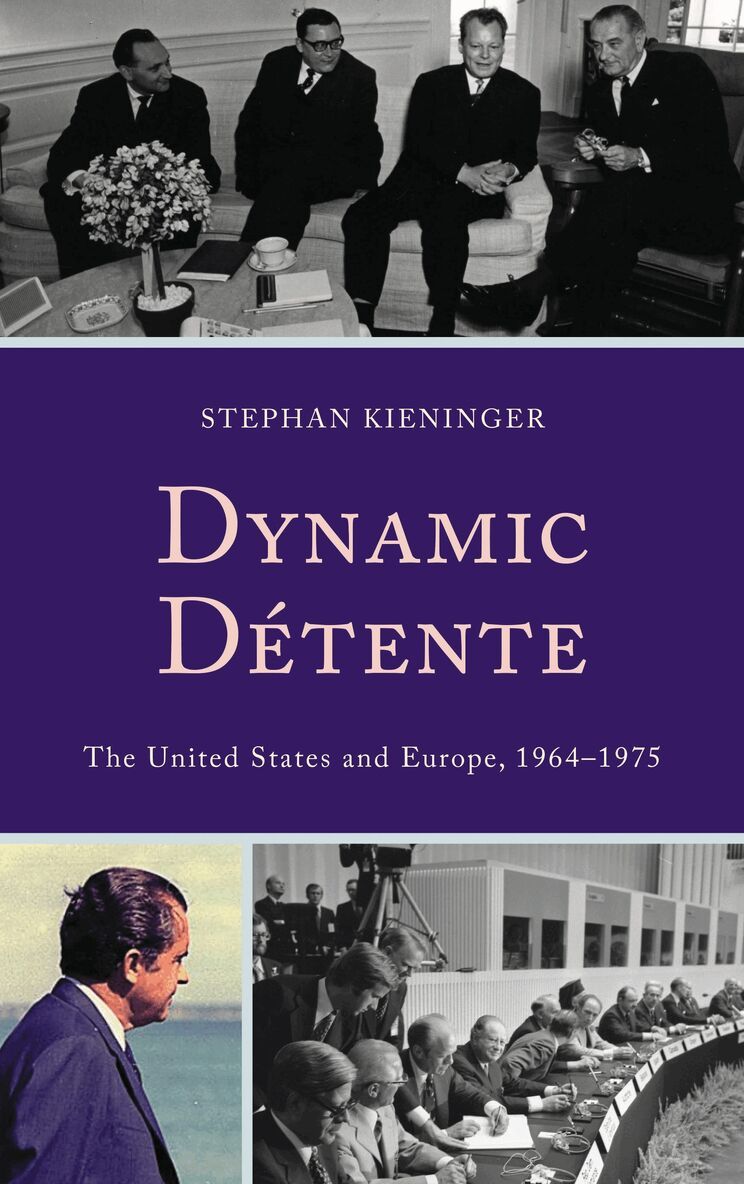
    Dynamic Détente

    The United States and Europe, 1964–1975

    AvStephan Kieninger

    Häftad, Engelska, 2018

    Del i serien Harvard Cold War Studies Book Series

    722 kr

    Beställningsvara. Skickas inom 10-15 vardagar. Fri frakt över 249 kr.

    Beskrivning

    This book examines the dynamic evolution of Western détente policies which sought to transform Europe and overcome its Cold War division through more communication and engagement. Kieninger challenges the traditional Cold War narrative that détente prolonged the division of Europe and precipitated America’s decline in the aftermath of the Vietnam War. Rather, he argues that policymakers in the U.S. Department of State and in Western Europe envisaged the stability enabled by détente as a precondition for change, as Communist regimes saw a sense of security as a prerequisite for opening up their societies to Western influence over time. Kieninger identifies the Helsinki Accords, Lyndon Johnson’s bridge building, and Willy Brandt’s Ostpolitik as efforts aimed at constructive changes in Eastern Europe through a multiplication of contacts, communication, and cooperation on all societal levels. This study also illuminates the longevity of America’s policy of peaceful change against the background of the nuclear stalemate and the military status quo.

    Produktinformation

    • Utgivningsdatum:2018-05-09
    • Mått:153 x 223 x 29 mm
    • Vikt:581 g
    • Format:Häftad
    • Språk:Engelska
    • Serie:Harvard Cold War Studies Book Series
    • Antal sidor:388
    • Förlag:Bloomsbury Publishing Plc
    • ISBN:9781498532433

    Utforska kategorier

    • Europas historia inom Historia och arkeologi
    • Amerikas historia inom Historia och arkeologi
    • Internationella relationer inom Samhälle och politik

    Mer om författaren

    Stephan Kieninger is a historian at the Federal German Archives.

    Recensioner i media

    Kieninger’s account is persuasively argued and deeply researched.... Dynamic Détente is rooted in impressive archival and primary-source research in American state files and personal papers and a handful of German and North Atlantic Treaty Organization records.... [A] fine contribution to a growing body of work on U.S.-European relations and U.S. policy making that highlights the origins, complexities, and contradictions of détente

    Innehållsförteckning

    • Introduction: The United States and the Power of Dynamic Détente PoliciesPart I: The Evolution of America’s Transformation Strategy, 1947–1968Chapter 1: The Origins of America’s Transformation Approach in the Cold War, 1947–1963Chapter 2: “Thawing the Cold War”: Lyndon Johnson, Bridge Building, and the Search for Détente, 1964–1966Chapter 3: Peaceful Engagement and Plans for Europe’s Transformation, 1966–1968Part II: Setbacks and Survival: The Longevity of America’s Transformation Policy during the Nixon and Ford Years, 1969–1976Chapter 4: Power Politics: Richard Nixon’s and Henry Kissinger’s Concept for DétenteChapter 5: SALT: “Diverting the Arms Race into the Permitted Channels,” 1969–1976Chapter 6: “Do you want it done or do you want to have it talked about?”: NATO’s Policy on MBFR, 1970–1975Chapter 7: Ostpolitik and the Idea for a European Security Conference: Catalysts for the Continuation of the Transformation Policy, 1969–1972Chapter 8: Transformation or Status Quo?: CSCE, MBFR