• Fri frakt över 249 kr
  • •
  • Snabba leveranser
  • •
  • Billiga böcker
Kundservice

Du är på sajten för privatpersoner.

Företag, bibliotek eller offentlig verksamhet?

Du handlar på classic.bokus.com, där alla dina funktioner finns intakta.
Till classic.bokus.com
Bokus logotyp. Gå till startsidan.
  • Erbjudanden
  • Nyheter
  • Student
  • Topplistor
  • Barn & ungdom
  • Bokus Play
  • E-böcker
  • Pocketböcker
  • Spel & pussel

10% rabatt på allt med kod: NYSTART10 →

Sidfot

Mina sidor

    Hjälp

    • Kundservice
    • Vanliga frågor och svar
    • Frakt och leverans
    • Retur vid ångerrätt
    • Reklamera vara
    • Betalning
    • Köpvillkor
    • Allmänna villkor
    • Information om webbplatsens tillgänglighet

    Om Bokus

    • Om oss
    • Pressrum
    • För studenter
    • För företag
    • För bibliotek och offentlig verksamhet
    • För leverantörer
    • Hållbarhet

    Populärt

    • Aktuella erbjudanden
    • Presentkort
    • Studentlitteratur
    • Nya böcker
    • Topplistor
    • Signerade böcker
    • Engelska böcker

    Inspiration

    • Boktips
    • BookTok
    • Populära bokserier
    • Barnbokskaraktärer
    • Populära författare
    Logotyp för Bokus
    Följ oss på Facebook (extern länk)Följ oss på Instagram (extern länk)Följ oss på YouTube (extern länk)Följ oss på TikTok (extern länk)
    bokus @ CookiesAnpassa cookiesIntegritetspolicyKöpvillkor
    Till Citymail hemsida (extern länk)Till Budbee hemsida (extern länk)Till Postnord hemsida (extern länk)Till Schenker hemsida (extern länk)Till Early Bird hemsida (extern länk)Till Walleys hemsida (extern länk)
    1. Psykologi och pedagogik
    2. Psykologi

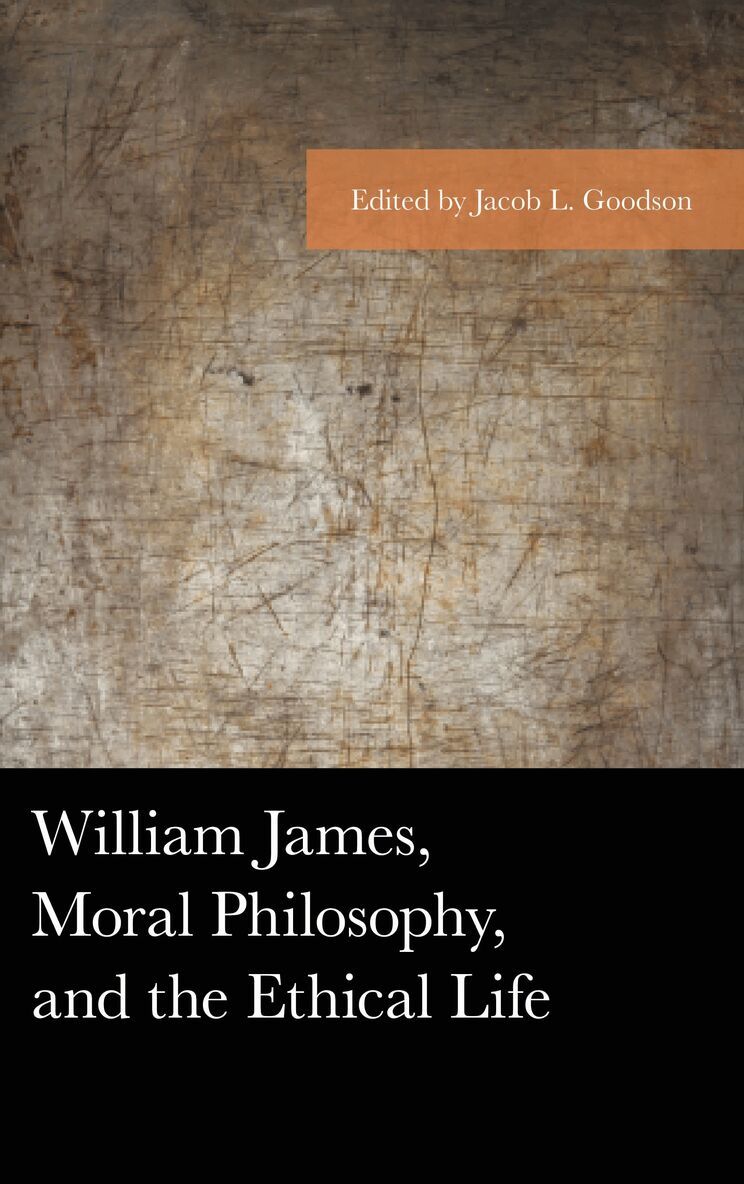
    William James, Moral Philosophy, and the Ethical Life

    AvJacob L. Goodson

    Häftad, Engelska, 2019

    Del i serien American Philosophy Series

    701 kr

    Beställningsvara. Skickas inom 10-15 vardagar. Fri frakt över 249 kr.

    Beskrivning

    Virtue theory, natural law, deontology, utilitarianism, existentialism: these are the basic moral theories taught in “Ethics,” “History of Philosophy,” and “Introduction to Philosophy” courses throughout the United States. When the American philosopher William James (1842 – 1910) find his way into these conversations, there is uncertainty about where his thinking fits. While utilitarianism has become the default position for teaching James’s pragmatism and radical empiricism, this default position fails to address and explain James’s multiple criticisms of John Stuart Mill’s formulaic approach to questions concerning the moral life. Through close readings of James’s writings, the chapters in William James, Moral Philosophy, and the Ethical Life catalogue the ways in whichJames wants to avoid the following: (a) the hierarchies of Christian natural law theory, (b) the moral calculus of Mill’s utilitarianism, (c) the absolutism and principle-ism of Immanuel Kant’s deontology, and (d) the staticity of the virtues found in Aristotle’s moral theory. Elaborating upon and clarifying James’s differences from these dominant moral theories is a crucial feature of this collection. This collection, is not, however, intended to be wholly negative – that is, only describing to readers what James’s moral theory is not. It seeks to articulate the positive features of James’s ethics and moral reasoning: what does it mean to an ethical life, and how should we theorize about morality?

    Produktinformation

    • Utgivningsdatum:2019-10-29
    • Mått:152 x 224 x 31 mm
    • Vikt:644 g
    • Format:Häftad
    • Språk:Engelska
    • Serie:American Philosophy Series
    • Antal sidor:430
    • Förlag:Bloomsbury Publishing Plc
    • ISBN:9781498571081

    Utforska kategorier

    • Psykologi inom Psykologi och pedagogik
    • Amerikas historia inom Historia och arkeologi
    • Filosofiska discipliner inom Filosofi och religion

    Mer om författaren

    Jacob L. Goodson is assistant professor of philosophy at Southwestern College.

    Recensioner i media

    William James (1842–1910) is best known for his groundbreaking work in the study of consciousness, psychology of emotions, and philosophy of religion and for the development of the philosophy of pragmatism. His moral philosophy and beliefs about the ethical life have received far less attention and are more difficult to categorize. Was James a Stoic? a utilitarian? a deontologist? an existentialist? a virtue ethicist? Distinguishing between early James and late James, this collection provides an illuminating and welcome map of where things stand in James’s moral and ethical thought as they relate to the history of moral and ethical philosophy. Goodson (Southwestern College) organizes the essays in roughly chronological order according to James's writings. This allows readers to see the evolution and development of James’s ideas in moral and ethical philosophy over the course of his life. This volume is required reading for anyone interested in exploring the distinctive contributions James made to moral and ethical thought.Summing Up: Recommended. Lower-division undergraduates through faculty; general readers.

    Innehållsförteckning

    • AcknowledgmentsIntroductionPart I. Moral Interpretations of The Principles of Psychology 1. Guy Axtell, “Emotions and Morals in The Principles of Psychology”2. Gregory Eiselein, “Ethics and Emotion in William James’s The Principles of Psychology”3. Jacob L. Goodson, “Love and Sex in William James’s Principles of Psychology”Part II. James’s Early Writings on Moral Philosophy4. Amy Kittelstrom, “Blindnesses in James’s Day—and Beyond”5. D. Micah Hester & Joseph D. John, “To See or Not to See?”—That Is the Question: James’s “On a Certain Blindness in Human Beings”6. Jacob L. Goodson, “Horny Hands and Dirty Skin: Courage, Humility, Patience, and Tolerance in William James’s Ethics”Part III. Moral Interpretations of James’s “Popular Essays”7. Roger Ward, “The Cries of the Wounded: Transformative Moral Interpretation in James, Royce, and Peirce”8. John R. Shook, “The Moral Life as the Basis for Moral Philosophy”9. Neal A. Tognazzini, “Regretting the Impossible”Part IV. The Morality and Im