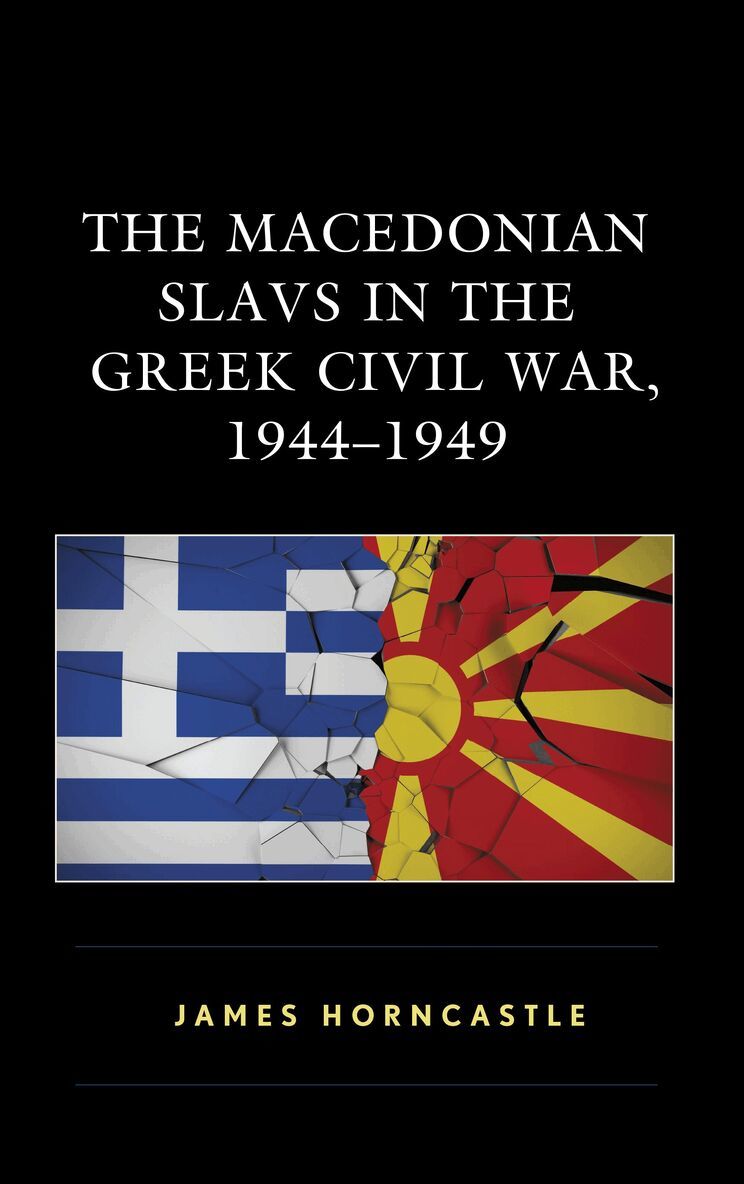
Inbunden, Engelska, 2019
Macedonian Slavs in the Greek Civil War, 1944–1949
1312 kr
Beställningsvara. Skickas inom 10-15 vardagar. Fri frakt över 249 kr.
Beskrivning
Produktinformation
- Utgivningsdatum: 2019-06-03
- Mått: 158 x 230 x 26 mm
- Vikt: 581 g
- Format: Inbunden
- Språk: Engelska
- Antal sidor: 266
- Förlag: Bloomsbury Publishing Plc
- ISBN: 9781498585040
Utforska kategorier
Mer om författaren
James Horncastle is lecturer at Simon Fraser University.
Recensioner i media
Balkan history has been a laboratory for cottage industries of scholarly work on geopolitics, empire, ethnic conflict, and civil war. Dr. Horncastle’s book stands apart from this division of labor. His argument is a vibrant interjection into a rather stale collection of approaches that focus on specific elements of Balkan politics and war. The book deftly weaves together geopolitics, power-laden attempts at nation-building, and cultural considerations into a study of war that construes its subject as not simply determined by one level of analysis, but instead as a complex outcome of processes that crosscut them. It’s an important book for scholars of international relations and new military history alike, specifically because it is so well suited to starting a conversation across the divide that now marks them.
Betyg & recensioner
0 recensioner
Inga recensioner tillgängliga.