• Fri frakt över 249 kr
  • •
  • Snabba leveranser
  • •
  • Billiga böcker
Kundservice

Du är på sajten för privatpersoner.

Företag, bibliotek eller offentlig verksamhet?

Du handlar på classic.bokus.com, där alla dina funktioner finns intakta.
Till classic.bokus.com
Bokus logotyp. Gå till startsidan.
  • Erbjudanden
  • Nyheter
  • Student
  • Topplistor
  • Barn & ungdom
  • Bokus Play
  • E-böcker
  • Pocketböcker
  • Spel & pussel

10% rabatt på allt med kod NYSTART10 →

Sidfot

Mina sidor

    Hjälp

    • Kundservice
    • Vanliga frågor och svar
    • Frakt och leverans
    • Retur vid ångerrätt
    • Reklamera vara
    • Betalning
    • Köpvillkor
    • Allmänna villkor
    • Information om webbplatsens tillgänglighet

    Om Bokus

    • Om oss
    • Pressrum
    • För studenter
    • För företag
    • För bibliotek och offentlig verksamhet
    • För leverantörer
    • Hållbarhet

    Populärt

    • Aktuella erbjudanden
    • Presentkort
    • Studentlitteratur
    • Nya böcker
    • Topplistor
    • Signerade böcker
    • Engelska böcker

    Inspiration

    • Boktips
    • BookTok
    • Populära bokserier
    • Barnbokskaraktärer
    • Populära författare
    Logotyp för Bokus
    Följ oss på Facebook (extern länk)Följ oss på Instagram (extern länk)Följ oss på YouTube (extern länk)Följ oss på TikTok (extern länk)
    bokus @ CookiesAnpassa cookiesIntegritetspolicyKöpvillkor
    Till Citymail hemsida (extern länk)Till Budbee hemsida (extern länk)Till Postnord hemsida (extern länk)Till Schenker hemsida (extern länk)Till Early Bird hemsida (extern länk)Till Walleys hemsida (extern länk)
    1. Skönlitteratur
    2. Litteraturvetenskap

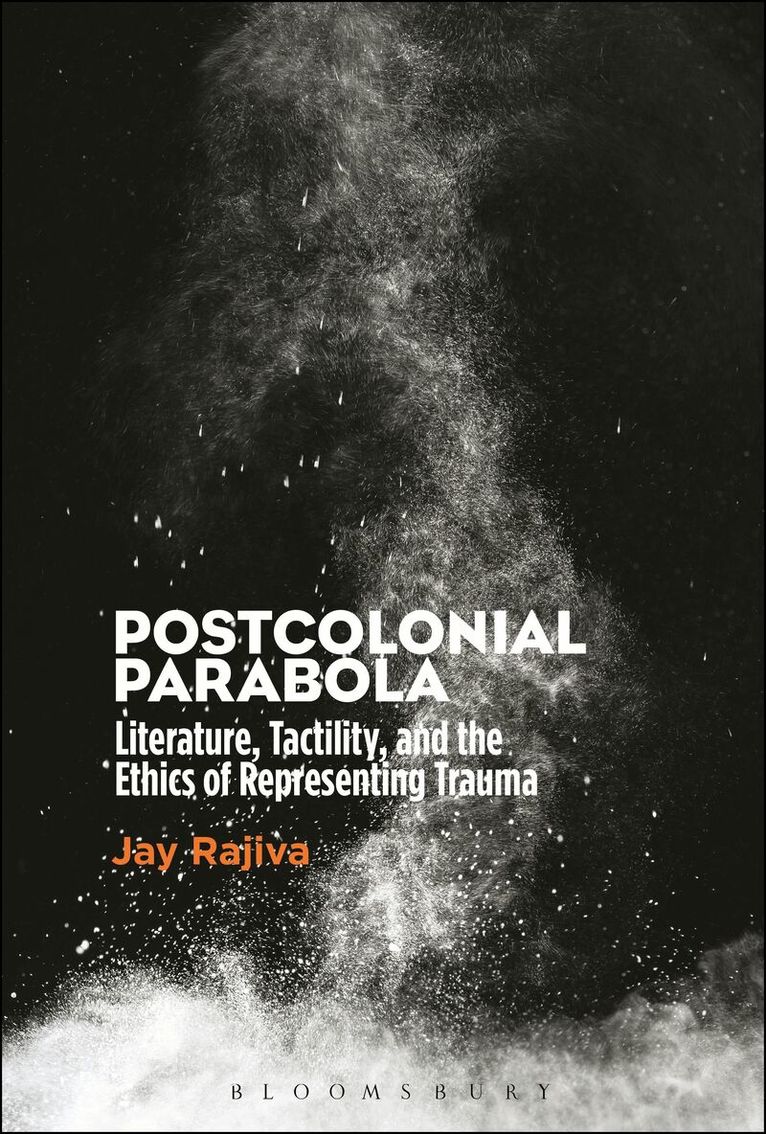
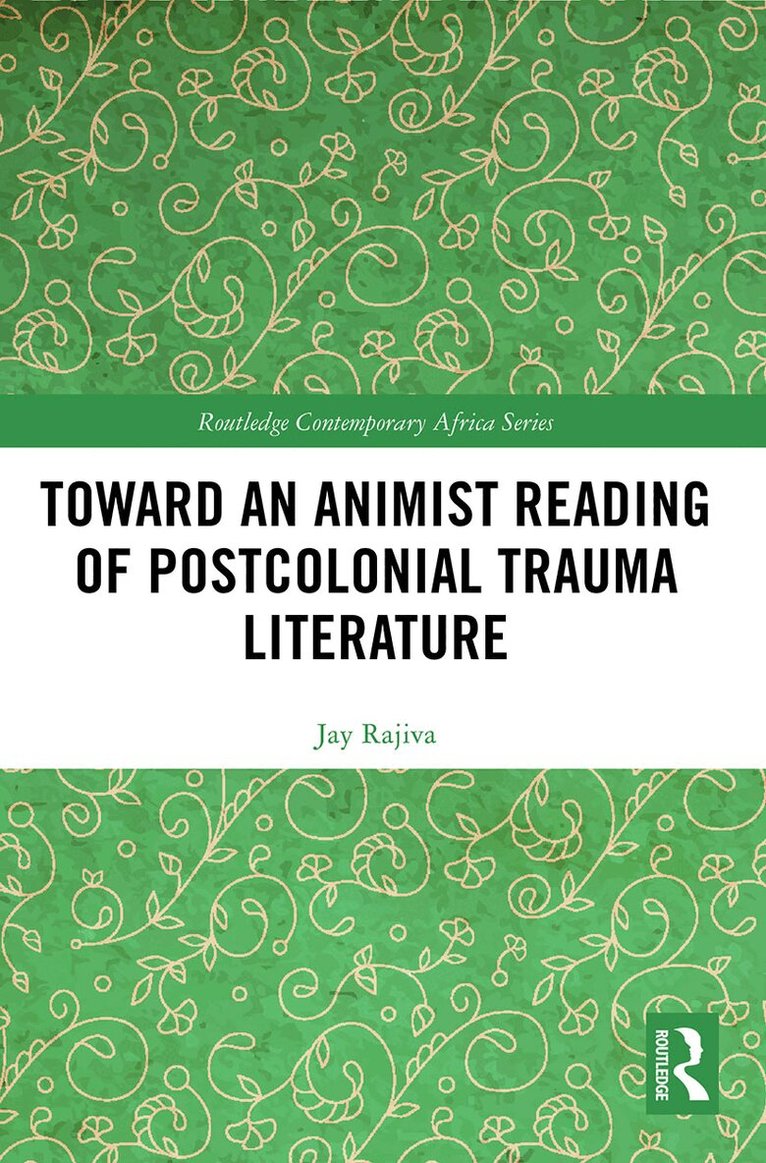
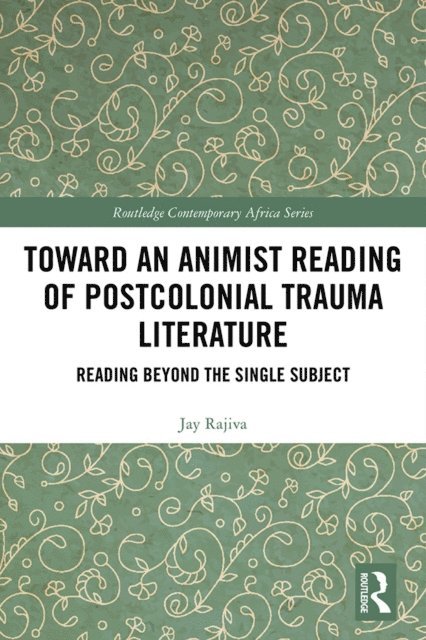
    Postcolonial Parabola

    Literature, Tactility, and the Ethics of Representing Trauma

    AvJay Rajiva

    E-bok
    Engelska, 2017

    608 kr

    Läs direkt i Bokus Reader – eller ladda ned till din enhet

    Fler format och utgåvor

    Inbunden

    1 925 kr

    E-bok

    608 kr

    Häftad

    567 kr

    Beskrivning

    Postcolonial Parabola: Literature, Tactility, and the Ethics of Representing Trauma interrogates the relationship between the literary representation of postcolonial trauma and the embodied experience of reading. As the conditions from which postcolonial literatures have emerged require a break from “proper” ways to represent trauma, postcolonial writers expand and complicate the practice of reading itself.Though postcolonial literature's capacity to represent trauma has received considerable scrutiny in recent years, Postcolonial Parabola is innovative in its consideration of the postcolonial text as a literary object. Working within a phenomenological framework that ties together disparate postcolonial periods, Jay Rajiva explores how narrative structure shapes the experience of reading the postcolonial literatures of South Africa, India, and Sri Lanka. He argues that these texts enmesh the reader in an asymptotic tactility: though readers might approach the disclosure of trauma, they cannot arrive at it. Awareness of the asymptotic nature of reading such works is crucial to a meaningful, ethical engagement with literary representations of postcolonial trauma.
    Produktinformation

    • Utgivningsdatum:2017-09-21
    • Språk:Engelska
    • Antal sidor:208
    • Filformat:EPUB
    • Kopieringsskydd:LCP
    • ISBN:9781501325359
    • Förlag:Bloomsbury Publishing PLC (Digital)

    Utforska kategorier

    • Litteraturvetenskap inom Skönlitteratur
    • Litteraturteori inom Skönlitteratur

    Mer om författaren

    Jay Rajiva is Assistant Professor of Global Anglophone Literature at Georgia State University, USA.

    Recensioner i media

    This is an intriguing and conceptually ambitious work.

    Innehållsförteckning

    • AcknowledgmentsIntroduction: Postcolonial Comparison1. Excess and Tactility: Toward Interpretation as Vexed Contact2. Transfixion and Subversion: The Unexpected Endings of J. Devi and Coetzee3. Seduction and Substitution: Behr, Sidhwa, and the Child Narrator4. Motion and Stillness: Surface as Depth in Dangor and OndaatjeConclusion: Postcolonial RelationReferencesNotesIndex