• Fri frakt över 249 kr
  • •
  • Snabba leveranser
  • •
  • Billiga böcker
Kundservice

Du är på sajten för privatpersoner.

Företag, bibliotek eller offentlig verksamhet?

Du handlar på classic.bokus.com, där alla dina funktioner finns intakta.
Till classic.bokus.com
Bokus logotyp. Gå till startsidan.
  • Erbjudanden
  • Student
  • Topplistor
  • Barn & ungdom
  • Bokus Play
  • E-böcker
  • Ljudböcker
  • Pocketböcker
  • Spel och pussel

Pocketfynda! Hundratals böcker för 49 kr/st →

Sidfot

Mina sidor

    Hjälp

    • Kundservice
    • Vanliga frågor och svar
    • Frakt och leverans
    • Retur vid ångerrätt
    • Reklamera vara
    • Betalning
    • Köpvillkor
    • Allmänna villkor
    • Information om webbplatsens tillgänglighet

    Om Bokus

    • Om oss
    • Pressrum
    • För studenter
    • För företag
    • För bibliotek och offentlig verksamhet
    • För leverantörer
    • Hållbarhet

    Populärt

    • Aktuella erbjudanden
    • Presentkort
    • Studentlitteratur
    • Nya böcker
    • Topplistor
    • Signerade böcker
    • Engelska böcker

    Inspiration

    • Boktips
    • BookTok
    • Barnbokskaraktärer
    • Populära författare
    Logotyp för Bokus
    Följ oss på Facebook (extern länk)Följ oss på Instagram (extern länk)Följ oss på YouTube (extern länk)Följ oss på TikTok (extern länk)
    bokus @ CookiesAnpassa cookiesIntegritetspolicyKöpvillkor
    Till Citymail hemsida (extern länk)Till Budbee hemsida (extern länk)Till Postnord hemsida (extern länk)Till Schenker hemsida (extern länk)Till Early Bird hemsida (extern länk)Till Walleys hemsida (extern länk)
    1. Ekonomi och Ledarskap
    2. Nationalekonomi
    3. Internationell ekonomi

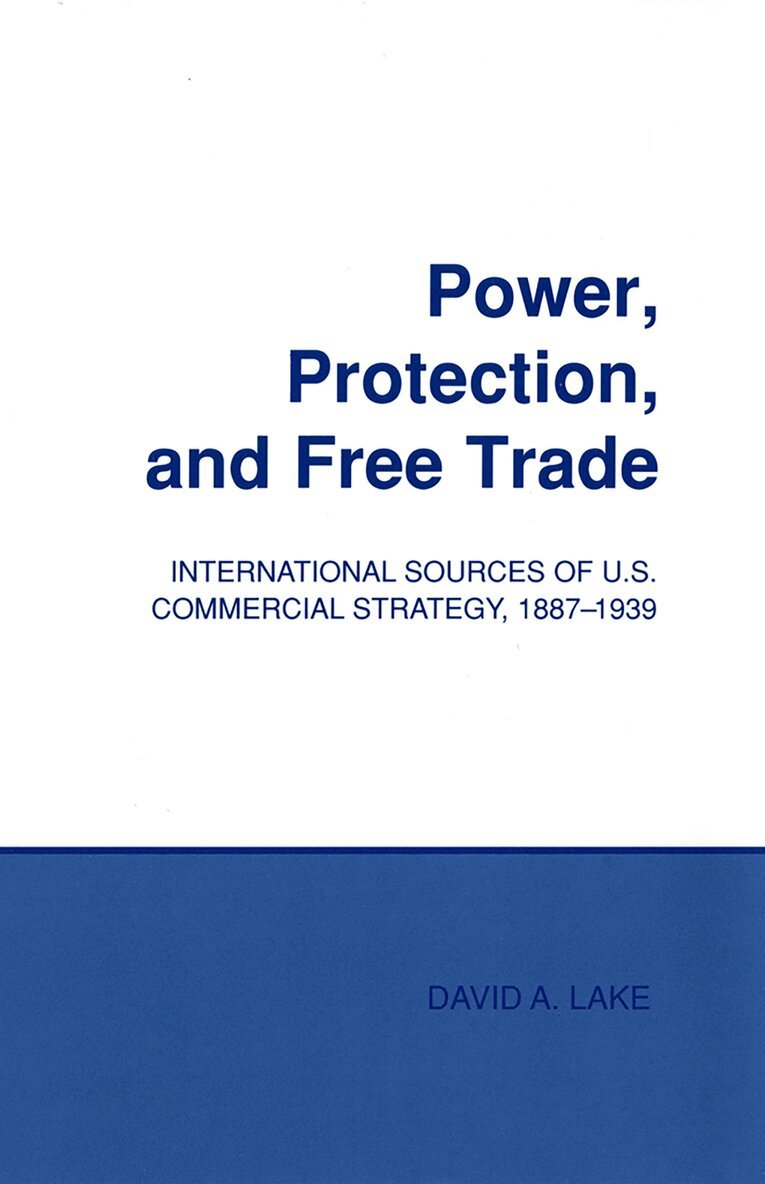
    Power, Protection, and Free Trade

    International Sources of U.S. Commercial Strategy, 1887–1939

    AvDavid A. Lake

    Häftad, Engelska, 2018

    Del i serien Cornell Studies in Political Economy

    269 kr

    Beställningsvara. Skickas inom 10-15 vardagar. Fri frakt över 249 kr.

    Fler format och utgåvor

    Inbunden

    676 kr

    Beskrivning

    Why do nations so frequently abandon unrestricted international commerce in favor of trade protectionism? David A. Lake contends that the dominant explanation, interest group theory, does not adequately explain American trade strategy or address the contradictory elements of cooperation and conflict that shape the international economy. Power, Protection, and Free Trade offers an alternative, systemic approach to trade strategy that builds on the interaction between domestic and international factors. In this innovative book, Lake maintains that both protection and free trade are legitimate and effective instruments of national policy, the considered responses of nations to varying international structures.

    Produktinformation

    • Utgivningsdatum:2018-08-15
    • Mått:155 x 235 x 19 mm
    • Vikt:454 g
    • Format:Häftad
    • Språk:Engelska
    • Serie:Cornell Studies in Political Economy
    • Antal sidor:264
    • Förlag:Cornell University Press
    • ISBN:9781501727993

    Utforska kategorier

    • Internationell ekonomi inom Ekonomi och Ledarskap
    • Politik och statsskick inom Samhälle och politik

    Mer om författaren

    David A. Lake is Jerri-Ann and Gary E. Jacobs Professor of Social Sciences and Distinguished Professor of Political Science at the University of California, San Diego. He is the author of The Statebuilder's Dilemma: On the Limits of Foreign Intervention, and Hierarchy in International Relations and the coeditor of Politics in the New Hard Times: The Great Recession in Comparative Perspective and The State and American Foreign Economic Policy, all from Cornell University Press.

    Recensioner i media

    Lake has written an excellent book. He is meticulous in showing when and how his predictions are confirmed or disconfirmed by the evidence. His version of structuralism in the trade area is by far the most sophisticated and nuanced we have. By focusing sharply on structure, he alerts us to external constraints and opportunities, and suggests interesting reinterpretations of particular historical events.- Stephan Haggard (American Political Science Review)