• Fri frakt över 249 kr
  • •
  • Snabba leveranser
  • •
  • Billiga böcker
Kundservice

Du är på sajten för privatpersoner.

Företag, bibliotek eller offentlig verksamhet?

Du handlar på classic.bokus.com, där alla dina funktioner finns intakta.
Till classic.bokus.com
Bokus logotyp. Gå till startsidan.
  • Erbjudanden
  • Nyheter
  • Student
  • Topplistor
  • Barn & ungdom
  • Bokus Play
  • E-böcker
  • Pocketböcker
  • Spel & pussel

10% rabatt på allt med kod NYSTART10 →

Sidfot

Mina sidor

    Hjälp

    • Kundservice
    • Vanliga frågor och svar
    • Frakt och leverans
    • Retur vid ångerrätt
    • Reklamera vara
    • Betalning
    • Köpvillkor
    • Allmänna villkor
    • Information om webbplatsens tillgänglighet

    Om Bokus

    • Om oss
    • Pressrum
    • För studenter
    • För företag
    • För bibliotek och offentlig verksamhet
    • För leverantörer
    • Hållbarhet

    Populärt

    • Aktuella erbjudanden
    • Presentkort
    • Studentlitteratur
    • Nya böcker
    • Topplistor
    • Signerade böcker
    • Engelska böcker

    Inspiration

    • Boktips
    • BookTok
    • Populära bokserier
    • Barnbokskaraktärer
    • Populära författare
    Logotyp för Bokus
    Följ oss på Facebook (extern länk)Följ oss på Instagram (extern länk)Följ oss på YouTube (extern länk)Följ oss på TikTok (extern länk)
    bokus @ CookiesAnpassa cookiesIntegritetspolicyKöpvillkor
    Till Citymail hemsida (extern länk)Till Budbee hemsida (extern länk)Till Postnord hemsida (extern länk)Till Schenker hemsida (extern länk)Till Early Bird hemsida (extern länk)Till Walleys hemsida (extern länk)
    1. Juridik
    2. Särskilda rättsområden
    3. Skada, kränkningar och kompensation

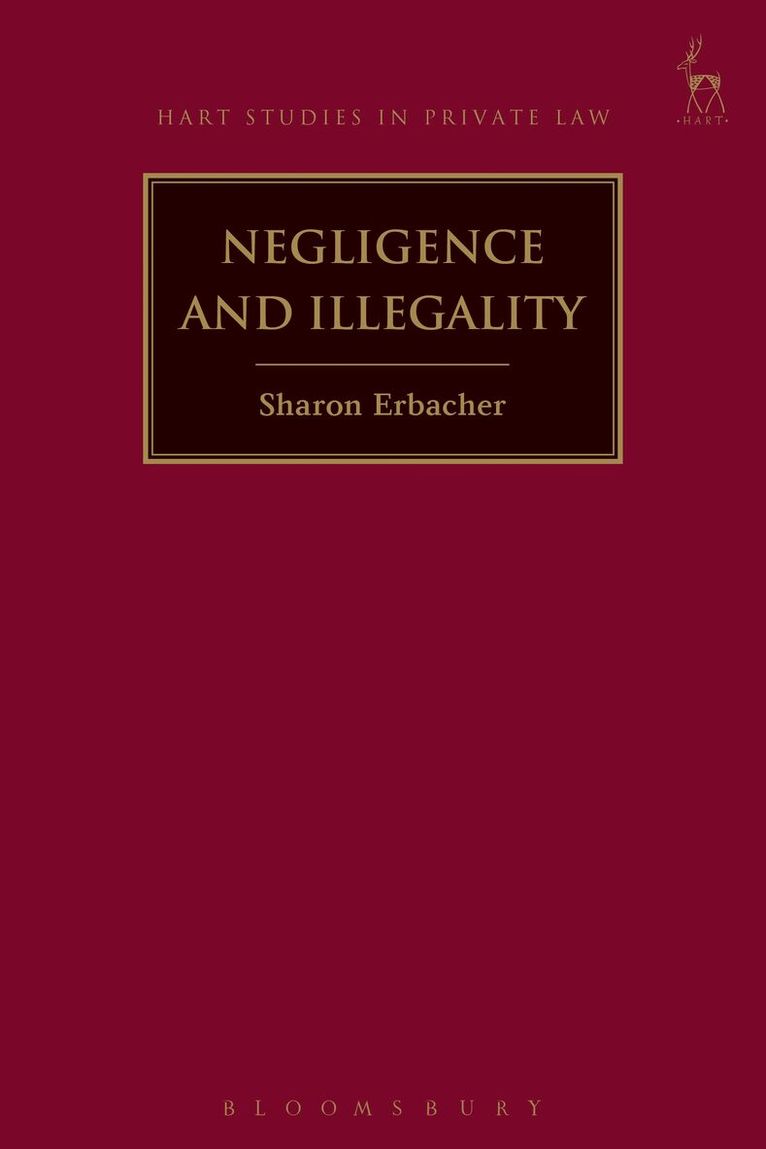
    Negligence and Illegality

    AvSharon Erbacher

    Häftad, Engelska, 2019

    Del i serien Hart Studies in Private Law

    466 kr

    Beställningsvara. Skickas inom 10-15 vardagar. Fri frakt över 249 kr.

    Fler format och utgåvor

    Inbunden

    1 220 kr

    E-bok

    500 kr

    E-bok

    500 kr

    Beskrivning

    This book examines claims in negligence arising from illegal conduct of the claimant. An array of public policy and other grounds have been advanced for resolving these claims, resulting in an area that is characterised by confusing and contradictory case law. The book analyses the various explanations put forward as the basis for illegality doctrine within a framework of corrective justice theory. Illegality law poses particular challenges for the corrective justice explanation of negligence law, as many illegality tests are based on public policy considerations external to the relationship of the parties. The book argues that the only circumstance where illegality doctrine should be applied to deny a claim is where this is necessary to preserve the coherence of the legal system. It develops the work of Ernest Weinribian corrective justice theorists to explain how the principle of legal coherence fits within the framework of corrective justice theory, and why legal coherence is the only valid conceptual basis for a doctrine of illegality. It also contains a detailed study on the scope of the coherence rationale and the principles that will determine its application.

    Produktinformation

    • Utgivningsdatum:2019-06-30
    • Mått:150 x 231 x 13 mm
    • Vikt:411 g
    • Format:Häftad
    • Språk:Engelska
    • Serie:Hart Studies in Private Law
    • Antal sidor:272
    • Förlag:Bloomsbury Publishing PLC
    • ISBN:9781509929788

    Utforska kategorier

    • Skada, kränkningar och kompensation inom Juridik

    Mer om författaren

    Sharon Erbacher is a Senior Lecturer at the Law School at Deakin University, Australia.

    Innehållsförteckning

    • 1. Introduction 2. Theoretical Perspectives3. The Tort–Crime Interface 4. Policy and Discretion 5. The Connection Tests 6. Overview of the Coherence Rationale 7. Statutory Purpose 8. No Loss or Damage: Sanction-shifting and Related Claims 9. No Loss or Damage: Illegal Profits and Earnings 10. A Relational Explanation: Joint Illegal Enterprise Cases 11. Conclusion