• Fri frakt över 249 kr
  • •
  • Snabba leveranser
  • •
  • Billiga böcker
Kundservice

Du är på sajten för privatpersoner.

Företag, bibliotek eller offentlig verksamhet?

Du handlar på classic.bokus.com, där alla dina funktioner finns intakta.
Till classic.bokus.com
Bokus logotyp. Gå till startsidan.
  • Erbjudanden
  • Nyheter
  • Student
  • Topplistor
  • Barn & ungdom
  • Bokus Play
  • E-böcker
  • Pocketböcker
  • Spel & pussel

10% rabatt på allt med kod: NYSTART10 →

Sidfot

Mina sidor

    Hjälp

    • Kundservice
    • Vanliga frågor och svar
    • Frakt och leverans
    • Retur vid ångerrätt
    • Reklamera vara
    • Betalning
    • Köpvillkor
    • Allmänna villkor
    • Information om webbplatsens tillgänglighet

    Om Bokus

    • Om oss
    • Pressrum
    • För studenter
    • För företag
    • För bibliotek och offentlig verksamhet
    • För leverantörer
    • Hållbarhet

    Populärt

    • Aktuella erbjudanden
    • Presentkort
    • Studentlitteratur
    • Nya böcker
    • Topplistor
    • Signerade böcker
    • Engelska böcker

    Inspiration

    • Boktips
    • BookTok
    • Populära bokserier
    • Barnbokskaraktärer
    • Populära författare
    Logotyp för Bokus
    Följ oss på Facebook (extern länk)Följ oss på Instagram (extern länk)Följ oss på YouTube (extern länk)Följ oss på TikTok (extern länk)
    bokus @ CookiesAnpassa cookiesIntegritetspolicyKöpvillkor
    Till Citymail hemsida (extern länk)Till Budbee hemsida (extern länk)Till Postnord hemsida (extern länk)Till Schenker hemsida (extern länk)Till Early Bird hemsida (extern länk)Till Walleys hemsida (extern länk)
    1. Juridik
    2. Särskilda rättsområden
    3. Författningsrätt och förvaltningsrätt
    4. Mänskliga och medborgerliga rättigheter

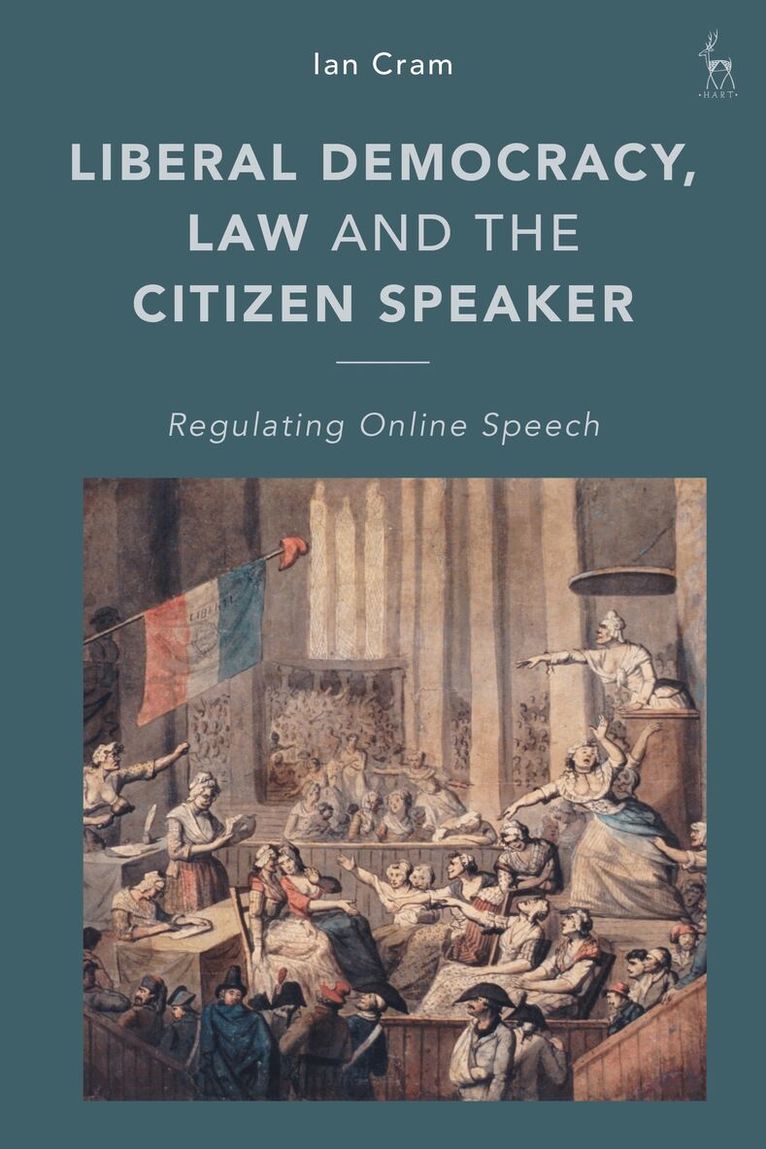
    Liberal Democracy, Law and the Citizen Speaker

    Regulating Online Speech

    AvIan Cram

    Häftad, Engelska, 2024

    568 kr

    Beställningsvara. Skickas inom 10-15 vardagar. Fri frakt över 249 kr.

    Fler format och utgåvor

    Inbunden

    1 219 kr

    E-bok

    591 kr

    E-bok

    611 kr

    Beskrivning

    This book delivers an original, theoretically informed analysis of the legal regulation of online speech. Rejecting the narrow pluralism of elitist and deliberative accounts of the citizen’s role in political discourse, the book defends a participatory account of speech in non-deliberative settings. The latter account of political pluralism best captures the republican democratic aspiration for popular, on-going authorship of the laws and the centrality of freedom to dissent in democratic theory. The legal and policy implications for governments and social media platforms of this inclusive envisioning of public discourse are then elaborated upon. In the digital world, anyone with access to the internet can be a speaker. Speech on public platforms has become democratised. At the same time, aspects of online speech are plainly problematic. Concerns exist about disinformation, ‘fake news’, ‘deep fakes’, ‘weaponised speech’ and ‘trolls’. Offensive speech and the polarising effects of robustly expressed political opinion are also troublesome. These assorted downsides of democratised speech are said to undermine the integrity of democratic processes and institutions. Public debate is distorted and coarsened and the electorate are misled. How ought the liberal democratic state respond to these challenges?The discussion is intended to be read by academics and researchers with interests in democratic theory, digital communications and freedom of expression. It offers a stimulating and distinctive contribution to debates about online speech.

    Produktinformation

    • Utgivningsdatum:2024-02-29
    • Mått:150 x 229 x 10 mm
    • Vikt:340 g
    • Format:Häftad
    • Språk:Engelska
    • Antal sidor:232
    • Förlag:Bloomsbury Publishing PLC
    • ISBN:9781509945863

    Utforska kategorier

    • Mänskliga och medborgerliga rättigheter inom Juridik

    Mer om författaren

    Ian Cram is Professor of Comparative Constitutional Law at Leeds University, UK.

    Recensioner i media

    Cram's view on regulating and promoting online speech is a vital discussion on the requirements for a pure democracy.

    Innehållsförteckning

    • 1. Damaging Democracy? ‘Fake News’ and Moral Panics Introduction Issues of Principle – How Open Should the Channels of Political Communication be in a Liberal Democracy?Tensions between Liberalism and Democracy Popular Sovereignty in Liberal Constitutionalist Thinking The Popular Sovereignty Challenge to Liberal Constitutionalism and Two Anxieties Mapping Liberalism’s Ochlophobia – Current Restrictions on Freedom of Political Expression and a Republican Argument for Keeping the Channels of Political Change Open 2. Closing Off the Agon: Legal Norms, Deliberative Democracy and ‘Improved’ European Public Discourse Introduction The Liberal and the Democratic Polity Privileging ‘Responsible’ Media – The Council of Europe’s Narrowed Conception of Political Pluralism Threats to Political Pluralism from Liberal Elitist, Deliberative (Civic Republican), Epistemic Accounts of Democracy Containing Majoritarian Passions – Pettit’s Aristocratic Republic of Reason and Critics Conclusion – Ongoing Ineliminable Conflict: Truly Plural, Participatory Politics 3. Enlightenment Rationality vs Machiavellian Pluralism Introduction Enlightenment Roots of Deliberative Democracy and Some Counter-Enlightenment Objections Public Reason and the Reasonable Citizen in Deliberative Democracy Scholarship Conclusion 4. Populism and Ochlophobia: The Denouncements of Popular Participation in Liberal Democracy Introduction Anti-populist Themes in Mainstream Culture and Politics Populism in Political Theory – A Response to Modern Representative Democracy and Redemptive Possibilities Defending Oligarchical Rule Down the Ages – From Thucydidesand Plato via Madison and Tocqueville to the Twentieth-century Critics of Mass Culture Denying Isonomia Today – Ochlophobia in Liberal and Republican Political Theory Countering Ochlophobia – Popular (Arendtian) Participation and the Value of Roman Discord Conclusion 5. Popular Participation and Political Dissent in Post-Revolutionary America: A Case Study of the Democratic Republicans Introduction Federalist and Patrician Republican Accounts of the Political Citizen Arendt, Human Action and the Mediated (Oligarchic) Political Life – The Failure of the US Founders to Preserve the Revolutionary Spirit Jefferson’s Ward-republic: Preserving the Revolutionary Spirit The Counter-Publics of Democratic Republican Clubs Conclusion 6. Official and Corporate Gatekeeping of Online Expression with Special Reference to False Statements on Public Affairs Introduction Protecting False Statements in Political Discourse – Some Principled Arguments The Long Reach of UK Criminal Law into Online Political Discourse and Selected Comparisons Across Western Liberal DemocraciesState Regulation of Contentious Expression – OFCOM and the Coronavirus Disinformation Unit The State as a Producer of False Statements Conclusion 7. Restoring the Agon: Re-opening the Channels of Political Change Introduction – Swimming against the Liberal Tide Dealing with the Problem of the ‘Ins’ and the Role of Plural Political Expression in Preserving Open and Fractious Republican Liberty Common Carriers Not Editors – Public Forums and Banning Viewpoint Discrimination by Social Media PlatformsFinal Thoughts: The Threat to Self-government