• Fri frakt över 249 kr
  • •
  • Snabba leveranser
  • •
  • Billiga böcker
Kundservice

Du är på sajten för privatpersoner.

Företag, bibliotek eller offentlig verksamhet?

Du handlar på classic.bokus.com, där alla dina funktioner finns intakta.
Till classic.bokus.com
Bokus logotyp. Gå till startsidan.
  • Erbjudanden
  • Nyheter
  • Student
  • Topplistor
  • Barn & ungdom
  • Bokus Play
  • E-böcker
  • Pocketböcker
  • Spel & pussel

10% rabatt på allt med kod NYSTART10 →

Sidfot

Mina sidor

    Hjälp

    • Kundservice
    • Vanliga frågor och svar
    • Frakt och leverans
    • Retur vid ångerrätt
    • Reklamera vara
    • Betalning
    • Köpvillkor
    • Allmänna villkor
    • Information om webbplatsens tillgänglighet

    Om Bokus

    • Om oss
    • Pressrum
    • För studenter
    • För företag
    • För bibliotek och offentlig verksamhet
    • För leverantörer
    • Hållbarhet

    Populärt

    • Aktuella erbjudanden
    • Presentkort
    • Studentlitteratur
    • Nya böcker
    • Topplistor
    • Signerade böcker
    • Engelska böcker

    Inspiration

    • Boktips
    • BookTok
    • Populära bokserier
    • Barnbokskaraktärer
    • Populära författare
    Logotyp för Bokus
    Följ oss på Facebook (extern länk)Följ oss på Instagram (extern länk)Följ oss på YouTube (extern länk)Följ oss på TikTok (extern länk)
    bokus @ CookiesAnpassa cookiesIntegritetspolicyKöpvillkor
    Till Citymail hemsida (extern länk)Till Budbee hemsida (extern länk)Till Postnord hemsida (extern länk)Till Schenker hemsida (extern länk)Till Early Bird hemsida (extern länk)Till Walleys hemsida (extern länk)
    1. Psykologi och pedagogik
    2. Psykologi
    3. Psykologiska teorier och skolor

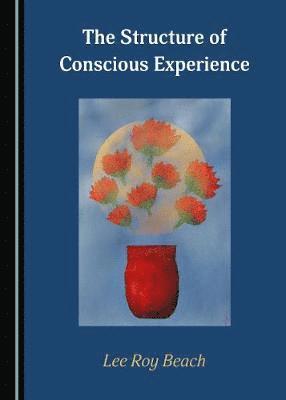
    Structure of Conscious Experience

    AvLee Roy Beach

    Inbunden, Engelska, 2019

    1 506 kr

    Tillfälligt slut

    Beskrivning

    There must exist a point at which the molecular and electro-chemical processes that comprise brain function are transformed into rich, orderly conscious experience which seamlessly blends the present moment, what led up to it, and what will follow it. This is the stuff of our everyday lives, and it raises questions about its organization and how that organization facilitates engagement with the world at large. In short, what is the structure of conscious experience and what is gained by it being structured that way?This book argues that the structure is what is familiarly known as narrative form and that the gain is the ability to communicate about one's experience with oneself and others, as well as to make informed predictions about what will happen in the fundamentally unknowable and potentially dangerous future. In the latter case, because the essence of narrative form is time and causality, structuring events from memory (the past) and from perception (the present) in narrative form causally implies future events (expectations). The potential threat (the bad or the absence of good) of these expected future events can be assessed, and, if required, action can be taken to prevent their occurrence or to diminish their impact. The implications about thinking and action, and about who we are as individuals, are also discussed here.

    Produktinformation

    • Utgivningsdatum:2019-08-28
    • Mått:148 x 212 x undefined mm
    • Format:Inbunden
    • Språk:Engelska
    • Antal sidor:132
    • Förlag:Cambridge Scholars Publishing
    • ISBN:9781527537569

    Utforska kategorier

    • Psykologiska teorier och skolor inom Psykologi och pedagogik
    • Kognitiv psykologi inom Psykologi och pedagogik
    • Psykologi: jaget, identitet och personlighet inom Psykologi och pedagogik

    Mer om författaren

    Lee Roy Beach is McClelland Professor Emeritus and former Vice Dean at the Eller College of Business of the University of Arizona, where he also served as a Professor of Public Administration and of Psychology. He received his PhD in Experimental Psychology from the University of Colorado, before serving in the US Navy. This was followed by two years of post-doctoral work in decision research at the University of Michigan. Before he retired, he was a Fellow of the American Psychological Association and the American Psychological Society, and a member of the Society for Organizational Behavior and the Society for Judgment and Decision Making. He served on the editorial boards several academic journals, and has published over 120 scholarly articles and 11 books on psychology, decision making, and organizational behavior. This is his third book on narrative in cognition.