Häftad, Engelska, 2022
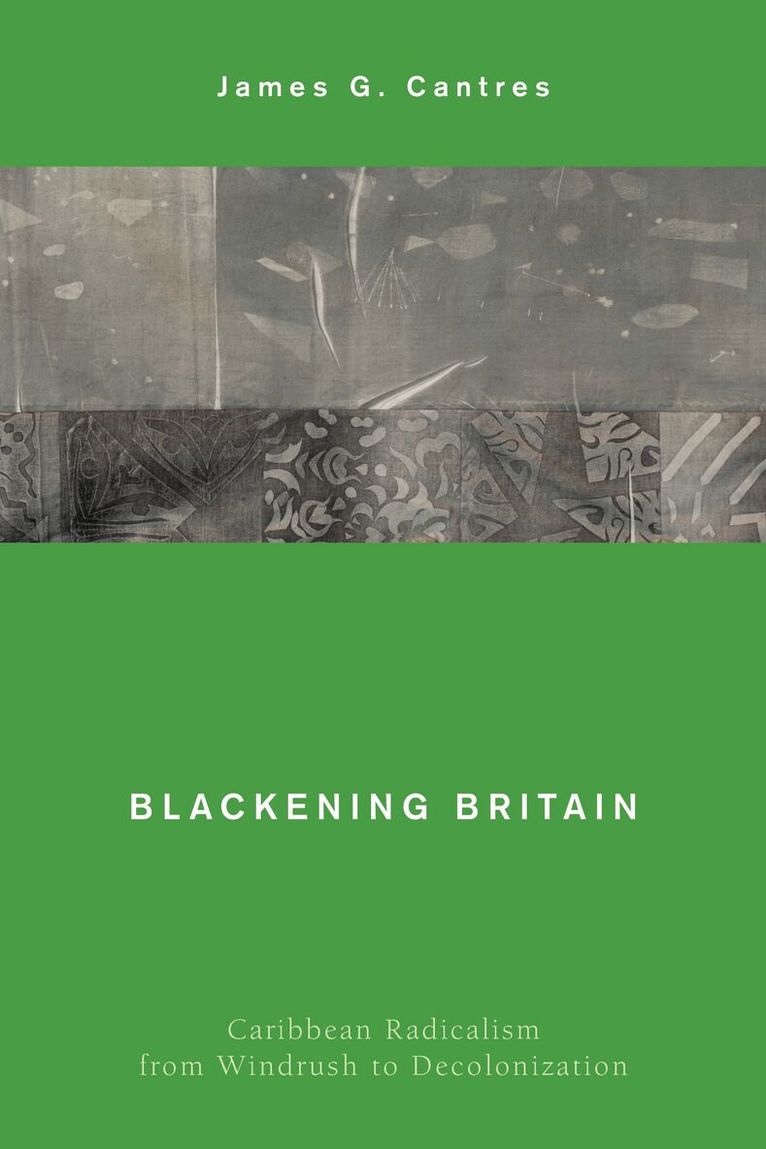
Blackening Britain
Caribbean Radicalism from Windrush to Decolonization
Del i serien Global Critical Caribbean Thought
457 kr
Beställningsvara. Skickas inom 10-15 vardagar. Fri frakt över 249 kr.
Beskrivning
Produktinformation
- Utgivningsdatum: 2022-09-02
- Mått: 152 x 229 x 20 mm
- Vikt: 408 g
- Format: Häftad
- Språk: Engelska
- Serie: Global Critical Caribbean Thought
- Antal sidor: 270
- Förlag: Bloomsbury Publishing Plc
- ISBN: 9781538148402
Utforska kategorier
Mer om författaren
James Cantres is associate professor in Africana, Puerto Rican & Latino Studies at Hunter College and in the Department of History at the Graduate Center, both of the City University of New York where he specializes in migration, black internationalisms, radical politics, cultural formations, Africana epistemologies, and making Black worlds throughout African Atlantic geographies.
Recensioner i media
Cantres traces the emergence and consolidation of a radical consciousness among West Indians in mid-20th-century Britain. Drawing on a broad range of primary sources and secondary materials, Cantres begins by looking at the Caribbean situation before and immediately after WW II, including the fifth Pan-African Congress convened in Manchester, UK, in 1945. He describes the initial responses of uprooted intellectuals to living at the geographical center of a declining colonial power. He details the response of both activists and ordinary émigrés to the Notting Hill race riots of 1958, and he explains how such organizations as the West Indian Student Centre accommodated young aspirants to the challenging realities of the British education system. The restrictions of the Commonwealth Immigrants Act of 1962 helped provoke the emergence of a Black Power movement in the wake of the inflammatory rhetoric of Enoch Powell. The Caribbean Artists Movement organized a conference in 1968 that contested passive assimilation, and groups such as the Black Eagles, led by Michael X, embodied a revolutionary consciousness. The author argues that by the 1970s Black thinkers had created a blueprint for political resistance and autonomy. Recommended.
Betyg & recensioner
0 recensioner
Inga recensioner tillgängliga.