Russia’s Arctic
Marlene Laruelle, Jean Radvanyi, Stephen M. Norris, Stephen M Norris, Polly Jones
Häftad, 2026
237 kr
Du är på sajten för privatpersoner.
AvJean Radvanyi,Marlene Laruelle
1 225 kr
Beställningsvara. Skickas inom 10-15 vardagar. Fri frakt över 249 kr.
Marlene Laruelle is research professor of international affairs and associate director of the Institute for European, Russian and Eurasian Studies (IERES) at the Elliott School of International Affairs, George Washington University. She is codirector of PONARS-Eurasia and director of the Central Asia Program at GW. Her books include Russian Eurasianism: An Ideology of Empire (Johns Hopkins University Press, 2008), In the Name of the Nation: Nationalism and Politics in Contemporary Russia (Palgrave, 2009), and Russia’s Strategies in the Arctic and the Future of the Far North (M.E. Sharpe, 2013). Jean Radvanyi is professor of Russian Studies and Geography at the National Institute for Oriental Languages and Cultures in Paris. He directed the French-Russian Center for Social Sciences and Humanities located in Moscow for four year, between 2008 and 2012. His books include four editions of (in French) The New Russia (Armand Colin), and Geopolitical Atlas of the Caucasus (Autrement).
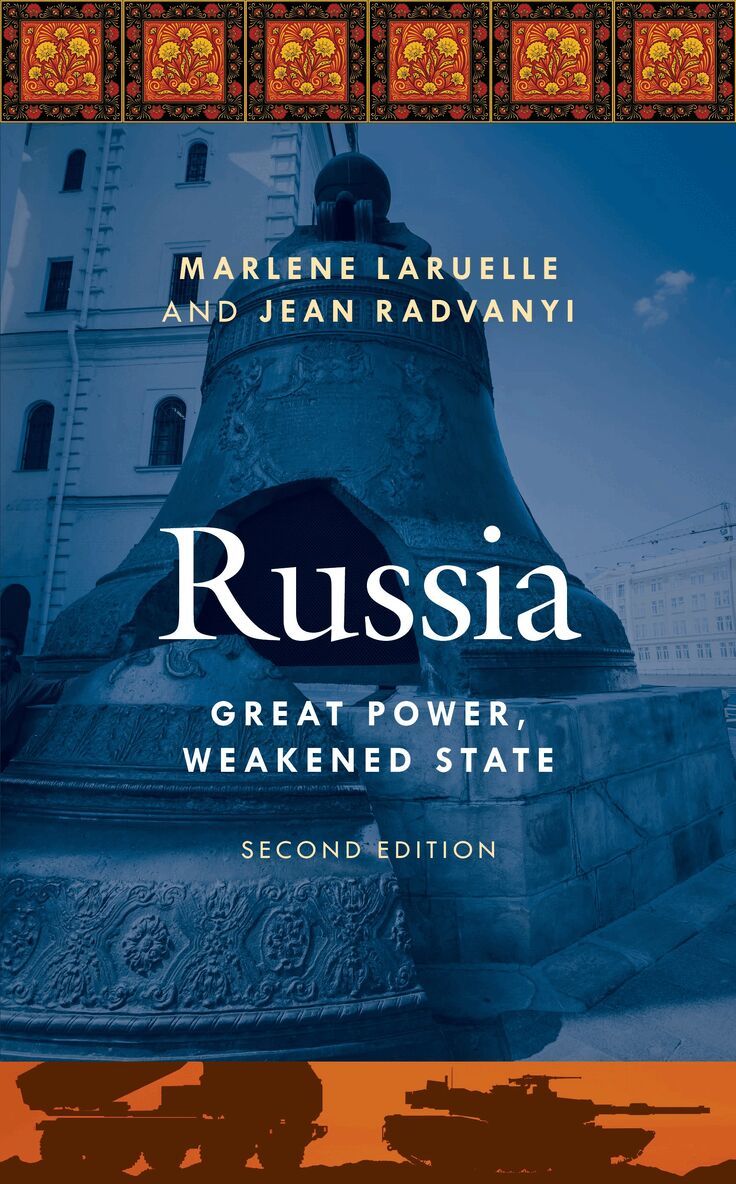
Russia’s invasion of Ukraine upended Western security policy in ways that are highly inimical to Russian interests, notably the enlargement of NATO's military presence in the Baltic states and the decision by both Sweden and Finland to join the organization. That the Kremlin could have anticipated these responses raises the question of why it invaded. Laurelle and Radvanyi address this question in their survey of Russian history, emphasizing the fears of Russian elites and the general public—the fear of demographic decline and a struggling economy, but above all the fear of foreign intervention à la the color revolutions. Russia’s weakness invites intervention, making the restoration of its great power status an overarching foreign policy goal. For Putin this means establishing a global presence that counters the West-centered world order. He has forged a close relationship with China, made Russia an indispensable power in Syria, and cultivated Russia’s participation in BRICS. For Putin, however, this restoration of status is linked first and foremost to Russia’s ability to dominate Ukraine. The book covers familiar ground but is a very useful introduction to Russia’s place in international politics and to its repressive domestic policies and economic resilience under Western sanctions. Highly recommended. General readers through graduate students.
Marlene Laruelle, Jean Radvanyi, Stephen M. Norris, Stephen M Norris, Polly Jones
Häftad, 2026
237 kr
Marlene Laruelle, Jean Radvanyi, Stephen M. Norris, Stephen M Norris, Polly Jones
Häftad, 2026
237 kr
Marlene Laruelle, Margarita Karnysheva, Stephen M. Norris
Häftad, 2020
222 kr
Du är på sajten för privatpersoner.
AvJean Radvanyi,Marlene Laruelle
1 225 kr
Beställningsvara. Skickas inom 10-15 vardagar. Fri frakt över 249 kr.
Marlene Laruelle is research professor of international affairs and associate director of the Institute for European, Russian and Eurasian Studies (IERES) at the Elliott School of International Affairs, George Washington University. She is codirector of PONARS-Eurasia and director of the Central Asia Program at GW. Her books include Russian Eurasianism: An Ideology of Empire (Johns Hopkins University Press, 2008), In the Name of the Nation: Nationalism and Politics in Contemporary Russia (Palgrave, 2009), and Russia’s Strategies in the Arctic and the Future of the Far North (M.E. Sharpe, 2013). Jean Radvanyi is professor of Russian Studies and Geography at the National Institute for Oriental Languages and Cultures in Paris. He directed the French-Russian Center for Social Sciences and Humanities located in Moscow for four year, between 2008 and 2012. His books include four editions of (in French) The New Russia (Armand Colin), and Geopolitical Atlas of the Caucasus (Autrement).
Russia’s invasion of Ukraine upended Western security policy in ways that are highly inimical to Russian interests, notably the enlargement of NATO's military presence in the Baltic states and the decision by both Sweden and Finland to join the organization. That the Kremlin could have anticipated these responses raises the question of why it invaded. Laurelle and Radvanyi address this question in their survey of Russian history, emphasizing the fears of Russian elites and the general public—the fear of demographic decline and a struggling economy, but above all the fear of foreign intervention à la the color revolutions. Russia’s weakness invites intervention, making the restoration of its great power status an overarching foreign policy goal. For Putin this means establishing a global presence that counters the West-centered world order. He has forged a close relationship with China, made Russia an indispensable power in Syria, and cultivated Russia’s participation in BRICS. For Putin, however, this restoration of status is linked first and foremost to Russia’s ability to dominate Ukraine. The book covers familiar ground but is a very useful introduction to Russia’s place in international politics and to its repressive domestic policies and economic resilience under Western sanctions. Highly recommended. General readers through graduate students.
Marlene Laruelle, Jean Radvanyi, Stephen M. Norris, Stephen M Norris, Polly Jones
Häftad, 2026
237 kr
Marlene Laruelle, Jean Radvanyi, Stephen M. Norris, Stephen M Norris, Polly Jones
Häftad, 2026
237 kr
Marlene Laruelle, Margarita Karnysheva, Stephen M. Norris
Häftad, 2020
222 kr