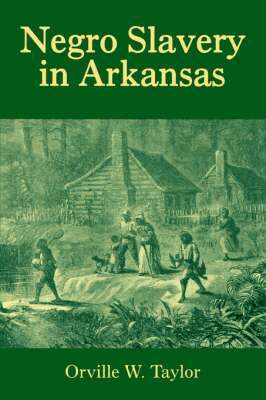
Häftad, Engelska, 2000
Negro Slavery in Arkansas
Del i serien Arkansas Classics
294 kr
Tillfälligt slut
Beskrivning
Produktinformation
- Utgivningsdatum: 2000-07-31
- Mått: 152 x 229 x 25 mm
- Vikt: 333 g
- Format: Häftad
- Språk: Engelska
- Serie: Arkansas Classics
- Antal sidor: 282
- Förlag: University of Arkansas Press
- ISBN: 9781557286130
Mer om författaren
Orville W. Taylor was a professor of history at Georgia College & State University in Milledgeville, Georgia. Winner of the Duke University Publication Award for the original edition of this book, he also co-authored Religion in the Southern States (1983, Mercer University Press).
Recensioner i media
Negro Slavery in Arkansas traces the roots of Arkansas’s slavery from its origin in French and Spanish colonization, its induction into the United States, through the Civil War and Emancipation. Forty years after its original publication, this new edition, with an introduction by Carl Moneyhon, still addresses the health, food, clothing, marriage, and workloads of the slaves. Largely based on original sources, Taylor’s work still stands as the leading authority on the institution of slavery in Arkansas." —Journal of Negro History, Spring 2001
Betyg & recensioner
0 recensioner
Inga recensioner tillgängliga.