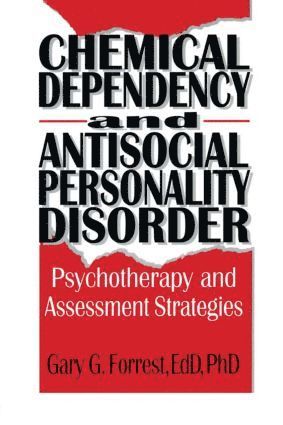
Häftad, Engelska, 1996
Chemical Dependency and Antisocial Personality Disorder
Av Bruce Carruth, Gary G Forrest
668 kr
Beställningsvara. Skickas inom 10-15 vardagar. Fri frakt över 249 kr.
Beskrivning
Chemical Dependency and Antisocial Personality Disorder gives you the information and clinical skills necessary to assess and evaluate persons suffering from substance abuse and/or antisocial personality disorders and details how you can develop effective psychotherapy and treatment strategies. From its helpful pages that contain diagnostic criteria and clinical interviewing and assessment guidelines, you learn to accurately diagnose substance use and antisocial personality disorders. The book also provides you with the historical and clinical perspectives of such disorders and their epidemiology and etiology to give you a thorough background and understanding of the subject. Case studies and therapy vignettes are included to provide you with actual clinical examples to illustrate concepts and ideas. You will appreciate the book’s in-depth discussions of treatment strategies that can greatly enhance your effectiveness. You’ll find this volume is an invaluable research resource for refreshing your approaches for helping persons with substance abuse and antisocial personality disorders.Much of the content of Chemical Dependency and Antisocial Personality Disorder is based on the author’s two decades of experience working with patients suffering from substance use and antisocial personality disorders. Some topics addressed include:accurate differential diagnosis resistance the use of structure in treatment therapist-patient relationship dynamics treatment outcome effectiveness, relapse, and recovery. Alcohol/drug counselors, psychiatrists, psychologists, and corrections, probation, and parole officers who want to be more effective in their work with chemically dependent and antisocial clients will find this a practical, helpful, and informative guide. This enlightening book examines many of the most difficult and clinically problematic issues that are associated with the psychotherapy and rehabilitation of chemically dependent and/or antisocial patients. Much of the content of Chemical Dependency and Antisocial Personality Disorder is based on the author’s two decades of experience working with patients suffering from substance use and antisocial personality disorders. Some topics addressed include accurate differential diagnosis, resistance, the use of structure in treatment, therapist-patient relationship dynamics, and treatment outcome effectiveness, relapse, and recovery. Alcohol/drug counselors, psychiatrists, psychologists, and corrections, probation, and parole officers who want to be more effective in their work with chemically dependent and antisocial clients will find this a practical, helpful, and informative guide.
Produktinformation
- Utgivningsdatum: 1996-06-03
- Mått: 156 x 216 x undefined mm
- Vikt: 730 g
- Format: Häftad
- Språk: Engelska
- Antal sidor: 392
- Förlag: Taylor & Francis Inc
- ISBN: 9781560249917
Utforska kategorier
Betyg & recensioner
0 recensioner
Inga recensioner tillgängliga.