• Fri frakt över 249 kr
  • •
  • Snabba leveranser
  • •
  • Billiga böcker
Kundservice

Du är på sajten för privatpersoner.

Företag, bibliotek eller offentlig verksamhet?

Du handlar på classic.bokus.com, där alla dina funktioner finns intakta.
Till classic.bokus.com
Bokus logotyp. Gå till startsidan.
  • Erbjudanden
  • Nyheter
  • Student
  • Topplistor
  • Barn & ungdom
  • Bokus Play
  • E-böcker
  • Pocketböcker
  • Spel & pussel

10% rabatt på allt med kod NYSTART10 →

Sidfot

Mina sidor

    Hjälp

    • Kundservice
    • Vanliga frågor och svar
    • Frakt och leverans
    • Retur vid ångerrätt
    • Reklamera vara
    • Betalning
    • Köpvillkor
    • Allmänna villkor
    • Information om webbplatsens tillgänglighet

    Om Bokus

    • Om oss
    • Pressrum
    • För studenter
    • För företag
    • För bibliotek och offentlig verksamhet
    • För leverantörer
    • Hållbarhet

    Populärt

    • Aktuella erbjudanden
    • Presentkort
    • Studentlitteratur
    • Nya böcker
    • Topplistor
    • Signerade böcker
    • Engelska böcker

    Inspiration

    • Boktips
    • BookTok
    • Populära bokserier
    • Barnbokskaraktärer
    • Populära författare
    Logotyp för Bokus
    Följ oss på Facebook (extern länk)Följ oss på Instagram (extern länk)Följ oss på YouTube (extern länk)Följ oss på TikTok (extern länk)
    bokus @ CookiesAnpassa cookiesIntegritetspolicyKöpvillkor
    Till Citymail hemsida (extern länk)Till Budbee hemsida (extern länk)Till Postnord hemsida (extern länk)Till Schenker hemsida (extern länk)Till Early Bird hemsida (extern länk)Till Walleys hemsida (extern länk)
    1. Kultur
    2. Musikböcker
    3. Musikvetenskap

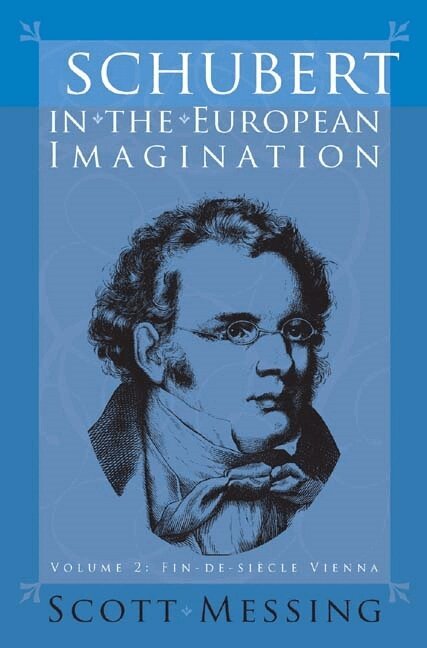
    Self-Quotation in Schubert

    Ave Maria, the Second Piano Trio, and Other Works

    AvScott Messing

    Inbunden, Engelska, 2020

    Del 165 i serien Eastman Studies in Music

    1 752 kr

    Beställningsvara. Skickas inom 5-8 vardagar. Fri frakt över 249 kr.
    Beskrivning

    Examines the history of musical self-quotation, and reveals and explores a previously unidentified case of Schubert quoting one of his own songs in a major instrumental work.Enthusiasts and experts have long relished Schubert's quotations of his own music. This study centers on a previously unidentified pairing: "Ave Maria," one of his most beloved songs, and the Piano Trio no. 2, a masterpiece that holds a unique position in his career. Messing's Self-Quotation in Schubert interrogates the concept of self-quotation from the standpoints of terminology and authorial intent, and it demonstrates, for the first time, how Schubert's practice of self-quotation relates to prevailing practices in the late eighteenth and early nineteenth centuries. Messing goes on to analyze in detail the musical relationships between the two works and to investigate thecircumstances that led Schubert to compose each of them."Ave Maria" is one of the few Schubert songs for which we have documentation of some early private performances, and the trio stood at the heart of Schubert's only public concert devoted to his works. Messing establishes that Schubert sought to convey an associative meaning with this self-quotation, trusting in his contemporaries' familiarity with the original melody and with Walter Scott's poem, a text that carried profound resonances in Catholic Vienna. Scrutinizing this evidence yields the symbolic purpose behind Schubert's allusion to "Ave Maria" in the piano trio: honoring the recently deceased Beethoven andvalidating Schubert as his legatee.SCOTT MESSING is Charles A. Dana Professor of Music Emeritus at Alma College.

    Produktinformation

    • Utgivningsdatum:2020-05-01
    • Mått:152 x 229 x 23 mm
    • Vikt:588 g
    • Format:Inbunden
    • Språk:Engelska
    • Serie:Eastman Studies in Music
    • Antal sidor:334
    • Förlag:Boydell & Brewer Ltd
    • ISBN:9781580469654

    Utforska kategorier

    • Musikvetenskap inom Kultur

    Recensioner i media

    This book offers a much-needed study of Schubert and his practices of self-quotation, a type of musical allusion that has yet to receive a book-length study of any kind, either one devoted to the music of a single composer or to the phenomenon as a whole. Messing's focus is obviously Schubert, but he has much to say about the practice in general, and his analysis will surely influence all subsequent discussions.

    Innehållsförteckning

    • IntroductionCommencements and ContextsOn the Reception of Schubert's Self-QuotationsTwo Scores and Their Musical RelationshipsParents and Children: On the Background to "Ave Maria"From "Ave Maria" to Trio"Dedicated to nobody, save those who find pleasure in it."Contexts and Conclusions