• Fri frakt över 249 kr
  • •
  • Snabba leveranser
  • •
  • Billiga böcker
Kundservice

Du är på sajten för privatpersoner.

Företag, bibliotek eller offentlig verksamhet?

Du handlar på classic.bokus.com, där alla dina funktioner finns intakta.
Till classic.bokus.com
Bokus logotyp. Gå till startsidan.
  • Erbjudanden
  • Nyheter
  • Student
  • Topplistor
  • Barn & ungdom
  • Bokus Play
  • E-böcker
  • Pocketböcker
  • Spel & pussel

10% rabatt på allt med kod: NYSTART10 →

Sidfot

Mina sidor

    Hjälp

    • Kundservice
    • Vanliga frågor och svar
    • Frakt och leverans
    • Retur vid ångerrätt
    • Reklamera vara
    • Betalning
    • Köpvillkor
    • Allmänna villkor
    • Information om webbplatsens tillgänglighet

    Om Bokus

    • Om oss
    • Pressrum
    • För studenter
    • För företag
    • För bibliotek och offentlig verksamhet
    • För leverantörer
    • Hållbarhet

    Populärt

    • Aktuella erbjudanden
    • Presentkort
    • Studentlitteratur
    • Nya böcker
    • Topplistor
    • Signerade böcker
    • Engelska böcker

    Inspiration

    • Boktips
    • BookTok
    • Populära bokserier
    • Barnbokskaraktärer
    • Populära författare
    Logotyp för Bokus
    Följ oss på Facebook (extern länk)Följ oss på Instagram (extern länk)Följ oss på YouTube (extern länk)Följ oss på TikTok (extern länk)
    bokus @ CookiesAnpassa cookiesIntegritetspolicyKöpvillkor
    Till Citymail hemsida (extern länk)Till Budbee hemsida (extern länk)Till Postnord hemsida (extern länk)Till Schenker hemsida (extern länk)Till Early Bird hemsida (extern länk)Till Walleys hemsida (extern länk)
    1. Psykologi och pedagogik
    2. Pedagogik
    3. Undervisning i specifika ämnen

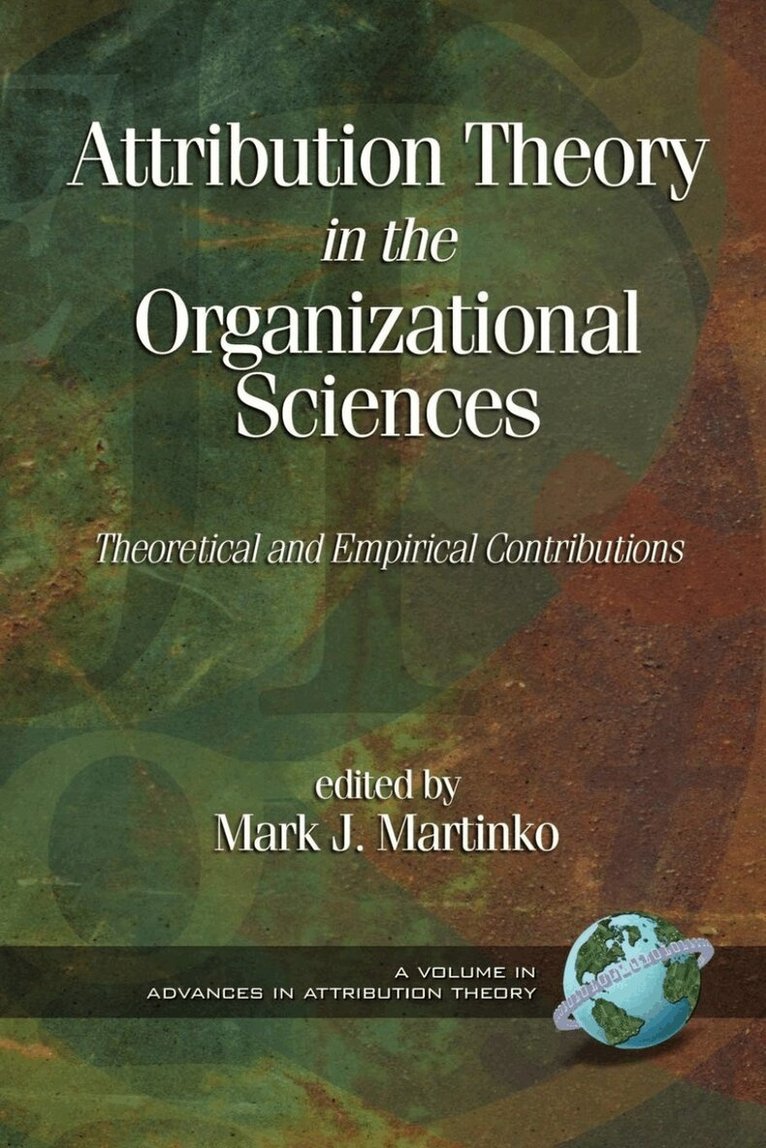
    Attribution Theory in the Organizational Sciences

    Theoretical and Empirical Contributions

    AvMark J. Martinko

    Inbunden, Engelska, 2000

    Del i serien Advances in Attribution Theory

    1 072 kr

    Beställningsvara. Skickas inom 5-8 vardagar. Fri frakt över 249 kr.

    Beskrivning

    This book argues that conventional interpretations of Freudian psychology have not accounted for the existence and complexity of death anxiety and its intrinsic relation to the creation of illusions and delusions. This book contends that there is sufficient evidence to support the view that death anxiety is not only a symptom of certain modes of psychopathology, but is a very normal and central emotional threat human beings deal with only by impeding awareness of the threat from entering consciousness. The immanence of the fear of death requires vigilant defensive and coping techniques, especially the distortion of reality through these defenses and fantasies, so that over-whelming terror does not psychologically cripple the organism. The fear of death is so horrific that human beings must insulate themselves in religious, social, and private illusions, rituals, obsessive pursuits, self-glorification, and myriad desperate attempts to lie about the quintessential nature of reality. Death is that terror that induces psychopathology. This book demonstrates that a careful reading of Freud reveals a copious amount of material supporting these propositions.

    Produktinformation

    • Utgivningsdatum:2000-09-05
    • Mått:156 x 234 x 19 mm
    • Vikt:631 g
    • Format:Inbunden
    • Språk:Engelska
    • Serie:Advances in Attribution Theory
    • Antal sidor:324
    • Förlag:Emerald Publishing Inc
    • ISBN:9781593111267

    Utforska kategorier

    • Undervisning i specifika ämnen inom Psykologi och pedagogik

    Innehållsförteckning

    • DedicationForewordChapter 1. Attribution Theory and Organizational PsychologyChapter 2. Social Motivation and Moral EmotionsChapter 3. Attributions and the Action Cycle of WorkChapter 4. Positive and Negative Affect and Explanatory Style as Predictors of Work AttitudesChapter 5. Attribution and BurnoutChapter 6. Core Self-Evaluations, Aspirations, Success, and PersistenceChapter 7. An Exploratory Study of Workplace AggressionChapter 8. A Preliminary Examination of the Role of Attributions and Emotions in the Transactional Stress ModelChapter 9. Social Attributional StyleChapter 10. Follower Attributions of Leader Manipulative and Sincere IntentionalityChapter 11. Conflict ManagementChapter 12. An Attribution-Empathy Approach to Conflict and Negotiation in Multicultural SettingsChapter 13. Antecedents to Dissatisfaction with an International Joint Venture PartnerChapter 14. A Theoretical Frame for Post-Crisis CommunicationChapter 15. Parting ThoughtsIndex