• Fri frakt över 249 kr
  • •
  • Snabba leveranser
  • •
  • Billiga böcker
Kundservice

Du är på sajten för privatpersoner.

Företag, bibliotek eller offentlig verksamhet?

Du handlar på classic.bokus.com, där alla dina funktioner finns intakta.
Till classic.bokus.com
Bokus logotyp. Gå till startsidan.
  • Erbjudanden
  • Nyheter
  • Student
  • Topplistor
  • Barn & ungdom
  • Bokus Play
  • E-böcker
  • Pocketböcker
  • Spel & pussel

10% studentrabatt med kod TERM26

Sidfot

Mina sidor

    Hjälp

    • Kundservice
    • Vanliga frågor och svar
    • Frakt och leverans
    • Retur vid ångerrätt
    • Reklamera vara
    • Betalning
    • Köpvillkor
    • Allmänna villkor
    • Information om webbplatsens tillgänglighet

    Om Bokus

    • Om oss
    • Pressrum
    • För studenter
    • För företag
    • För bibliotek och offentlig verksamhet
    • För leverantörer
    • Hållbarhet

    Populärt

    • Aktuella erbjudanden
    • Presentkort
    • Studentlitteratur
    • Nya böcker
    • Topplistor
    • Signerade böcker
    • Engelska böcker

    Inspiration

    • Boktips
    • BookTok
    • Populära bokserier
    • Barnbokskaraktärer
    • Populära författare
    Logotyp för Bokus
    Följ oss på Facebook (extern länk)Följ oss på Instagram (extern länk)Följ oss på YouTube (extern länk)Följ oss på TikTok (extern länk)
    bokus @ CookiesAnpassa cookiesIntegritetspolicyKöpvillkor
    Till Citymail hemsida (extern länk)Till Budbee hemsida (extern länk)Till Postnord hemsida (extern länk)Till Schenker hemsida (extern länk)Till Early Bird hemsida (extern länk)Till Walleys hemsida (extern länk)
    1. Historia och arkeologi
    2. Historia
    3. Europas historia

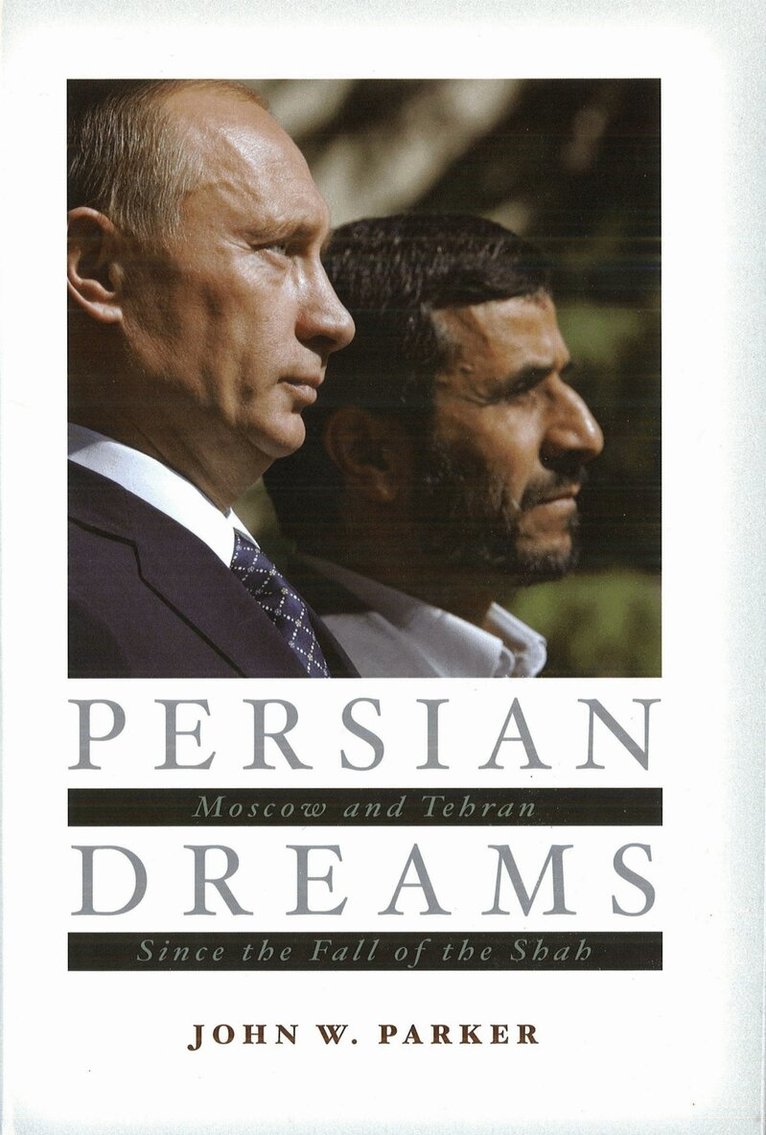
    Persian Dreams

    Moscow and Tehran Since the Fall of the Shah

    AvJohn W. Parker

    E-bok
    Engelska, 2011

    355 kr

    Läs direkt i Bokus Reader – eller ladda ned till din enhet

    Beskrivning

    Moscow’s ties with the Islamic Republic of Iran underwent dramatic fluctuations following Ayatollah Ruhollah Khomeini’s triumphant return to Tehran in 1979. After a prolonged implosion, they fitfully expanded, shaped not only by the rush of current events but by centuries of ingrained practices and prejudices. By summer 2006, as Iran forged ahead with its nuclear program and Shia-based forces flexed their muscles across the Middle East, Russian-Iranian relations again appeared to be on the threshold of an entirely new dynamic.Drawing on firsthand interviews as well as primary and secondary sources, John Parker delineates Moscow’s motives and approaches to dealing with the resurgent Tehran, weaving into the public record the recollections and analyses of Russian politicians, diplomats, and experts who dealt directly with Iran both under the Pahlavi monarchy and after the 1979 Islamic Revolution. Parker also emphasizes other touchstones of relations between the two countries, including their complex dealings in 1992 immediately after the Soviet Union’s collapse and when they backed opposing sides in the civil war in Tajikistan yet nourished mutual interests on other issues. The depth of his analysis sheds light on the more recent repercussions of the September 11 terrorist attacks for Afghanistan and Iraq, for the Middle East as a whole, and for Iran’s accelerating nuclear program.

    Produktinformation

    • Utgivningsdatum:2011-09-01
    • Språk:Engelska
    • Antal sidor:438
    • Filformat:EPUB
    • Kopieringsskydd:LCP
    • ISBN:9781597976466
    • Förlag:Potomac Books Inc

    Utforska kategorier

    • Europas historia inom Historia och arkeologi

    Mer om författaren

    John W. Parker is the chief of the Division for Caucasus and Central Asia in the Office for Russian and Eurasian Analysis at the Bureau of Intelligence and Research within the U.S. Department of State. During the final years of the Soviet Union, he served in the American Embassy in Moscow as the chief of the political/internal section (1989–91). In the 1980s he was an analyst of Soviet foreign policy in the Office for Soviet and East European Analysis at the U.S. Department of State. He has also been a scholar at the Woodrow Wilson International Center for Scholars and at the Brookings Institution. Parker is the author of Kremlin in Transition, two volumes. He lives in Arlington, Virginia.