• Fri frakt över 249 kr
  • •
  • Snabba leveranser
  • •
  • Billiga böcker
Kundservice

Du är på sajten för privatpersoner.

Företag, bibliotek eller offentlig verksamhet?

Du handlar på classic.bokus.com, där alla dina funktioner finns intakta.
Till classic.bokus.com
Bokus logotyp. Gå till startsidan.
  • Erbjudanden
  • Student
  • Topplistor
  • Barn & ungdom
  • Bokus Play
  • E-böcker
  • Ljudböcker
  • Pocketböcker
  • Spel och pussel

Pocketfynda! Hundratals böcker för 49 kr/st →

Sidfot

Mina sidor

    Hjälp

    • Kundservice
    • Vanliga frågor och svar
    • Frakt och leverans
    • Retur vid ångerrätt
    • Reklamera vara
    • Betalning
    • Köpvillkor
    • Allmänna villkor
    • Information om webbplatsens tillgänglighet

    Om Bokus

    • Om oss
    • Pressrum
    • För studenter
    • För företag
    • För bibliotek och offentlig verksamhet
    • För leverantörer
    • Hållbarhet

    Populärt

    • Aktuella erbjudanden
    • Presentkort
    • Studentlitteratur
    • Nya böcker
    • Topplistor
    • Signerade böcker
    • Engelska böcker

    Inspiration

    • Boktips
    • BookTok
    • Barnbokskaraktärer
    • Populära författare
    Logotyp för Bokus
    Följ oss på Facebook (extern länk)Följ oss på Instagram (extern länk)Följ oss på YouTube (extern länk)Följ oss på TikTok (extern länk)
    bokus @ CookiesAnpassa cookiesIntegritetspolicyKöpvillkor
    Till Citymail hemsida (extern länk)Till Budbee hemsida (extern länk)Till Postnord hemsida (extern länk)Till Schenker hemsida (extern länk)Till Early Bird hemsida (extern länk)Till Walleys hemsida (extern länk)
    1. Historia och arkeologi
    2. Arkeologi
    3. Arkeologi: metod och teknik

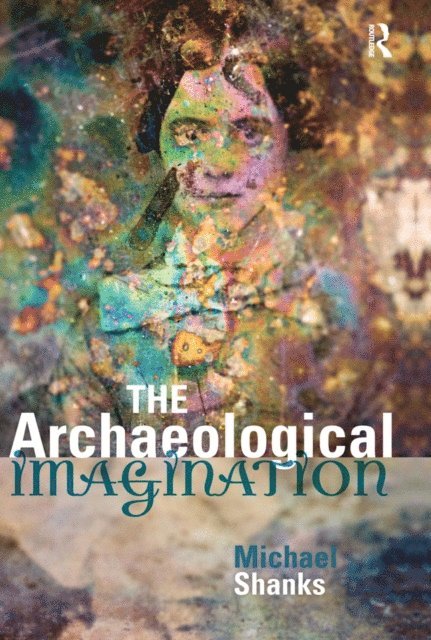
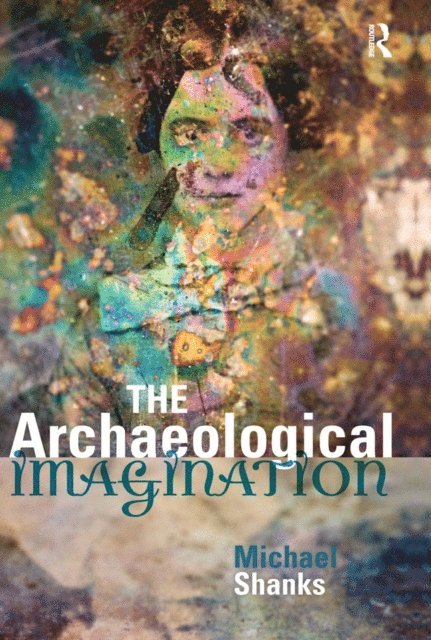
    Archaeological Imagination

    AvMichael Shanks

    Häftad, Engelska, 2012

    640 kr

    Beställningsvara. Skickas inom 10-15 vardagar. Fri frakt över 249 kr.

    Fler format och utgåvor

    E-bok

    762 kr

    E-bok

    760 kr

    Inbunden

    2 482 kr

    Beskrivning

    Archaeology is a way of acting and thinking—about what is left of the past, about the temporality of what remains, about material and temporal processes to which people and their goods are subject, about the processes of order and entropy, of making, consuming and discarding at the heart of human experience. These elements, and the practices that archaeologists follow to uncover them, is the essence of the archaeological imagination. In this extended essay, renowned archaeological theorist Michael Shanks offers his colleagues and students a window on this imaginative world of past and present and the creative role archaeology can play in uncovering it, analyzing it, and interpreting it.

    Produktinformation

    • Utgivningsdatum:2012-03-31
    • Mått:152 x 229 x 10 mm
    • Vikt:294 g
    • Format:Häftad
    • Språk:Engelska
    • Antal sidor:167
    • Förlag:Left Coast Press Inc
    • ISBN:9781598743623

    Utforska kategorier

    • Arkeologi: metod och teknik inom Historia och arkeologi

    Mer om författaren

    Michael Shanks is the Omar and Althea Dwyer Hoskins Professor of Classical Archaeology at Stanford University, a Director of Stanford Humanities Lab, Director of Metamedia in Stanford Archaeology Center, and a founder of Stanford Strategy Center. He has worked on the archaeology of early farmers in northern Europe, antiquarians in Scotland, Greek cities in the Mediterranean as well as the applications of archaeology to the contemporary world. His archaeology lab at Stanford is pioneering the use of Web 2.0 technologies to facilitate collaborative multidisciplinary research networks in design history, media materialities and long-term historical trends. His books, including ReConstructing Archaeology (1987), Social Theory and Archaeology (1987), Experiencing the Past (1992), Art and the Early Greek State (1999) and Theatre/Archaeology (2001) have made him a key figure in contemporary archaeological thought.

    Innehållsförteckning

    • Introduction; Chapter 1 We Are All Archaeologists Now; Chapter 2 Debatable Lands; Chapter 3 An Archaeological Narratology; Chapter 4 The Archaeological Imagination;