• Fri frakt över 249 kr
  • •
  • Snabba leveranser
  • •
  • Billiga böcker
Kundservice

Du är på sajten för privatpersoner.

Företag, bibliotek eller offentlig verksamhet?

Du handlar på classic.bokus.com, där alla dina funktioner finns intakta.
Till classic.bokus.com
Bokus logotyp. Gå till startsidan.
  • Erbjudanden
  • Nyheter
  • Student
  • Topplistor
  • Barn & ungdom
  • Bokus Play
  • E-böcker
  • Pocketböcker
  • Spel & pussel

10% rabatt på allt med kod: NYSTART10 →

Sidfot

Mina sidor

    Hjälp

    • Kundservice
    • Vanliga frågor och svar
    • Frakt och leverans
    • Retur vid ångerrätt
    • Reklamera vara
    • Betalning
    • Köpvillkor
    • Allmänna villkor
    • Information om webbplatsens tillgänglighet

    Om Bokus

    • Om oss
    • Pressrum
    • För studenter
    • För företag
    • För bibliotek och offentlig verksamhet
    • För leverantörer
    • Hållbarhet

    Populärt

    • Aktuella erbjudanden
    • Presentkort
    • Studentlitteratur
    • Nya böcker
    • Topplistor
    • Signerade böcker
    • Engelska böcker

    Inspiration

    • Boktips
    • BookTok
    • Populära bokserier
    • Barnbokskaraktärer
    • Populära författare
    Logotyp för Bokus
    Följ oss på Facebook (extern länk)Följ oss på Instagram (extern länk)Följ oss på YouTube (extern länk)Följ oss på TikTok (extern länk)
    bokus @ CookiesAnpassa cookiesIntegritetspolicyKöpvillkor
    Till Citymail hemsida (extern länk)Till Budbee hemsida (extern länk)Till Postnord hemsida (extern länk)Till Schenker hemsida (extern länk)Till Early Bird hemsida (extern länk)Till Walleys hemsida (extern länk)
    1. Samhälle och politik
    2. Samhälle och kultur
    3. Kultur och medier
    4. Referensverk och tvärvetenskap

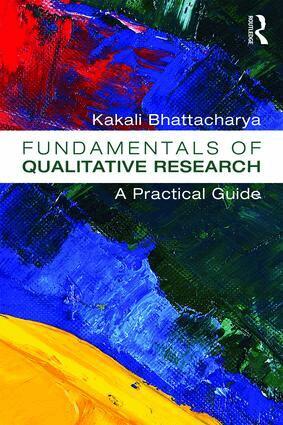
    Fundamentals of Qualitative Research

    A Practical Guide

    AvKakali Bhattacharya

    Häftad, Engelska, 2017

    643 kr

    Beställningsvara. Skickas inom 10-15 vardagar. Fri frakt över 249 kr.

    Fler format och utgåvor

    E-bok

    760 kr

    E-bok

    763 kr

    Inbunden

    2 151 kr

    Beskrivning

    This book is the road map to proficiency and development in the field of qualitative research. Borrowing from a wealth of experience teaching introductory qualitative research courses, author Kakali Bhattacharya lays out a dynamic program for learning different paradigms of inquiry, empowering students to recognize the convergence of popular research methodologies as well as the nuances and complexities that set each of them apart. Her book:supplements the readings and activities in a qualitative methods class, exposing students to the research process and the dominant types of qualitative research;introduces a variety of theoretical perspectives in qualitative research, including positivism and postpositivism, interpretivism, feminism, symbolic interactionism, phenomenology, hermeneutics, critical theory, and Critical Race Theory;identifies and summarizes the three dominant methodological approaches in qualitative research: narrative inquiry, grounded theory, and ethnography;provides interactive activities and exercises to help students crystallize their understanding of the different topics in each chapter.

    Produktinformation

    • Utgivningsdatum:2017-03-16
    • Mått:152 x 229 x 13 mm
    • Vikt:306 g
    • Format:Häftad
    • Språk:Engelska
    • Antal sidor:204
    • Förlag:Left Coast Press Inc
    • ISBN:9781611321333

    Utforska kategorier

    • Referensverk och tvärvetenskap inom Samhälle och politik

    Mer om författaren

    Kakali Bhattacharya, Ph.D., is an associate professor in the Department of Educational Leadership at Kansas State University.

    Recensioner i media

    This book provides an excellent approach for the entry level qualitative research methods course. The book provides needed guided activities for both instructors and students that focus on the basics as well as the complexities of qualitative research methods. What a great resource!Paul Schutz, Department of Educational Psychology, University of Texas at San AntonioThis text provides key concepts to students that support their foundational knowledge of QUAL including thinking through theoretical paradigms, different methodologies, and various fieldwork and analytical methods. But this text is different from the typical "Intro to QUAL" text; this one is personal, inviting readers to interact with the pages, take notes, write about the self, and consider the content in terms of "what would your own research look like." The author cares about the individual researcher and their progression of learning, engaging readers by asking questions and challenging them to think deeply, which is evidenced through the interactive lesson examples and real data provided from which students can practice various analyses. The author includes meaningful opportunities for readers to consider every aspect necessary for insightful, in-depth qualitative inquiry from initial conceptualization to representation and delivery of the work. This is a text I can’t wait to use in my own classroom. Lauren Moret, Ph.D., Assistant Professor of Qualitative Research Methodology, University of TennesseeFundamentals of Qualitative Research introduces students of qualitative research to the vast range of theories and methods used by qualitative researchers across disciplines. Written in a reader-friendly style, Kakali Bhattacharya’s book provides novices to qualitative research an up-to-date, informative, and accessible entrée to a range of ways to engage in qualitative research. Packed with practical activities, teaching tips, suggestions for additional reading, and reflective questions to help students make informed decisions as they design their projects, this book is an excellent resource for both newcomers to qualitative inquiry and their teachers.Kathryn Roulston, Professor & Program Coordinator, Qualitative Research Program, Department of Lifelong Education, Administration, and Policy, University of Georgia This is one of the most wanted pedagogical texts in qualitative research. Bhattacharya has masterfully put her imagination at work to create such an indispensable textbook for both fledgling qualitative researchers and teachers of qualitative research. The book thrives on the confluence of the dialectical nature: succinct but substantive; programmatic but theoretically grounded; structured but imaginative and inspirational. It is a must have for all of us in qualitative research. Jeong-Hee Kim, Ph.D., Professor of Curriculum Studies and Teacher Education, Department of Curriculum and Instruction, Texas Tech University"As someone who has been working to wrap their mind around qualitative inquiry for the past five years, I feel like this book is the inside track. In 204 pages, Bhattacharya accomplishes a descriptive overview, complete with a multitude of examples and thoughtful cautions, which seems to take other authors hundreds of pages. For the student who is new to this field, the length and manner of the book is inviting. This is certainly a text that would holdcentral position in any class I teach focused on qualitative research, and enough cannot be said for the of the way Bhattacharya sets up a ladder for us on the side of the ivory tower, and the focus is always on the meaning we derive from the work we do."Jason D. DeHart, Appalachian State University

    Innehållsförteckning

    • Using This Book 1 Unit 1: Meeting Qualitative Methods Intentions of This Unit Truth, Reality, and Meaning in ResearchObjectivist and Constructivist Ways of KnowingElements of Research Qualitative Research and Culture Qualitative Research and the Research Process 2 Unit 2: Terrain and Types of Qualitative Research Intentions of This Unit Terrain of Qualitative Research Academic Rigor in Qualitative Research Common Types of Qualitative Studies 3 Unit 3: Conceptualizing Qualitative Research Intentions of This Unit Subjectivities Change Your Language, Change Your Paradigm Thinking about Research PurposeThinking about Research Questions Data Sources in Qualitative Research 4 Unit 4: Working with Theoretical Frameworks Intentions of This Unit Positivism and Postpositivism Interpretivism Symbolic Interactionism Phenomenology Hermeneutics Critical Theories Critical Race TheoryFeminism5 Unit 5: Methodological Approaches to Qualitative InquiryIntentions of This UnitMethodological Approaches Narrative Inquiry Types of Narrative InquiryDesigning a Narrative Inquiry Study: Using Our Wiki ExamplePhenomenological InquiryTypes of Phenomenological InquiryDesigning a Phenomenological Study: Using Our Wiki ExampleGrounded TheoryTypes of Grounded Theory InquiryDesigning a Constructivist Grounded Theory Study: Using Our Wiki ExampleCase StudyTypes of Case Study InquiriesExample of a Multiple Case StudyData Analysis EthnographyTypes of Ethnographic ResearchConsiderations for EthnographyExample of a Mini Virtual Ethnography StudyData Analysis Process for a Mini Virtual Ethnography6 Unit 6: Data Collection MethodsIntentions of This UnitWhat Are Qualitative Interviews?The Interview ProcessTypes of Interview QuestionsTips and Strategies for Conducting Qualitative InterviewsWhat Are Observations?The Observation ProcessTips and Strategies for Conducting Participant ObservationsWhat are Documents in Qualitative Research?The Process of Collecting DocumentsExample of Documents Collected in Wiki Study and Trivia StudyTips and Strategies for Collecting Documents7 Unit 7: Data Analysis, Interpretation, and Re-PresentationIntentions of This Unit What Does Data Analysis Mean?What Is Inductive Analysis?An Approach to Inductive AnalysisDo Themes Really Emerge?An Example of Inductive AnalysisMapping as Inductive Analysis Interpretation and Data Re-Presentation in Qualitative ResearchCautions about Choosing Re-Presentations Re-Presenting Your StudyBut Writing Is Hard8 Unit 8: Pulling It All Together Intentions of This Unit Revisiting Your Research Interest Expand Your Thoughts about Your Research ProjectResearch Design and Theoretical Alignment Methods of Data Collection Data Analysis Methods Representation of Your Work Appendix AAppendix BReferences