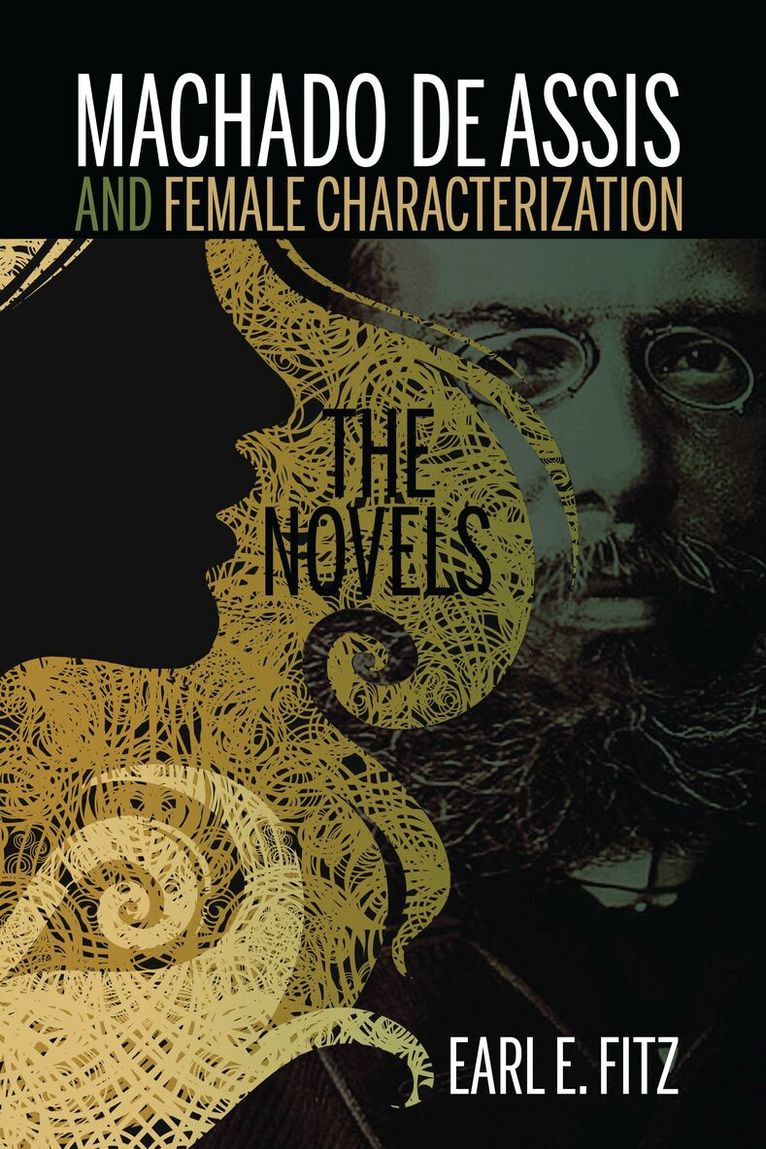
Häftad, Engelska, 2016
Machado de Assis and Female Characterization
The Novels
Av Earl E. Fitz
Del i serien Bucknell Studies in Latin American Literature and Theory
720 kr
Beställningsvara. Skickas inom 10-15 vardagar. Fri frakt över 249 kr.
Beskrivning
Produktinformation
- Utgivningsdatum: 2016-08-29
- Mått: 151 x 228 x 18 mm
- Vikt: 376 g
- Format: Häftad
- Språk: Engelska
- Serie: Bucknell Studies in Latin American Literature and Theory
- Antal sidor: 248
- Förlag: Associated University Presses
- ISBN: 9781611486247
Utforska kategorier
Mer om författaren
Earl E. Fitz is professor of Portuguese, Spanish, and comparative literature at Vanderbilt University.
Recensioner i media
This is a groundbreaking study of female characterization in the nine novels of Joaquim Maria de Machado de Assis (1839–1908), Brazil’s most prominent writer. Machado (as he is called in Brazil) is known for his memorable and strong female characters (Lívia, Guiomar, Helena, Iaiá, Virgília, Sofia, Capitu, Flora e Fidélia). Fitz provides background in a chapter on women as characters in 19th-century Brazilian fiction preceding Machado. Viewing the development of female characterization in the five late novels through feminist and post-structuralist viewpoints, Fitz reevaluates the presence and purpose of Machadean heroines, who embody ambiguity in language and symbolic forms that destabilize the social system. Female characters present important alternative viewpoints on value systems and structures of governance, suggesting a necessary radical revision of societal relationships. Summing Up: Essential. Upper-division undergraduates through faculty.
Betyg & recensioner
0 recensioner
Inga recensioner tillgängliga.