Inbunden, Engelska, 2017
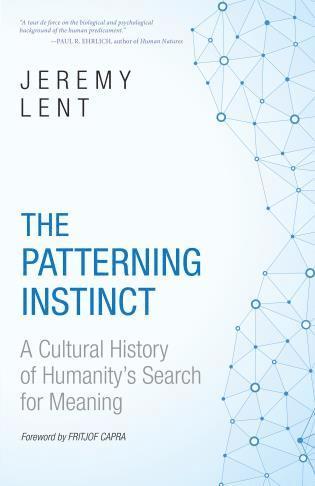
The Patterning Instinct
A Cultural History of Humanity's Search for Meaning
Av Jeremy Lent
332 kr
Beställningsvara. Skickas inom 3-6 vardagar. Fri frakt över 249 kr.
Fler format och utgåvor
Beskrivning
Produktinformation
- Utgivningsdatum: 2017-05-23
- Mått: 157 x 229 x 46 mm
- Vikt: 854 g
- Format: Inbunden
- Språk: Engelska
- Antal sidor: 576
- Förlag: Prometheus Books
- Medarbetare: Fritjof Capra
- ISBN: 9781633882935
Utforska kategorier
Mer om författaren
Jeremy R. Lent is a writer and the founder and president of the nonprofit Liology Institute, dedicated to fostering a worldview that could enable humanity to thrive sustainably on the earth. The Liology Institute (www.liology.org), which integrates systems science with ancient wisdom traditions, holds regular workshops and other events in the San Francisco Bay Area. Lent is the author of the novel Requiem of the Human Soul. Formerly, he was the founder, CEO, and chairman of a publicly traded Internet company. Lent holds a BA in English Literature from Cambridge University and an MBA from the University of Chicago.
Recensioner i media
""This fascinating, page-turning exploration of the human journey from the stone age to the space shuttle gives us powerful new ways to see ourselves. Deeply researched, and written with great clarity and style, this book is also full of hope about humanity’s possibilities in the twenty-first century.” —Rick Hanson, PhD, author of Buddha’s Brain: The Practical Neuroscience of Happiness, Love, and Wisdom“A tour de force on the biological and psychological background of the human predicament. If you are concerned about our future, you should know about our past. This amazing, well-documented book should be read by every college student and every congressman.”—Paul R. Ehrlich, author of Human Natures“A brilliant deep dive into the history of human cultures that brings us to today’s cultural dysfunctions that threaten the planet. Insight, illumination, and potential ways out of the seeming dead end that we’ve walked ourselves into. I would recommend it!”—Thom Hartmann, author of The Last Hours of Agent Sunlight“In prose that is a joy to read, Lent takes us on a tour of human history, guided by systems theory and cognitive science, to argue for the prominence of culture and the habits of the mind in shaping our collective destiny. If you’ve been too busy for the last twenty years to pay attention to the big ideas about the nature of the human animal, the engines of history, our place in the biosphere, and the shape of things to come, Lent can bring you up to date painlessly.” —J. R. McNeill, University Professor, Georgetown University, and author of Something New Under the Sun “The Patterning Instinct is a must-read for anyone concerned about the future of humanity. The book delves beneath the surface of problems facing our world today to examine the dominant cultural assumptions that lie at their root. The book thoughtfully traces how views about human nature and the natural world in both Eastern and Western culture have shaped history and how the emerging global culture of connectedness and the systems view of life may hold the key to humanity’s evolution and future survival.” —Atossa Soltani, Amazon Watch founder and president“This breathtaking book is already a classic. With its unique synthesis of thought history, actual historical events, and cultural patterns, it does what no other work has achieved since Lovejoy’s The Great Chain of Being. Lent explains in one sweeping argument why global civilization has separated from life. And he shows how we can find our way back into it. Lent narrates the history of humanity’s growing alienation from a shared biosphere and from our own feeling bodies with the suspense and art of a novelist. It is heart-wrenching to see to what degree thought patterns can form not only our worldview, but the actual world, handing it over to destruction. The good message though is Lent proves that humanity’s destructiveness is not God-given; it is, as any cultural pattern, reversible. That is our chance.” —Andreas Weber, author of The Biology of Wonder: Aliveness, Feeling, and the Metamorphosis of Science“Shell-shocked liberals and progressives are casting around to explain the political setbacks of 2016. The Patterning Instinct tells us that seeking answers from recent history is likely to prove forlorn; deep-seated patterns in the way we both think and behave have predisposed us to acting in ways that are self-evidently irrational and against our own interests. To have any hope of transforming this perverse and potentially apocalyptic worldview, we will need to dig much deeper into our own history—and this extraordinary book provides an authoritative and inspirational guide.”—Jonathon Porritt, environmentalist and author
Betyg & recensioner
2 recensioner, genomsnitt 4.5/5
- 4/5 Gunnar
Lent säger att det mest grundläggande hos mänskligheten är instinkten att urskilja mönster i en kaotisk verklighet.
Man ser det tex hos små barn, när de först hör föräldrarnas språkljud, så småningom urskiljer betydelser.
Tidigt kan de skilja ut det språk föräldrarna använder, och reagerar inte lika mycket på främmande språk.
Jeremy Lent gör en kulturhistorisk undersökning över mänsklighetens försök att hitta mönster, betydelser i "det okända" hon befinner sig i.
Till exempel drar han fram att ursprungsfolkens myter som visar att vårt släkte (jägare samlare) uppfattade sig som i ett nära förhållande till bytesdjur, naturkrafter.
Och att de eftersträvade en harmonisk relation till den natur, som de levde genom.
Sen utvecklas dessa tidiga versioner till alltmer avancerade religiösa, filosofiska föreställningar av den typ vi har idag. Bland annat den kristna metaforen, att naturen är något otyglat, syndigt som ska erövras, förädlas av den kristna människan.
Varje ny generation föds in i "instinktivt härledda" mönster, och tvingas förstås ta mycket för givet. En hel del är felaktigt, missförstånd, fördomar, övertro. När en kultur instinktivt skapar ett mönster, gör de ett urval av detaljer, ramar in dem, men utesluter också av nödvändighet en massa andra detaljer.
Jeremy Lent menar att vi, i den moderna kulturens uppfattning av evolutionen, lägger för stor tonvikt på den själviska kampen för tillvaron, att det också existerar samverkan / samarbete i naturen. Organismerna tenderar att uppfattas som, och reduceras till "maskiner" (Jfr Richard Dawkins, Den Blinde Urmakaren).
Kulturella mönster som bygger på reduktionistisk analys har dock resulterat i teknologi som gett upphov till epokgörande framsteg. Den industriella revolutionen. Informationsåldern.
Problem uppstår för moderna samhällen när man i dem fokuserar helt på de reduktionistiska bilden.
Vi behöver , enligt Jeremy Lent, hålla i minnet och fokusera på den enorma komplexitet som världen och livet består av. "Naturen som våra Föräldrar" - en metafor som karaktäriserade jägare/samlar kulturer.
Som alternativ betonar man då den flytande interaktivitet, samspelet mellan delarna (något som också studeras i den ekologiska vetenskapen).
Vad jag själv uppskattar i Lents framställning är att han avvisar tanken att det främst är det egoistiska vinstintresset som driver fram mänskligheten.
Tex drar han fram hur länge slaveriet ansågs som normalt, och nödvändigt för affärerna.
Oppositionen mot detta kom från enstaka individers vars känslor och tankar motsatte sig det dominerande tänkesättet.
Alltså, kan man säga att en av Jeremy Lents poänger är att framhäva intelligens och kunskap i djupare mening är de avgörande ingredienser som humaniserar människan.
Finner att boken delvis formar sig till en "grön" kritik av kapitalismen. Bitvis också en vision som bygger på ett unikt stort spektrum av kunskaper inom biologi, religionshistoria, lingvistik, filosofi med mera. - 5/5 Jan-Olof N