• Fri frakt över 249 kr
  • •
  • Snabba leveranser
  • •
  • Billiga böcker
Kundservice

Du är på sajten för privatpersoner.

Företag, bibliotek eller offentlig verksamhet?

Du handlar på classic.bokus.com, där alla dina funktioner finns intakta.
Till classic.bokus.com
Bokus logotyp. Gå till startsidan.
  • Erbjudanden
  • Nyheter
  • Student
  • Topplistor
  • Barn & ungdom
  • Bokus Play
  • E-böcker
  • Pocketböcker
  • Spel & pussel

10% rabatt på allt med kod NYSTART10 →

Sidfot

Mina sidor

    Hjälp

    • Kundservice
    • Vanliga frågor och svar
    • Frakt och leverans
    • Retur vid ångerrätt
    • Reklamera vara
    • Betalning
    • Köpvillkor
    • Allmänna villkor
    • Information om webbplatsens tillgänglighet

    Om Bokus

    • Om oss
    • Pressrum
    • För studenter
    • För företag
    • För bibliotek och offentlig verksamhet
    • För leverantörer
    • Hållbarhet

    Populärt

    • Aktuella erbjudanden
    • Presentkort
    • Studentlitteratur
    • Nya böcker
    • Topplistor
    • Signerade böcker
    • Engelska böcker

    Inspiration

    • Boktips
    • BookTok
    • Populära bokserier
    • Barnbokskaraktärer
    • Populära författare
    Logotyp för Bokus
    Följ oss på Facebook (extern länk)Följ oss på Instagram (extern länk)Följ oss på YouTube (extern länk)Följ oss på TikTok (extern länk)
    bokus @ CookiesAnpassa cookiesIntegritetspolicyKöpvillkor
    Till Citymail hemsida (extern länk)Till Budbee hemsida (extern länk)Till Postnord hemsida (extern länk)Till Schenker hemsida (extern länk)Till Early Bird hemsida (extern länk)Till Walleys hemsida (extern länk)
    1. Medicin
    2. Andra medicinska specialiteter
    3. Behandling och behandlingsmetoder
    4. Tal- och språkstörningar

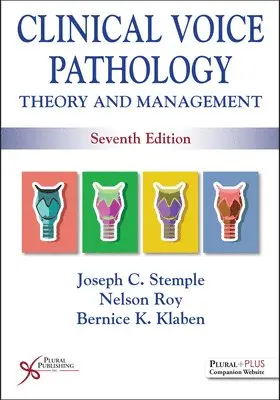
    Clinical Voice Pathology

    Theory and Management

    AvJoseph C. Stemple,Nelson Roy

    Häftad, Engelska, 2024

    2 474 kr

    Beställningsvara. Skickas inom 5-8 vardagar. Fri frakt över 249 kr.

    Fler format och utgåvor

    Häftad

    2 546 kr

    Beskrivning

    Includes 200+ audio and/or audio-video cases illustrating the range and variety of voice- and upper-airway related disorders, as well as techniques employed in their assessment and management!Clinical Voice Pathology: Theory and Management, a classic text now in its seventh edition, is a comprehensive resource that addresses the history, anatomy, physiology, etiologies, pathologies, and contemporary issues related to the assessment and management of the voice and related disorders. While continuing to provide the graduate speech-language pathology student with the knowledge necessary to evaluate and treat an impressive array of voice disorders, the text now includes two new chapters that focus on the expanding role of the speech-language pathologist in (1) upper airway disorders (including chronic refractory cough as well as inducible- and exercise-induced laryngeal obstruction), and (2) gender-affirming voice and communication training. With a foundation rooted in science, combined with the vast clinical and research expertise of the authors, students and practicing clinicians will be equipped with the knowledge necessary to effectively assess and manage not only a wide range of voice and upper airway disorders, but also individuals who seek gender-affirming voice care.Individuals with diverse voice and airway related issues, such as professional voice users, performers, patients with laryngeal cancer, or who are tracheostomy and ventilator-dependent are often complex and demand a clinician who possesses an extraordinary depth and breadth of knowledge. To facilitate the acquisition of this knowledge, this text offers a wealth of visual aids, including artwork, case studies, and a companion website with extensive audiovisual instructional materials. These features not only maintain the high standards set by previous editions but further enhance the learning experience. New to the Seventh EditionA new chapter describing the SLP's roles and responsibilities in the assessment and management of upper airway disorders including chronic refractory cough (CRC), inducible laryngeal obstruction (ILO) and exercise-induced laryngeal obstruction (EILO). A new chapter on gender-affirming voice and communication training for transgender and gender-diverse individuals including approaches to gender-affirming health care. Additional extensive audio and video examples of clinical cases and related treatment outcomes. Instructional "how-to" videos demonstrating important procedural aspects of assessment (eg, focal laryngeal palpation, voice stimulability testing) and specific evidence-based voice therapies including manual laryngeal reposturing, circumlaryngeal massage, vocal function exercises, and resonant voice therapy. Continued focus on enhancements to instruction and learning, including use of "Call-Out" boxes to highlight cases and encourage additional discussion.Updated references throughout the text to reflect the current state of clinical research and practice.Key FeaturesNew Chapters on (i) Upper airway disorders and (ii) Gender-affirming voice careFull-color text and imagesNumerous Call Out boxesMultiple helpful appendices

    Produktinformation

    • Utgivningsdatum:2024-11-25
    • Mått:254 x 178 x 28 mm
    • Vikt:1 334 g
    • Format:Häftad
    • Språk:Engelska
    • Antal sidor:644
    • Upplaga:7
    • Förlag:Plural Publishing Inc
    • ISBN:9781635506181

    Utforska kategorier

    • Tal- och språkstörningar inom Medicin

    Mer om författaren

    Joseph C. Stemple, PhD, CCC-SLP, ASHAF, is Professor Emeritus in the Department of Communication Sciences and Disorders, College of Health Sciences, University of Kentucky. Prior to his academic career he was the founder and director of the Blaine Block Institute for Voice Analysis and Rehabilitation, Dayton, Ohio and the Professional Voice Center of Greater Cincinnati. As co-director of the UK Laryngeal and Speech Dynamics Lab, his research focused on understanding voice disorders, specifically cell to society translational research. The overarching research goal was to enhance vocal function in those with voice disorders. He is a Fellow and Honors recipient of the American Speech Language Hearing Association. Nelson Roy, PhD, CCC-SLP, ASHAF, is a Professor of speech-language pathology in the Department of Communication Sciences and Disorders at The University of Utah, where he specializes in the study of the voice and its disorders. Dr. Roy has published extensively on the topic of voice disorders including epidemiology, psychological/personality factors, treatment outcomes, differential diagnosis, acoustics, and the direct and indirect economic costs of disordered voice. Dr. Roy is a Fellow of the American Speech-Language-Hearing Association.Bernice K. Klaben, PhD, CCC-SLP, BCS-S, is an Assistant Professor in the Department of Otolaryngology-Head and Neck Surgery at the University of Cincinnati Medical Center. She is an Adjunct Professor in the College of Allied Health Sciences in the UC Communication Science Department. Her specialty is in voice, dysphagia, and head and neck cancer. She is board recognized in swallowing and swallowing disorders. Dr. Klaben was selected as a Senior Fullbright Scholar, has professionally co-authored books and research articles, presented at national conferences, given numerous presentations and seminars in the areas of voice and swallowing, and has served as mentor to many students in the field of speech pathology. She believes in finding strength within to tackle the challenges presented to us.

    Innehållsförteckning

    • Preface ContributorsChapter 1. Voice: A Historical PerspectiveIntroductionDefinition of a Voice DisorderRole and Skills of the Speech-Language PathologistAncient HistoryFolklore RemediesEgyptian PapyriHindu WritingsHippocratesAristotleClaudius GalenusThe RenaissanceThe 17th to 19th CenturiesThe Laryngeal MirrorFurther AdvancementsVoice TherapyClinical Voice PathologyArtistic and Scientific Ingredients of Voice PathologySummary and Concluding RemarksReferencesChapter 2. Anatomy and PhysiologyOverviewAnatomyThe Laryngeal ValveRespiration for PhonationVocal Tract ResonanceStructural Support for the LarynxHyoid BoneLaryngeal CartilagesMusclesMuscles for Respiration: Inspiration and ExhalationLaryngeal Muscles True Folds, Ventricular (False) Folds, and Ventricle Vocal Fold MicrostructureEpitheliumBasement Membrane ZoneLamina PropriaVocalis Muscle Blood Supply and SecretionsNeurologic SupplyCentral Nervous System ControlPeripheral InnervationLaryngeal ReflexesDevelopmental ChangesVocal Folds in Older AdultsDNA Microarray Gene Expression AnalysisPhysiology of PhonationTheories of VibrationFundamental Frequency ControlIntensity ControlPhonation Modes and Voice Quality Control SummaryReferencesChapter 3. Etiologies of Voice Disorders Etiologies of PhonotraumaPhonotraumaInappropriate Vocal Components Medically Related EtiologiesDirect SurgeryIndirect SurgeryChronic Illnesses and DisordersPrimary Disorder EtiologiesPersonality-Related EtiologiesEnvironmental/Life Stress SummaryReferencesChapter 4. Pathologies of the Laryngeal MechanismPrevalence of Voice DisordersPathology ClassificationsStructural Pathologies of the Vocal FoldCongenital and Maturational Changes Affecting VoiceCongenital Webs (Synechia)Inflammatory Conditions of the Larynx Cricoarytenoid and Cricothyroid ArthritisTrauma or Injury of the Larynx Systemic Conditions Affecting VoiceEndocrine DisordersHypothyroidism and HyperthyroidismImmunologic DisordersAllergiesNonlaryngeal Aerodigestive Disorders Affecting VoiceRespiratory DiseasesPsychiatric and Psychological Disorders Affecting VoiceNeurologic Disorders Affecting VoiceMovement Disorders Affecting the LarynxSpasmodic DysphoniaCentral Neurologic Disorders Affecting VoiceAmyotrophic Lateral Sclerosis (ALS)Other Disorders of Voice UseSummaryReferencesChapter 5. The Diagnostic Voice EvaluationThe Management TeamPatient ProfileReferral SourcesMedical EvaluationVoice Pathology EvaluationDiagnostic Voice EvaluationReferralReason for the ReferralHistory of the ProblemOral-Peripheral ExaminationAuditory-Perceptual Voice AssessmentFocal Palpation of the Paralaryngeal RegionVoice Stimulability Testing/Assessment (Diagnostic Probes)Patient Self-Assessment of the Voice DisorderImpressionsPrognosisRecommendationsAdditional ConsiderationsSummaryReferencesAppendix 5-A. Sample ReportAppendix 5-B. Consensus Auditory-Perceptual Evaluation of Voice (CAPE-V)Appendix 5-C. The Rainbow PassageAppendix 5-D. Vocal Component ChecklistAppendix 5-E. Voice Handicap Index (VHI), Henry Ford HospitalChapter 6. Instrumental Measurement of VoiceClinical UtilityBasics of Technical InstrumentsMicrophones and Recording EnvironmentDigital Signal ProcessingAcoustic MeasuresPitch Detection AlgorithmFundamental FrequencyIntensityVoice Range Profile, Phonetogram, and Physiologic Frequency Range of PhonationPerturbation MeasuresSignal (or Harmonic)-to-Noise RatiosSpectral AnalysisAerodynamic MeasuresCalibrationPressure, Flow, Resistance, and Ohm's LawAirflow EquipmentFlow MeasurementSubglottal Air Pressure MeasurementPhonation Threshold PressureLaryngeal ResistanceInverse FilterLaryngeal ImagingEndoscopyStroboscopyHigh-Speed Digital ImagingKymographyCriteria for Laryngeal ImagingEndoscopic Imaging TechniquesRecording ProtocolVisual-Perceptual JudgmentsElectroglottography (EGG)Laryngeal Electromyography (LEMG)Normative InformationElectrical SafetyHygienic SafetyThe Clinical Voice LaboratoryCaveats and Additional ConsiderationsGlossaryAcousticsAerodynamicsImagingReferencesAppendix 6-A. Joint Statement: ASHA and AAO-HNSAppendix 6-B. Vocal Tract Visualization and Imaging: Position StatementChapter 7. Survey of Voice ManagementVoice Therapy OrientationsHygienic Voice TherapySymptomatic Voice TherapyPsychogenic Voice TherapyPhysiologic Voice TherapyEclectic Voice TherapyCase Study 1: Representing Voice Therapy OrientationsHygienic Voice TherapyTreatment Strategies for Vocally Traumatic BehaviorVocal Hygiene Therapy ApproachesCase Study 2: The HomemakerCase Study 3: The Noisy Job EnvironmentCase Study 4: The Public SpeakerCase Study 5: Phonotrauma in ChildrenCase Study 6: Can We Always Expect Success?HydrationConfidential VoiceSymptomatic Voice TherapyTherapy Approaches for RespirationTherapy Approaches for PhonationTherapy Approaches for ResonanceTherapy Approaches for PitchCase Study 7: The Pseudoauthoritative VoiceCase Study 8: The Voice SaverCase Study 9: Emotional Voice ChangesTherapy Approaches for Loudness ModificationTherapy Approaches for Rate ModificationTreatment Approaches for Paralaryngeal Muscle TensionCase Study 10: Ventricular PhonationPsychogenic Voice TherapyFunctional Aphonia/DysphoniaFunctional FalsettoPhysiologic Voice TherapyCase Study 11: Laryngeal Muscle ImbalanceCase Study 12: The Postsurgical PatientCase Study 13: The Aging VoiceThe Semioccluded Vocal TractSpeech-Based SOVT TherapyAccent Method of Voice TherapyFlow PhonationLee Silverman Voice Treatment (LSVT) (TM)Phonation Resistance Training Exercise (PhoRTETM)Conversation Training Therapy (CTT)Team Management of Specific Laryngeal PathologiesVocal Fold Cover LesionsLaryngopharyngeal Reflux (LPR) and Gastroesophageal Reflux Disease (GERD)Unilateral Vocal Fold ParalysisCase Study 14: Unilateral Vocal Fold ParalysisSpasmodic Dysphonia Essential TremorSuccessful Voice TherapyReferencesAppendix 7-A. Phrases and Sentences Graduated in LengthChapter 8. The Professional VoiceOverviewThe Professional Voice UserHistory The "At-Risk" StatusProfessional RolesThe Otolaryngologist The Voice PathologistThe ProducerThe Agent or ManagerClinical PathwaysOtolaryngology-Voice Pathology-Voice PedagogyVoice Pedagogy-Otolaryngology-Voice PathologyVoice Pedagogy-Voice Pathology-OtolaryngologyOtolaryngology-Voice PedagogyVoice Pathology-Voice PedagogyVocal Types and Vocal RangeCategories of SingersVocal RegistersCommon Etiology FactorsPersonality FactorsPhonotraumaDrugsHydrationCommon PathologiesAcute and Chronic Noninfectious LaryngitisVocal NodulesContact Ulcers and GranulomasGastroesophageal Reflux Disease/Laryngopharyngeal RefluxVoice FatigueVocal Fold Hemorrhage and Vascular PathologiesClinical Assessment of the Vocal PerformerSupportive Training and TechniquesSummaryGlossary of Terms Used in SingingReferencesChapter 9. Rehabilitation of the Laryngectomized PatientOverviewIncidence of Laryngeal CancerEtiologySymptoms of Laryngeal CancerMedical EvaluationStaging and Tumor-Node-Metastasis ClassificationsLymph Node DistributionTreatment OptionsConservationCombined TreatmentsRadiation TherapySurgeryConcurrent ChemoradiotherapyMethods of ReconstructionMultidisciplinary Rehabilitation TeamSpecial Concerns of the Laryngectomized PatientCommunicationPhysical ConcernsPsychosocial ConcernsSpeech RehabilitationArtificial LaryngesEsophageal SpeechSurgical ProstheticsRole of the Speech-Language Pathologist and Surgical ProstheticsPatient EvaluationPatient FittingIndependent CareMaximizing CommunicationHands-Free Speaking ValveSummaryHelpful Websites on Head and Neck CancersMajor Medical Suppliers for LaryngectomeesReferencesChapter 10. Artificial Airway and Mechanical VentilationTammy L. Wigginton and Mark R. FinfrockIntroductionArtificial AirwayNasopharyngeal AirwayOropharyngeal AirwayLaryngeal Mask AirwayEndotracheal IntubationTracheotomyTracheostomy ComplicationsCommunication Options for Patients With a TracheostomyMechanical VentilationMechanical Ventilation TerminologyStrategies for Restoring Verbal Communication for Ventilator-Dependent PatientsNoninvasive Ventilation Speech ChallengesInvasive Ventilation Speech ChallengesSummaryReferencesChapter 11. Upper Airway Disorders: Chronic Refractory Cough and Inducible Laryngeal ObstructionOverviewChronic Refractory Cough (CRC)Neurophysiology of CoughAssessment and DiagnosisCough Assessment MeasuresCough-Related Quality of Life Measures Transnasal Flexible Laryngoscopy Treatments for Chronic Refractory CoughNeuromodulator MedicationsBehavioral Cough Suppression Therapy1. Education2. Training in Active Cough Suppression and/or Cough Replacement Techniques3. Reducing Laryngeal Irritation4. Psychoeducational CounselingEvidence to Support Speech-Language Pathology TreatmentLaryngeal Procedures for CRC Inducible Laryngeal Obstruction (ILO)Assessment and Diagnosis of ILO Features That Distinguish ILO Versus AsthmaDifferences Between ILO and Asthma on Pulmonary Function Tests Transnasal Flexible Laryngoscopy TFL With Provocation TestingILO-Related Quality of Life MeasuresManagement of ILO Evidence to Support TreatmentExercise-Induced Laryngeal Obstruction (EILO)Evaluation of EILOManagement of EILOReferencesGlossary of TermChapter 12. Gender-Affirming Voice CareBrett R. MyersOverviewBackground and TerminologyInterdisciplinary Care of the VoiceHormone TherapyLaryngeal SurgerySurgical Techniques for FeminizationSurgical Techniques for MasculinizationImportance of Interdisciplinary CareGender-Affirming Voice AssessmentCase HistoryPatient-Reported Outcome MeasuresPerceptual Assessment Acoustic AssessmentBehavioral Voice TreatmentCounselingVoice Training TechniquesConsiderations for Young PeopleTelepracticeGroup TrainingSinging VoiceSummaryReferencesAppendix 12-A. Trans Woman Voice Questionnaire (TWVQ)Appendix 12-B. Utah Gender Presentation Scale for Communication (U-GPS) Index