
Life After Death
Steven B. Cowan, Graham Oppy, David Apolloni, Shyam Ranganathan, Joshua R. Farris
Inbunden, 2026
1 187 kr
1 256 kr
Beställningsvara. Skickas inom 10-15 vardagar. Fri frakt över 249 kr.
Steven B. Cowan, Graham Oppy, David Apolloni, Shyam Ranganathan, Joshua R. Farris
Inbunden, 2026
1 187 kr

Steven B. Cowan, Graham Oppy, David Apolloni, Shyam Ranganathan, Joshua R. Farris
1 296 kr

Steven B. Cowan, Graham Oppy, David Apolloni, Shyam Ranganathan, Joshua R. Farris
1 283 kr
Steven B. Cowan, Graham Oppy, David Apolloni, Shyam Ranganathan, Joshua R. Farris
1 283 kr
Steven B. Cowan, Graham Oppy, David Apolloni, Shyam Ranganathan, Joshua R. Farris
Inbunden, 2026
1 187 kr
Steven B. Cowan, Graham Oppy, David Apolloni, Shyam Ranganathan, Joshua R. Farris
1 296 kr




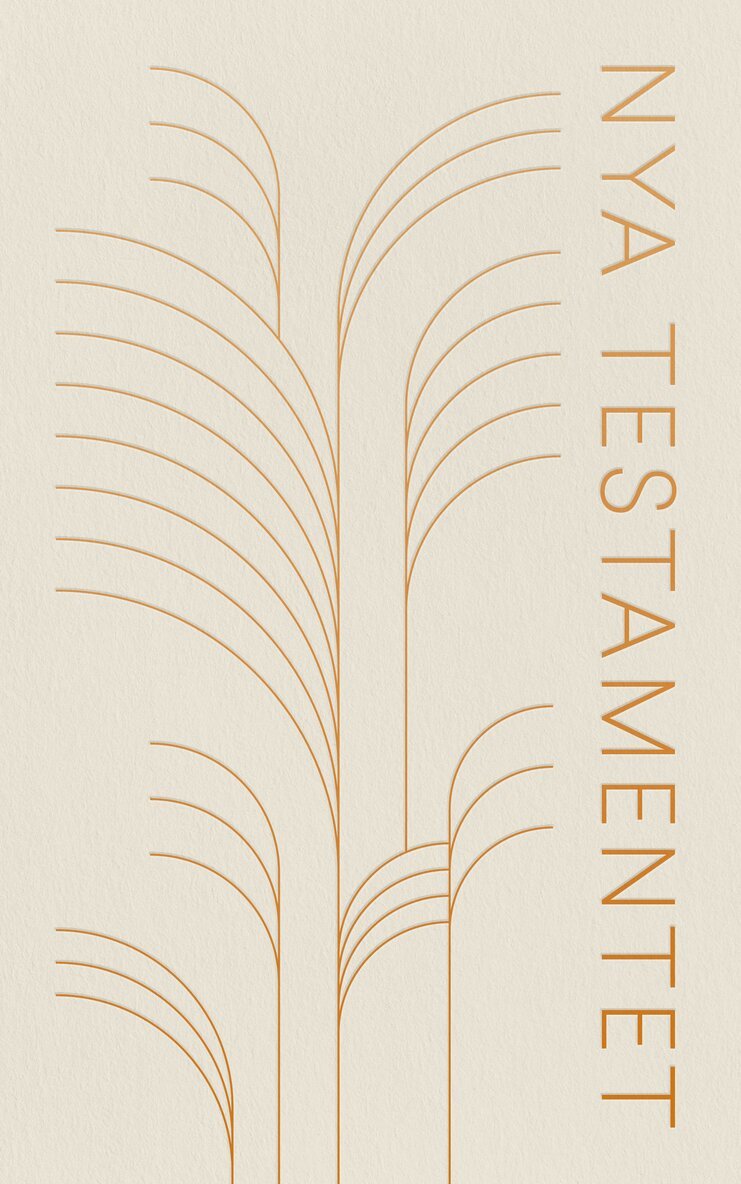

1 256 kr
Beställningsvara. Skickas inom 10-15 vardagar. Fri frakt över 249 kr.
Steven B. Cowan, Graham Oppy, David Apolloni, Shyam Ranganathan, Joshua R. Farris
Inbunden, 2026
1 187 kr
Steven B. Cowan, Graham Oppy, David Apolloni, Shyam Ranganathan, Joshua R. Farris
1 296 kr
Steven B. Cowan, Graham Oppy, David Apolloni, Shyam Ranganathan, Joshua R. Farris
1 283 kr
Steven B. Cowan, Graham Oppy, David Apolloni, Shyam Ranganathan, Joshua R. Farris
1 283 kr
Steven B. Cowan, Graham Oppy, David Apolloni, Shyam Ranganathan, Joshua R. Farris
Inbunden, 2026
1 187 kr
Steven B. Cowan, Graham Oppy, David Apolloni, Shyam Ranganathan, Joshua R. Farris
1 296 kr
1 256 kr
Beställningsvara. Skickas inom 10-15 vardagar. Fri frakt över 249 kr.
Steven B. Cowan, Graham Oppy, David Apolloni, Shyam Ranganathan, Joshua R. Farris
Inbunden, 2026
1 187 kr
Steven B. Cowan, Graham Oppy, David Apolloni, Shyam Ranganathan, Joshua R. Farris
1 296 kr
Steven B. Cowan, Graham Oppy, David Apolloni, Shyam Ranganathan, Joshua R. Farris
1 283 kr
Steven B. Cowan, Graham Oppy, David Apolloni, Shyam Ranganathan, Joshua R. Farris
1 283 kr
Steven B. Cowan, Graham Oppy, David Apolloni, Shyam Ranganathan, Joshua R. Farris
Inbunden, 2026
1 187 kr
Steven B. Cowan, Graham Oppy, David Apolloni, Shyam Ranganathan, Joshua R. Farris
1 296 kr