Inbunden, Engelska, 2023
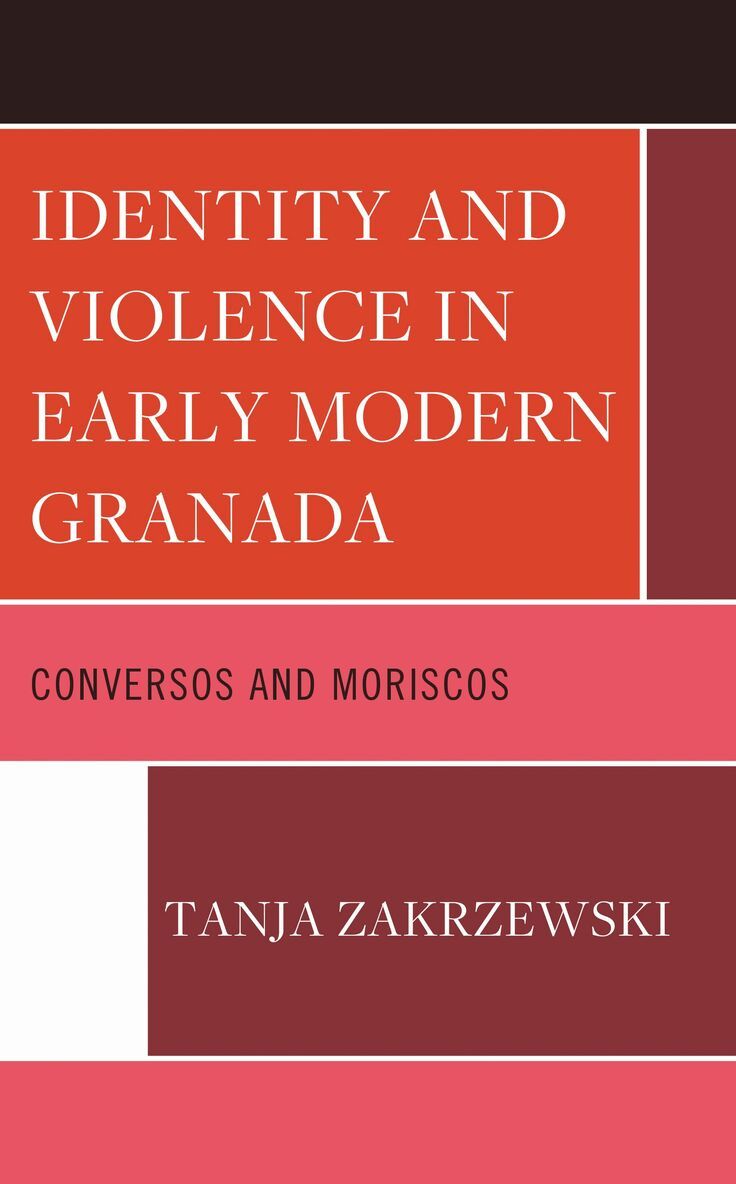
Identity and Violence in Early Modern Granada
Conversos and Moriscos
Del i serien Bloomsbury Studies in Modern Jewish History, Historiography, and Memory
1239 kr
Beställningsvara. Skickas inom 10-15 vardagar. Fri frakt över 249 kr.
Beskrivning
Produktinformation
- Utgivningsdatum: 2023-04-15
- Mått: 162 x 230 x 20 mm
- Vikt: 508 g
- Format: Inbunden
- Språk: Engelska
- Serie: Bloomsbury Studies in Modern Jewish History, Historiography, and Memory
- Antal sidor: 254
- Förlag: Bloomsbury Publishing Plc
- ISBN: 9781666915341
Utforska kategorier
Mer om författaren
Tanja Zakrzewski is research fellow in the Centre for Early Modern History and Institute for Jewish Studies and Religious Studies at the University of Potsdam.
Recensioner i media
In this lucid, methodologically sensible, and well-written work, Tanja Zakrzewski does something that has hitherto been rare: She attempts to deliver an 'entangled history' of early modern New Christians (judeoconversos) and Moriscos. Instead of treating conflicts involving these ethnic populations merely as matters of distinct “religions,” she concentrates on the formative influence that intercommunal conflict exerted upon both disadvantaged groups more or less simultaneously and with broadly similar effects. Specifically, Zakrzewski demonstrates how, in grappling with Christian hostility and persecution against Moriscos, one judeoconverso and two Morisco authors (re)formulated the identities of Granada's ethnoreligious and political communities by contesting yet also engaging dominant Christian definitions of culture.As a work of philology and an exercise in the historical contextualization of texts, Identity and Violence in Early Modern Granada summons new possibilities in the study of relations between the ethnoreligious groups that comprised Granada's cultural tapestry in the sixteenth and seventeenth centuries; of rhetoric as a shared tool of identity formation; and of the creative search for dignity and social belonging under conditions of duress. Social scientists and humanists alike will benefit from the work's clear and sophisticated approach to phenomena of self-definition and boundary-setting.
Betyg & recensioner
0 recensioner
Inga recensioner tillgängliga.