• Fri frakt över 249 kr
  • •
  • Snabba leveranser
  • •
  • Billiga böcker
Kundservice

Du är på sajten för privatpersoner.

Företag, bibliotek eller offentlig verksamhet?

Du handlar på classic.bokus.com, där alla dina funktioner finns intakta.
Till classic.bokus.com
Bokus logotyp. Gå till startsidan.
  • Erbjudanden
  • Nyheter
  • Student
  • Topplistor
  • Barn & ungdom
  • Bokus Play
  • E-böcker
  • Pocketböcker
  • Spel & pussel

10% rabatt på allt med kod NYSTART10 →

Sidfot

Mina sidor

    Hjälp

    • Kundservice
    • Vanliga frågor och svar
    • Frakt och leverans
    • Retur vid ångerrätt
    • Reklamera vara
    • Betalning
    • Köpvillkor
    • Allmänna villkor
    • Information om webbplatsens tillgänglighet

    Om Bokus

    • Om oss
    • Pressrum
    • För studenter
    • För företag
    • För bibliotek och offentlig verksamhet
    • För leverantörer
    • Hållbarhet

    Populärt

    • Aktuella erbjudanden
    • Presentkort
    • Studentlitteratur
    • Nya böcker
    • Topplistor
    • Signerade böcker
    • Engelska böcker

    Inspiration

    • Boktips
    • BookTok
    • Populära bokserier
    • Barnbokskaraktärer
    • Populära författare
    Logotyp för Bokus
    Följ oss på Facebook (extern länk)Följ oss på Instagram (extern länk)Följ oss på YouTube (extern länk)Följ oss på TikTok (extern länk)
    bokus @ CookiesAnpassa cookiesIntegritetspolicyKöpvillkor
    Till Citymail hemsida (extern länk)Till Budbee hemsida (extern länk)Till Postnord hemsida (extern länk)Till Schenker hemsida (extern länk)Till Early Bird hemsida (extern länk)Till Walleys hemsida (extern länk)
    1. Filosofi och religion
    2. Filosofi
    3. Filosofiska discipliner

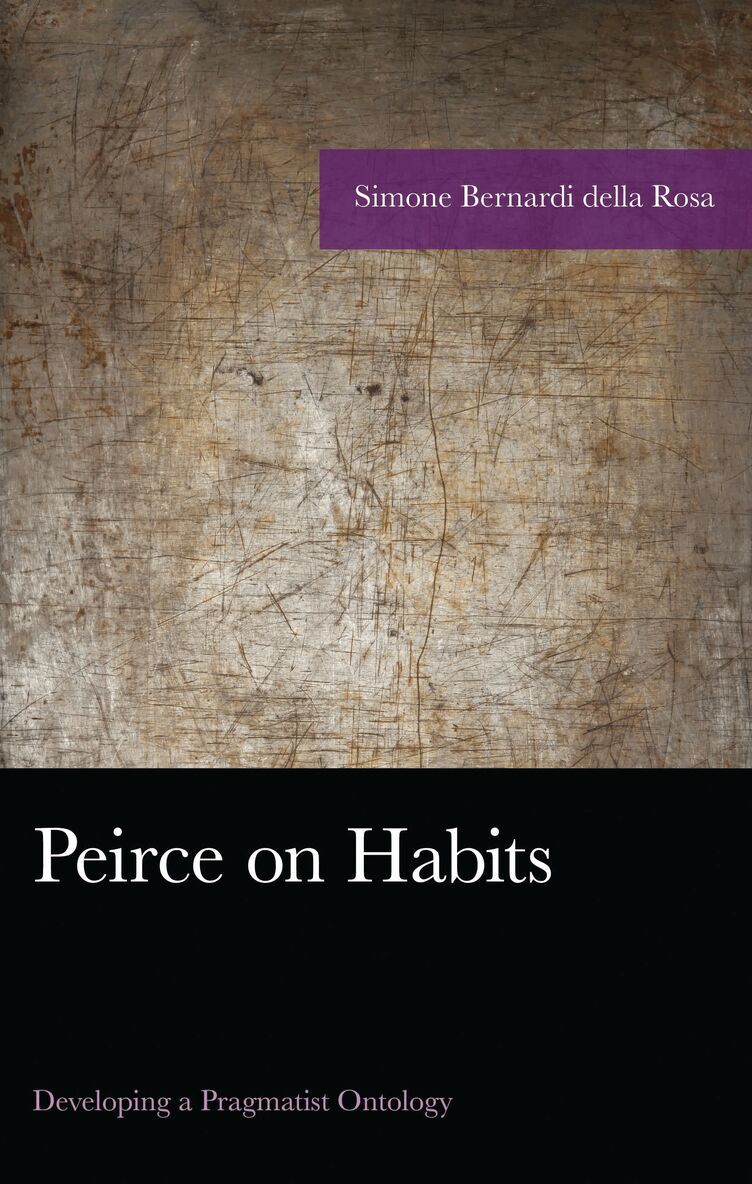
    Peirce on Habits

    Developing a Pragmatist Ontology

    AvSimone Bernardi della Rosa,John J. Kaag

    Inbunden, Engelska, 2025

    Del i serien American Philosophy Series

    1 188 kr

    Beställningsvara. Skickas inom 10-15 vardagar. Fri frakt över 249 kr.

    Beskrivning

    Peirce on Habits: Developing a Pragmatist Ontology investigates habit at its most fundamental level: as a mode of being. Through the lens developed by Charles Sanders Peirce, the American philosopher renowned for his contributions to semiotics and pragmatism, Simone Bernardi della Rosa explores how habits profoundly impact human cognition and self-conception, shaping our thoughts and behaviors. The author first analyzes the philosophical architecture of habit and its fundamental metaphysical properties, defending the thesis that habits are a mediating category between possibility and actuality characterized by generality. In the second part, Bernardi della Rosa argues that if humans are “creatures of habit,” it is because they share the same ontological and temporal characteristics as habits. By delving into pragmatist theory and contemporary accounts of habits, Peirce on Habits illustrates how habits form a pivotal element of our reality, profoundly influencing future events as well as our reasoning and selfhood. This comprehensive study offers fresh insights into the role of habit in Peirce’s philosophy and pragmatism’s relevance to ongoing philosophical discussions about habit.

    Produktinformation

    • Utgivningsdatum:2025-01-07
    • Mått:152 x 229 x 21 mm
    • Vikt:474 g
    • Format:Inbunden
    • Språk:Engelska
    • Serie:American Philosophy Series
    • Antal sidor:236
    • Förlag:Bloomsbury Publishing Plc
    • ISBN:9781666951745

    Utforska kategorier

    • Filosofiska discipliner inom Filosofi och religion

    Mer om författaren

    Simone Bernardi della Rosa is postdoctoral researcher at the University of Molise.

    Recensioner i media

    “Peirce on Habits represents an important contribution to discussions of habit in philosophy and a crucial development of Peirce studies. It will serve as an important scholarly landmark for years and decades to come.”

    Innehållsförteckning

    • AcknowledgmentsList of AbbreviationsIntroductionChapter 1: The Architecture of HabitsChapter 2: The Habit’s Mode of BeingChapter 3: Habit’s Metaphysical PropertiesChapter 4: Some Consequences of Habit’s Capacities (on Mind and Self)ConclusionBibliographyIndexAbout the Author