Inbunden, Engelska, 2026
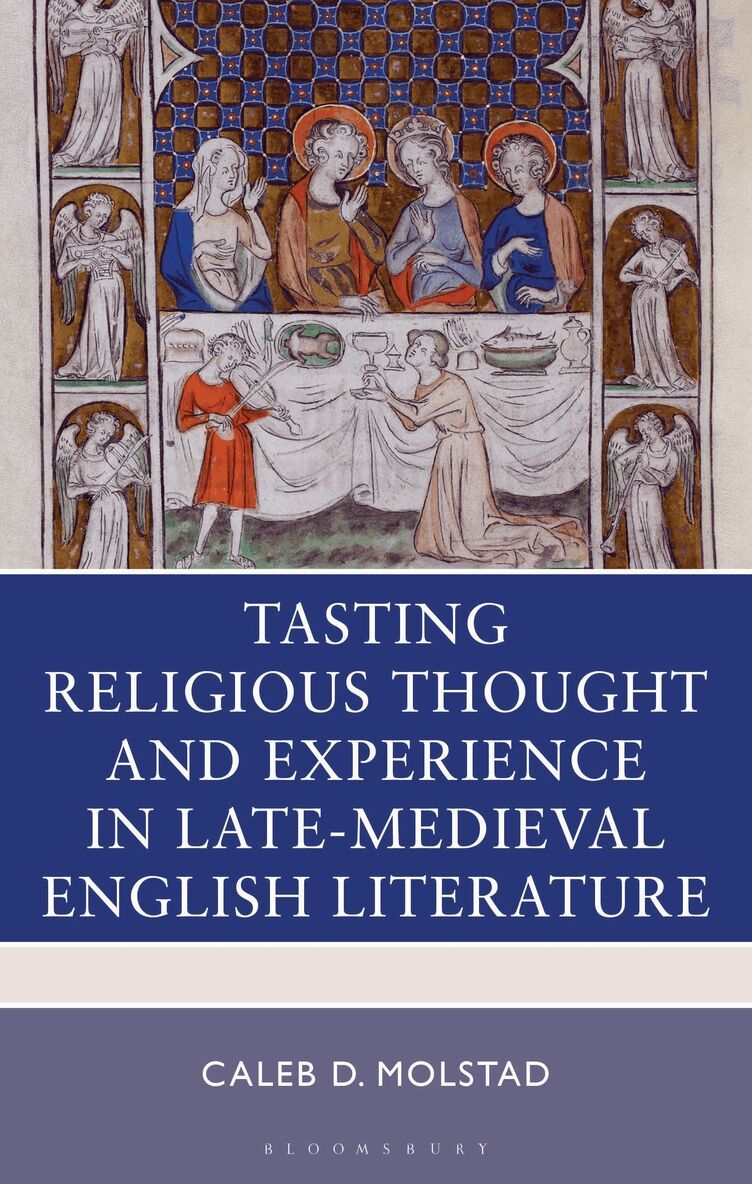
Tasting Religious Thought and Experience in Late-Medieval English Literature
Del i serien Studies in Medieval Literature
1303 kr
Beställningsvara. Skickas inom 10-15 vardagar. Fri frakt över 249 kr.
Beskrivning
Produktinformation
- Utgivningsdatum: 2026-04-16
- Mått: 162 x 230 x 18 mm
- Vikt: 460 g
- Format: Inbunden
- Språk: Engelska
- Serie: Studies in Medieval Literature
- Antal sidor: 216
- Förlag: Bloomsbury Publishing Plc
- ISBN: 9781666979701
Utforska kategorier
Mer om författaren
Caleb D. Molstad is Research Affiliate at the Center for Premodern Studies at the University of Minnesota, Twin Cities.
Recensioner i media
This careful study of alimentary metaphor touches on a wide range of vital questions for later medieval English literature, and reminds us that these questions have renewed urgency. These questions involve the ethics of agricultural labor and food distribution, the spiritual (and not merely physical) dangers of overconsumption, and the idea of proper eating as moral hygiene. Molstad’s attentive, well-grounded argument shows how the flexible metaphors of reading as eating serve Hilton and Love, and how food structures the social and spiritual orders of Piers Plowman and Cleanness. As Molstad rightly observes of the fourteenth century as well as the twenty-first, “One never truly eats alone.”
Betyg & recensioner
0 recensioner
Inga recensioner tillgängliga.