• Fri frakt över 249 kr
  • •
  • Snabba leveranser
  • •
  • Billiga böcker
Kundservice

Du är på sajten för privatpersoner.

Företag, bibliotek eller offentlig verksamhet?

Du handlar på classic.bokus.com, där alla dina funktioner finns intakta.
Till classic.bokus.com
Bokus logotyp. Gå till startsidan.
  • Erbjudanden
  • Nyheter
  • Student
  • Topplistor
  • Barn & ungdom
  • Bokus Play
  • E-böcker
  • Pocketböcker
  • Spel & pussel

10% studentrabatt med kod TERM26

Sidfot

Mina sidor

    Hjälp

    • Kundservice
    • Vanliga frågor och svar
    • Frakt och leverans
    • Retur vid ångerrätt
    • Reklamera vara
    • Betalning
    • Köpvillkor
    • Allmänna villkor
    • Information om webbplatsens tillgänglighet

    Om Bokus

    • Om oss
    • Pressrum
    • För studenter
    • För företag
    • För bibliotek och offentlig verksamhet
    • För leverantörer
    • Hållbarhet

    Populärt

    • Aktuella erbjudanden
    • Presentkort
    • Studentlitteratur
    • Nya böcker
    • Topplistor
    • Signerade böcker
    • Engelska böcker

    Inspiration

    • Boktips
    • BookTok
    • Populära bokserier
    • Barnbokskaraktärer
    • Populära författare
    Logotyp för Bokus
    Följ oss på Facebook (extern länk)Följ oss på Instagram (extern länk)Följ oss på YouTube (extern länk)Följ oss på TikTok (extern länk)
    bokus @ CookiesAnpassa cookiesIntegritetspolicyKöpvillkor
    Till Citymail hemsida (extern länk)Till Budbee hemsida (extern länk)Till Postnord hemsida (extern länk)Till Schenker hemsida (extern länk)Till Early Bird hemsida (extern länk)Till Walleys hemsida (extern länk)
    1. Historia och arkeologi
    2. Historia

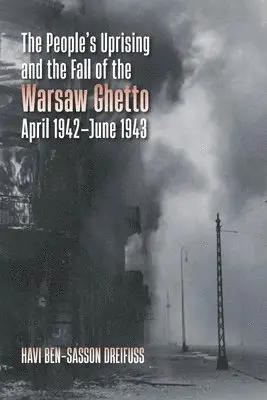
    People's Uprising and the Fall of the Warsaw Ghetto, April 1942–June 1943

    AvHavi Ben-Sasson Dreifuss

    Inbunden, Engelska, 2026

    Del i serien Tauber Institute Series for the Study of European Jewry

    1 100 kr

    Beställningsvara. Skickas inom 5-8 vardagar. Fri frakt över 249 kr.

    Fler format och utgåvor

    Häftad

    386 kr

    Beskrivning

    Examines the final years of the Warsaw ghetto, the uprising, and the varied, nuanced ways Jewish people resisted Nazi rule.  The People’s Uprising and the Fall of the Warsaw Ghetto, April 1942–June 1943 sheds light on the lives, choices, and experiences of the tens of thousands of Jews who were not part of the underground armed resistance but nonetheless supported the famed Warsaw Ghetto Uprising. This riveting and dramatic account focuses on the final year of the Warsaw ghetto, from the Great Deportation in the summer of 1942 through the suppression of the uprising in mid-1943. Drawing on powerful contemporary testimonies, diaries, and documents—many of them previously unexplored—Havi Ben-Sasson Dreifussreveals how members of the broader Jewish population struggled to survive, maintain family and community life, and make impossible moral decisions in the face of fear, hunger, and daily violence. Looking beyond the fighters themselves, the book offers a story of devastation, but also of resilience and human dignity.  Published in association with Yad Vashem.

    Produktinformation

    • Utgivningsdatum:2026-03-10
    • Mått:152 x 229 x undefined mm
    • Vikt:454 g
    • Format:Inbunden
    • Språk:Engelska
    • Serie:Tauber Institute Series for the Study of European Jewry
    • Antal sidor:472
    • Förlag:Brandeis University Press
    • ISBN:9781684583140

    Utforska kategorier

    • Historia inom Historia och arkeologi

    Mer om författaren

    Havi Ben-Sasson Dreifuss is professor of Jewish history at Tel Aviv University, where she heads the Institute for the History of Polish Jewry and Israel-Poland Relations. She also serves as the director of the Center for Research on the Holocaust in Poland at Yad Vashem. She is the author of Relations Between Jews and Poles: The Jewish Perspective.

    Recensioner i media

    “A brilliantly researched book that draws on recorded statements of the combatants and, for the first time, gives full weight to personal testimonies of Warsaw ghetto inhabitants. A very important contribution to scholarly literature.”

    Innehållsförteckning

    • Preface to the English editionIntroductionChapter OneThe Twilight Days: April 18–July 21, 1942The Warsaw Ghetto prior to April 1942Economic Conditions and the Struggle for a LivelihoodJewish Society and Its Various CirclesThe Jewish Street and Ghetto HousingApril–July 1942: A Reign of Terror in the Streets and Houses in the GhettoA Chronicle of Edicts and PersecutionsThe Rumor Mill and FearsChapter TwoThe Great Deportation: July 22–September 21, 1942(Eve of the Fast of the Ninth of Av 5702–Yom Kippur 5703) The Beginning The Destruction of the Public and Private Spaces in the Ghetto: “[Your] Streets Have Died”Late July to Mid-August 1942: Workshop ManiaMid-August to September 6, 1942Families and Women during the Deportation Where to? “I Am in Treblinka”The Umschlagplatz during the Great Deportation September 1942: The “Cauldron Roundup” and the Conclusion of the Great Deportation Chapter ThreeAn Abandoned, Beaten Remnant in a Painful Awakening: Mid-September 1942–Mid-January 1943Life amidst the Ruins of the PastA New Social Stratification“Let Us Eat and Drink for Tomorrow We Die”Abnormal RoutineChapter Four The Second Deportation, the January Uprising, and Their Ramifications—Between Hope and the Awareness of Loss: January 18 to Mid-April 1943The Future of the Warsaw Ghetto and Its Remnants in the Eyes of the German Authorities: Jewish Labor or Extermination of the JewsThe Second AktionIn the Absence of a Future: Work, Hiding in the Ghetto, or Escape to the Aryan SideFrom the Warsaw Ghetto to Lublin?Preparations of the Resistance OrganizationsChapter FiveThe Warsaw Ghetto Uprising: Passover Eve 5703, April 19 to June 1943The First Day of the Uprising: April 19, 1943The Second Day of the Uprising: April 20, 1943The Third Day of the Uprising: April 21, 1943The Fourth Day of the Uprising: April 22, 1943—What Remained of the Fighting Afterward?In the Apartments and BunkersThe FiresThe End of the Uprising and Its Final Suppression: The Exit from the Ghetto and the BunkersThe UmschlagplatzAmong the Ruins“There is no longer a Jewish Residential Quarter in Warsaw!”Summary and ConclusionsBibliographyIndex