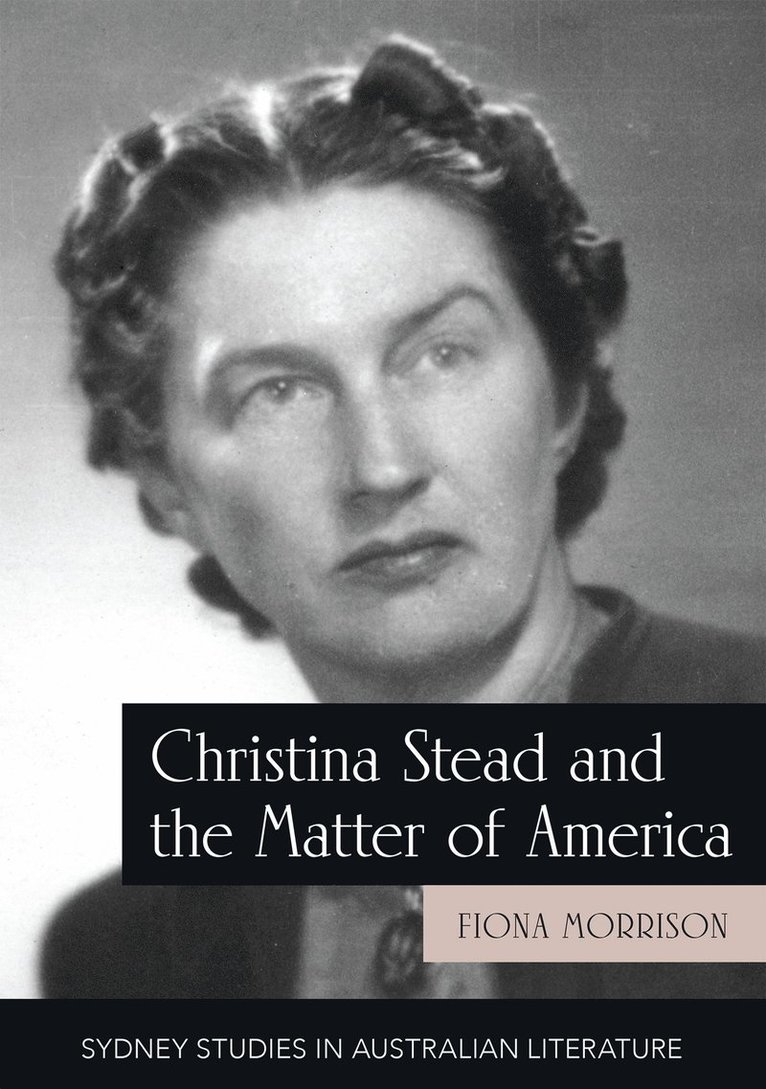
Australian Books and Authors in the American Marketplace 1840s-1940s
Häftad, Engelska, 2018
Del i serien Sydney Studies in Australian Literature
392 kr
Beställningsvara. Skickas inom 5-8 vardagar. Fri frakt över 249 kr.
Beskrivning
Combining literary criticism with book history, Carter and Osborne explore how Australian authors and their books fared in the US market from the 1840s through to the 1940s, most notably in the 1880s and 1890s and then between the two World Wars.
Produktinformation
Utforska kategorier
Mer om författaren
Recensioner i media
Innehållsförteckning
Hoppa över listan



Mer från samma författare
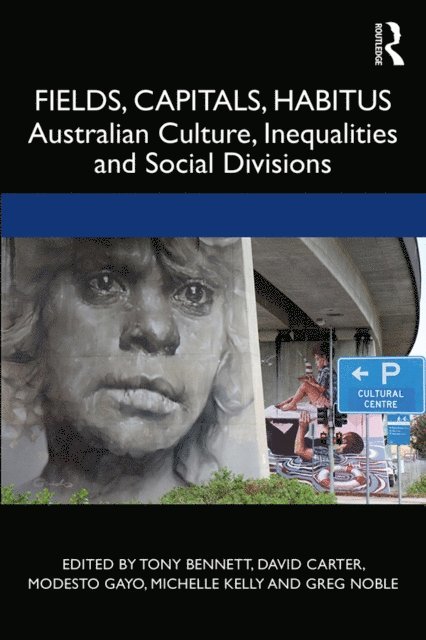
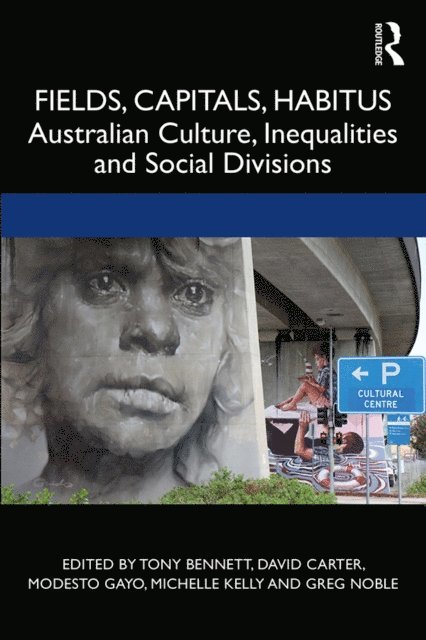
Fields, Capitals, Habitus
Greg Noble, Michelle Kelly, Modesto Gayo, David Carter, Tony Bennett
E-bok
2020729 kr
Fields, Capitals, Habitus
Greg Noble, Michelle Kelly, Modesto Gayo, David Carter, Tony Bennett
E-bok
2020729 kr
The Spoken Language Translator
Manny Rayner, Manny Rayner, David Carter, Pierrette Bouillon, Vassilis Digalakis, Mats Wirén
Häftad, 2007
787 kr
The Spoken Language Translator
Manny Rayner, David Carter, Pierrette Bouillon, Vassilis Digalakis, Mats Wirén
Inbunden, 2000
2 265 kr