• Fri frakt över 249 kr
  • •
  • Snabba leveranser
  • •
  • Billiga böcker
Kundservice

Du är på sajten för privatpersoner.

Företag, bibliotek eller offentlig verksamhet?

Du handlar på classic.bokus.com, där alla dina funktioner finns intakta.
Till classic.bokus.com
Bokus logotyp. Gå till startsidan.
  • Erbjudanden
  • Nyheter
  • Student
  • Topplistor
  • Barn & ungdom
  • Bokus Play
  • E-böcker
  • Pocketböcker
  • Spel & pussel

10% rabatt på allt med kod: NYSTART10 →

Sidfot

Mina sidor

    Hjälp

    • Kundservice
    • Vanliga frågor och svar
    • Frakt och leverans
    • Retur vid ångerrätt
    • Reklamera vara
    • Betalning
    • Köpvillkor
    • Allmänna villkor
    • Information om webbplatsens tillgänglighet

    Om Bokus

    • Om oss
    • Pressrum
    • För studenter
    • För företag
    • För bibliotek och offentlig verksamhet
    • För leverantörer
    • Hållbarhet

    Populärt

    • Aktuella erbjudanden
    • Presentkort
    • Studentlitteratur
    • Nya böcker
    • Topplistor
    • Signerade böcker
    • Engelska böcker

    Inspiration

    • Boktips
    • BookTok
    • Populära bokserier
    • Barnbokskaraktärer
    • Populära författare
    Logotyp för Bokus
    Följ oss på Facebook (extern länk)Följ oss på Instagram (extern länk)Följ oss på YouTube (extern länk)Följ oss på TikTok (extern länk)
    bokus @ CookiesAnpassa cookiesIntegritetspolicyKöpvillkor
    Till Citymail hemsida (extern länk)Till Budbee hemsida (extern länk)Till Postnord hemsida (extern länk)Till Schenker hemsida (extern länk)Till Early Bird hemsida (extern länk)Till Walleys hemsida (extern länk)
    1. Samhälle och politik
    2. Samhälle och kultur
    3. Kultur och medier
    4. Referensverk och tvärvetenskap

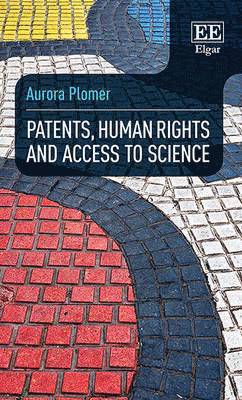
    Patents, Human Rights and Access to Science

    AvAurora Plomer

    Inbunden, Engelska, 2015

    1 540 kr

    Beställningsvara. Skickas inom 5-8 vardagar. Fri frakt över 249 kr.

    Beskrivning

    The new millennium has been described as 'the century of biology', but scientific progress and access to medicines has been marred by global disputes over ownership of the science by universities and private companies. This book examines the challenges posed by the modern patent system to the right of everyone to access the benefits of science in international law.Aurora Plomer retraces the genesis and evolution of the key Articles in the UN system (Article 27 UDHR and Article 15 ICESCR). She combines the historiography of these Articles with a novel perspective on the moral foundations of rights of access to science to draw out implications for today's controversies on patents in the life-sciences. The analysis suggests that access to science as a fundamental right requires both freedom from political and religious interference and the existence of enabling research institutions and educational facilities which promote the flow of knowledge through transparent and open structures. From this perspective, the global patent system is shown to fail spectacularly when it comes to the human rights ideal of universal access to science. The book concludes that a fundamental restructuring of patent institutions is required, in which democratic oversight of patent policies would ensure meaningful realization of the right of everyone to access the benefits of science.Students and scholars of international law, particularly those focusing on intellectual property and human rights, will find this book to be of considerable interest. It will also be of use to practitioners in the field.

    Produktinformation

    • Utgivningsdatum:2015-10-30
    • Mått:138 x 216 x undefined mm
    • Format:Inbunden
    • Språk:Engelska
    • Förlag:Edward Elgar Publishing Ltd
    • ISBN:9781783475926

    Utforska kategorier

    • Referensverk och tvärvetenskap inom Samhälle och politik
    • Mänskliga och medborgerliga rättigheter inom Juridik
    • Patenträtt inom Juridik

    Mer om författaren

    Aurora Plomer, Law School, University of Bristol, UK

    Recensioner i media

    ‘Aurora Plomer explores international human rights, and its relevance to battles over intellectual property and science. Her work highlights the need for the benefits of scientific research to be fairly and equitably shared. Her work is an important original contribution to the literature on intellectual property, human rights, and the sociology of science.’

    Innehållsförteckning

    • Contents: 1. Patents, Profits and the Public 2. The Moral Architecture of Human Rights and Rights of Access to Science 3. The Human Rights Paradox: Intellectual Property Rights and Rights of Access to Science 4. From Moral Ideals to Legal Obligations: The Genesis of Article 15 ICESCR 5. The UN’s Official Thinking on Article 15(1)(c) 6. UNESCO : Biotechnology, Bioethics and the Rights to Share in the Benefits of Science 7. Conclusion Index