• Fri frakt över 249 kr
  • •
  • Snabba leveranser
  • •
  • Billiga böcker
Kundservice

Du är på sajten för privatpersoner.

Företag, bibliotek eller offentlig verksamhet?

Du handlar på classic.bokus.com, där alla dina funktioner finns intakta.
Till classic.bokus.com
Bokus logotyp. Gå till startsidan.
  • Erbjudanden
  • Nyheter
  • Student
  • Topplistor
  • Barn & ungdom
  • Bokus Play
  • E-böcker
  • Pocketböcker
  • Spel & pussel

10% rabatt på allt med kod NYSTART10 →

Sidfot

Mina sidor

    Hjälp

    • Kundservice
    • Vanliga frågor och svar
    • Frakt och leverans
    • Retur vid ångerrätt
    • Reklamera vara
    • Betalning
    • Köpvillkor
    • Allmänna villkor
    • Information om webbplatsens tillgänglighet

    Om Bokus

    • Om oss
    • Pressrum
    • För studenter
    • För företag
    • För bibliotek och offentlig verksamhet
    • För leverantörer
    • Hållbarhet

    Populärt

    • Aktuella erbjudanden
    • Presentkort
    • Studentlitteratur
    • Nya böcker
    • Topplistor
    • Signerade böcker
    • Engelska böcker

    Inspiration

    • Boktips
    • BookTok
    • Populära bokserier
    • Barnbokskaraktärer
    • Populära författare
    Logotyp för Bokus
    Följ oss på Facebook (extern länk)Följ oss på Instagram (extern länk)Följ oss på YouTube (extern länk)Följ oss på TikTok (extern länk)
    bokus @ CookiesAnpassa cookiesIntegritetspolicyKöpvillkor
    Till Citymail hemsida (extern länk)Till Budbee hemsida (extern länk)Till Postnord hemsida (extern länk)Till Schenker hemsida (extern länk)Till Early Bird hemsida (extern länk)Till Walleys hemsida (extern länk)
    1. Filosofi och religion
    2. Filosofi
    3. Filosofiska discipliner

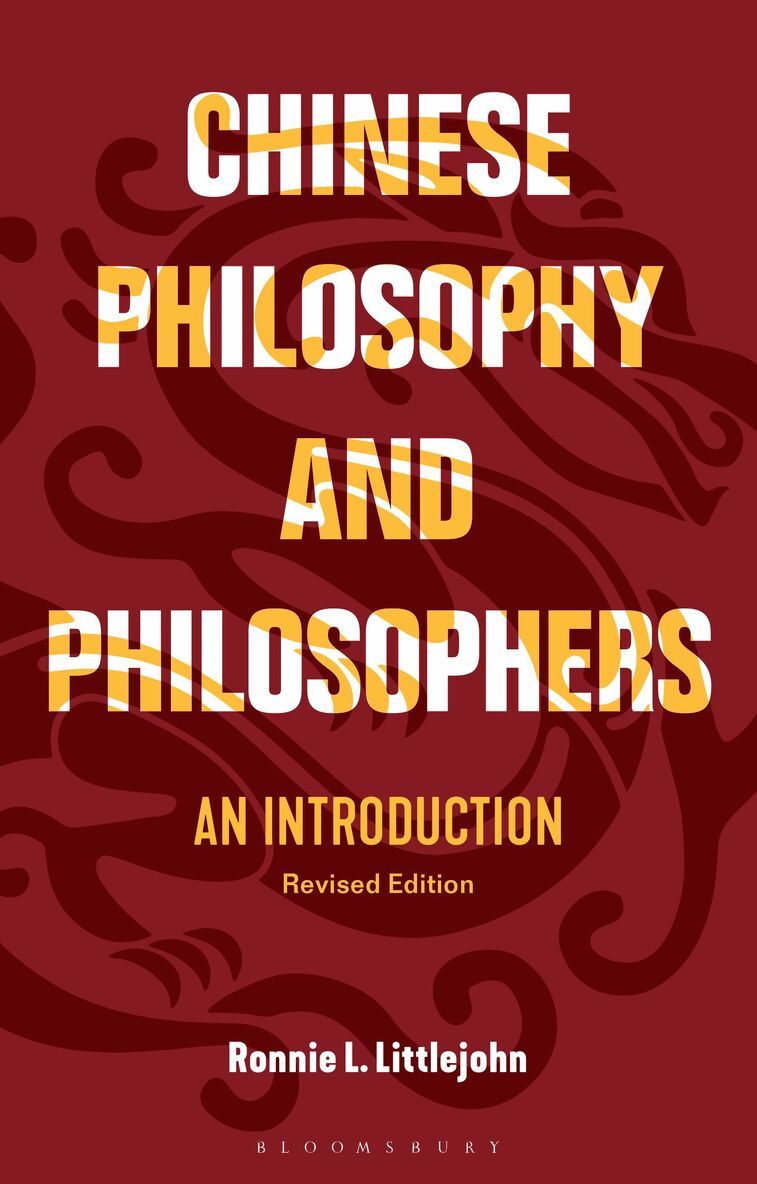
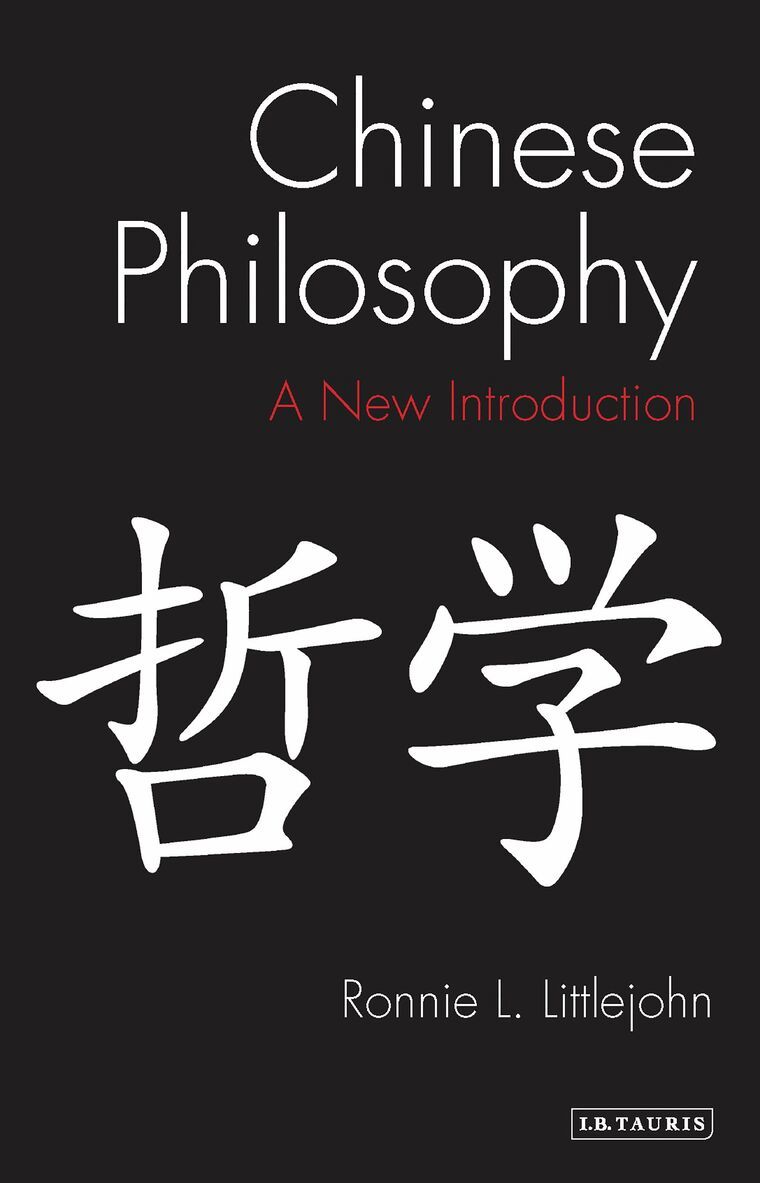
    Chinese Philosophy

    An Introduction

    AvRonnie L. Littlejohn

    Häftad, Engelska, 2015

    340 kr

    Beställningsvara. Skickas inom 10-15 vardagar. Fri frakt över 249 kr.

    Fler format och utgåvor

    E-bok

    362 kr

    E-bok

    362 kr

    Inbunden

    1 951 kr

    Beskrivning

    The philosophical traditions of China have arguably influenced more human beings than any other. China has been the home not only of its indigenous philosophical traditions of Confucianism and Daoism, but also of uniquely modified forms of Buddhism. As Ronnie L Littlejohn shows, these traditions have for thousands of years formed the bedrock of the longest continuing civilization on the planet; and Chinese philosophy has profoundly shaped the institutions, social practices and psychological character of East and Southeast Asia. The author here surveys the key texts and philosophical systems of Chinese thinkers in a completely original and illuminating way. Ranging from the Han dynasty to the present, he discusses the six classical schools of Chinese philosophy (Yin-Yang, Ru, Mo, Ming, Fa and Dao-De); the arrival of Buddhism in China and its distinctive development; the central figures and movements from the end of the Tang dynasty to the introduction into China of Western thought; and the impact of Chinese philosophers ranging from Confucius and Laozi to Tu Weiming on their equivalents in the West."

    Produktinformation

    • Utgivningsdatum:2015-11-30
    • Mått:134 x 214 x 18 mm
    • Vikt:340 g
    • Format:Häftad
    • Språk:Engelska
    • Antal sidor:288
    • Förlag:Bloomsbury Publishing PLC
    • ISBN:9781784532628

    Utforska kategorier

    • Filosofiska discipliner inom Filosofi och religion

    Mer om författaren

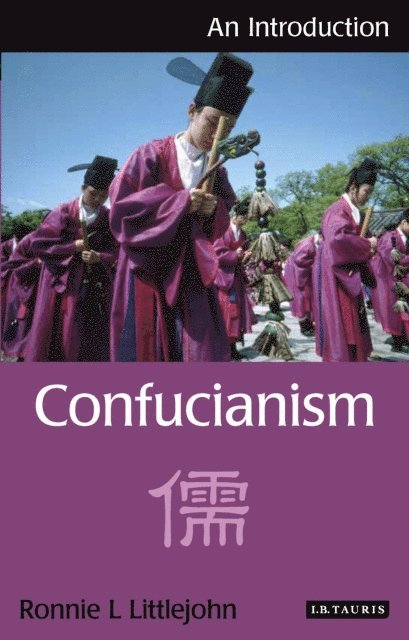
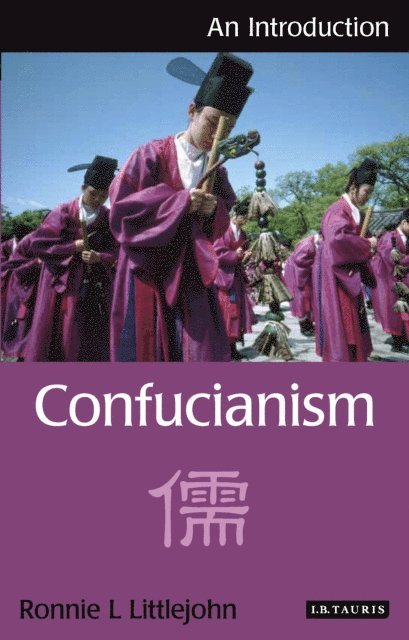
    Ronnie L Littlejohn is Professor of Philosophy and Director of Asian Studies at Belmont University, Tennessee. His previous books include Riding the Wind with Liezi: New Essays on the Daoist Classic (2011), Confucianism: An Introduction (I.B.Tauris, 2010) and Daoism: An Introduction (I.B.Tauris, 2009).

    Recensioner i media

    'This is an amazingly well-written and helpful introduction to the topic. Systematically divided into four parts - the ontological, the epistemological, the moral and the political - it explores fundamental questions through which readers may begin to appreciate the specificity of Chinese philosophy as well as its commonality with Western philosophy. The book offers a fascinating treatment, from ancient times to the present day, of well selected Chinese philosophers, their texts and their doctrines: sometimes in comparison with the most important Western philosophers like Plato, Berkeley, Mill, Whitehead and Wittgenstein. Ronnie Littlejohn has written the best concise introductory book of its kind on the market. It does a great job in orienting undergraduate students; it will similarly prove to be of real value to general readers; and even specialists and experts in the field will gain a good deal from reading it.' - Vincent Shen, Lee Chair in Chinese Thought and Culture, University of Toronto; 'With a talented and discerning brush, this discriminating and at the same time student friendly work paints a vivid picture of the Chinese philosophical landscape. Its canvas is broad, its execution is elegant; and it is sure to serve as a welcome resource for our deeper understanding of philosophy in a global setting.' - Robin R Wang, Professor of Philosophy, Director of Asian and Pacific Studies, Loyola Marymount University, author of Yinyang: The Way of Heaven and Earth in Chinese Thought and Culture (2012); 'This work is a comprehensive and highly analytical presentation of Chinese philosophy from the earliest beginnings to the modern era. Arranged thematically in four parts, covering ontology, epistemology, value theory, and political philosophy, it is both daunting in its scope and amazing in its depth. Each section presents the basic features of the kind of philosophy in question, followed by extensive discussions and translations from relevant Chinese works, creating intrinsic connections between eras and opening a powerful vision of the intricate unfolding of Chinese thought. The book inspires and challenges while engaging and clarifying an established subject in an illuminating new light.' - Livia Kohn, Professor Emerita of Religion and East Asian Studies, Boston University; 'It is daringly ambitious to try to present in a short monograph an overview of what Chinese philosophy as a whole might bring to world philosophical conversation. Yet within a framework of questions that are recognizably philosophical, as well as global, Professor Littlejohn's refreshing thematic approach introduces readers to how Chinese philosophers of different historical periods - and associated with varied schools of thought - think, and what positions they have adopted on the nature of reality, knowledge, value, and government. Written with admirable clarity and breadth, Littlejohn's book succeeds in communicating the distinctive tenors of Chinese thought and experience. This is an invaluable resource for teaching Chinese philosophy that will interest general readers as well as students and their teachers.' - Sor-hoon Tan, Associate Professor of Philosophy, National University of Singapore