• Fri frakt över 249 kr
  • •
  • Snabba leveranser
  • •
  • Billiga böcker
Kundservice

Du är på sajten för privatpersoner.

Företag, bibliotek eller offentlig verksamhet?

Du handlar på classic.bokus.com, där alla dina funktioner finns intakta.
Till classic.bokus.com
Bokus logotyp. Gå till startsidan.
  • Erbjudanden
  • Nyheter
  • Student
  • Topplistor
  • Barn & ungdom
  • Bokus Play
  • E-böcker
  • Pocketböcker
  • Spel & pussel

10% studentrabatt med kod TERM26

Sidfot

Mina sidor

    Hjälp

    • Kundservice
    • Vanliga frågor och svar
    • Frakt och leverans
    • Retur vid ångerrätt
    • Reklamera vara
    • Betalning
    • Köpvillkor
    • Allmänna villkor
    • Information om webbplatsens tillgänglighet

    Om Bokus

    • Om oss
    • Pressrum
    • För studenter
    • För företag
    • För bibliotek och offentlig verksamhet
    • För leverantörer
    • Hållbarhet

    Populärt

    • Aktuella erbjudanden
    • Presentkort
    • Studentlitteratur
    • Nya böcker
    • Topplistor
    • Signerade böcker
    • Engelska böcker

    Inspiration

    • Boktips
    • BookTok
    • Populära bokserier
    • Barnbokskaraktärer
    • Populära författare
    Logotyp för Bokus
    Följ oss på Facebook (extern länk)Följ oss på Instagram (extern länk)Följ oss på YouTube (extern länk)Följ oss på TikTok (extern länk)
    bokus @ CookiesAnpassa cookiesIntegritetspolicyKöpvillkor
    Till Citymail hemsida (extern länk)Till Budbee hemsida (extern länk)Till Postnord hemsida (extern länk)Till Schenker hemsida (extern länk)Till Early Bird hemsida (extern länk)Till Walleys hemsida (extern länk)
    1. Historia och arkeologi
    2. Arkeologi
    3. Arkeologiska perioder och områden

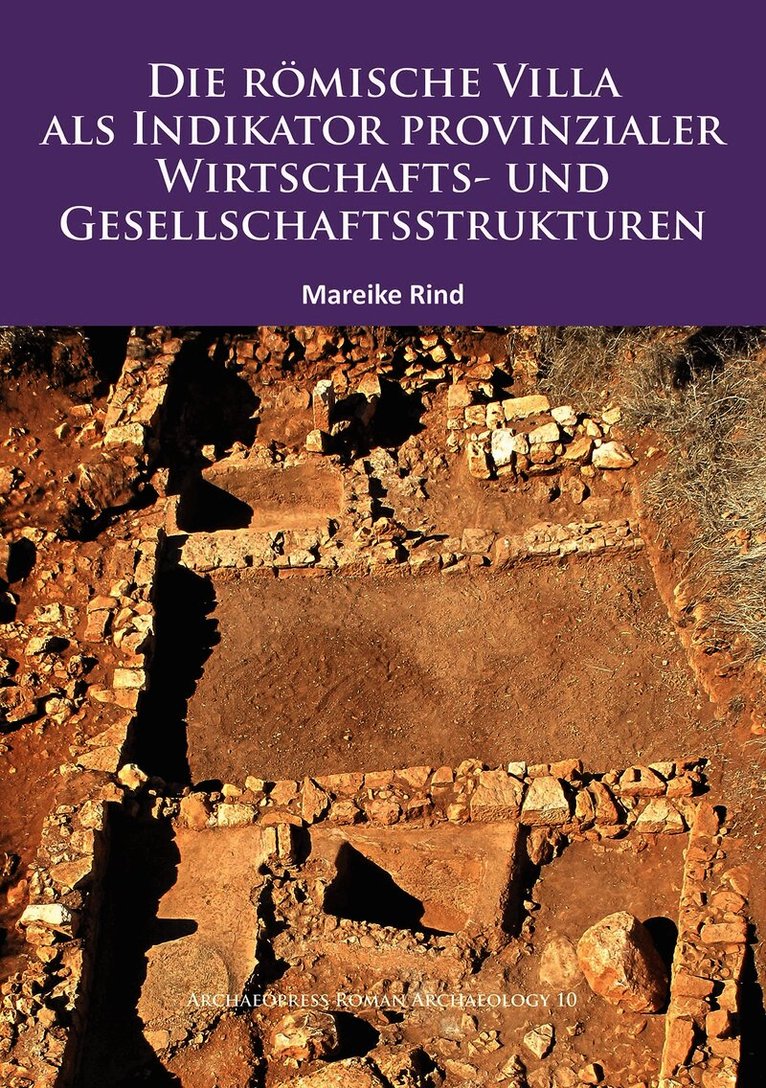
    Die Römische Villa als Indikator provinzialer Wirtschafts- und Gesellschaftsstrukturen

    AvMareike Rind

    E-bok
    PDF, Tyska, 2015

    326 kr

    Läs direkt i Bokus Reader – eller ladda ned till din enhet (PDF kräver ofta zoom och scroll på små skärmar).

    Beskrivning

    The investigation of the Roman villa and its economic structures in the western provinces of the Roman Empire has clearly shown that rural settlement developed at different paces and intensities that largely depended on the specific region in which a villa landscape was intended and created. The progress of Romanisation was strongly linked to the existence of pre- Roman infrastructure in a given region (e.g. Tres Galliae: Celtic; Narbonensis: Greek; Northern Africa: Punic). This existing infrastructure was at first acquired and successively intensified by the Romans.In its sum, the Roman villa economy was a complex and dynamic system that in its configuration vastly differed, according to the specific province. Still, the system essentially served clear functional purposes such as self-subsistence and, ideally, surplus production for the supply of the Roman military in newly conquered provinces. Besides that, the implementation of a villa landscape in a province, often carried by veterans and other groups of Italic origin, the Roman villa network took the role as a carrier of processes that evolve around the term Romanisation during the phase of Roman conquest and authority.German text with English summary.


    Produktinformation

    • Utgivningsdatum:2015-10-31
    • Språk:Tyska
    • Antal sidor:200
    • Filformat:PDF
    • Kopieringsskydd:LCP
    • ISBN:9781784911690
    • Förlag:Archaeopress Publishing Ltd

    Utforska kategorier

    • Arkeologiska perioder och områden inom Historia och arkeologi