• Fri frakt över 249 kr
  • •
  • Snabba leveranser
  • •
  • Billiga böcker
Kundservice

Du är på sajten för privatpersoner.

Företag, bibliotek eller offentlig verksamhet?

Du handlar på classic.bokus.com, där alla dina funktioner finns intakta.
Till classic.bokus.com
Bokus logotyp. Gå till startsidan.
  • Erbjudanden
  • Nyheter
  • Student
  • Topplistor
  • Barn & ungdom
  • Bokus Play
  • E-böcker
  • Pocketböcker
  • Spel & pussel

Må bättre, för mindre! Upp till 50% rabatt på hälsoböcker

Sidfot

Mina sidor

    Hjälp

    • Kundservice
    • Vanliga frågor och svar
    • Frakt och leverans
    • Retur vid ångerrätt
    • Reklamera vara
    • Betalning
    • Köpvillkor
    • Allmänna villkor
    • Information om webbplatsens tillgänglighet

    Om Bokus

    • Om oss
    • Pressrum
    • För studenter
    • För företag
    • För bibliotek och offentlig verksamhet
    • För leverantörer
    • Hållbarhet

    Populärt

    • Aktuella erbjudanden
    • Presentkort
    • Studentlitteratur
    • Nya böcker
    • Topplistor
    • Signerade böcker
    • Engelska böcker

    Inspiration

    • Boktips
    • BookTok
    • Populära bokserier
    • Barnbokskaraktärer
    • Populära författare
    Logotyp för Bokus
    Följ oss på Facebook (extern länk)Följ oss på Instagram (extern länk)Följ oss på YouTube (extern länk)Följ oss på TikTok (extern länk)
    bokus @ CookiesAnpassa cookiesIntegritetspolicyKöpvillkor
    Till Citymail hemsida (extern länk)Till Budbee hemsida (extern länk)Till Postnord hemsida (extern länk)Till Schenker hemsida (extern länk)Till Early Bird hemsida (extern länk)Till Walleys hemsida (extern länk)
    1. Hälsa och familj
    2. Föräldraböcker
    3. Uppfostran

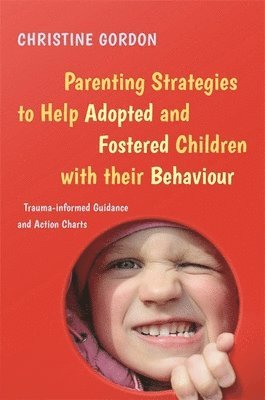
    Parenting Strategies to Help Adopted and Fostered Children with Their Behaviour

    Trauma-Informed Guidance and Action Charts

    AvChristine Gordon

    Häftad, Engelska, 2017

    350 kr

    Beställningsvara. Skickas inom 5-8 vardagar. Fri frakt över 249 kr.

    Fler format och utgåvor

    E-bok

    316 kr

    Beskrivning

    Difficult behaviour in children with developmental trauma comes from a place of hurt. It is often confusing, unpredictable and painful both to the child and the people around them, and can be a form of self-protection or coping with deeply rooted fears and anxieties. Traumatized children rarely respond to traditional parenting strategies, but once you understand the impact of trauma on children you can master 'developmental reparenting' strategies which do work - by validating their feelings, boosting self-esteem and encouraging open and honest conversations. The first part of this book guides you using easy to understand language through the latest science and research relating to trauma and its impact on the brain and executive functioning. The second part forms the heart of the book, laying out 35 action charts to addresses some of the very hardest challenges for parents and carers - from inappropriate sexualised behaviour and overfamiliarity with strangers through to tantrums, food issues and deception.Written by an experienced adoptive parent who was also a qualified social worker with expertise in trauma-informed parenting, this book will be a welcome relief to any family struggling with the challenges of living with trauma in the home.

    Produktinformation

    • Utgivningsdatum:2017-10-19
    • Mått:152 x 228 x 24 mm
    • Vikt:260 g
    • Format:Häftad
    • Språk:Engelska
    • Antal sidor:168
    • Förlag:Jessica Kingsley Publishers
    • ISBN:9781785923869

    Utforska kategorier

    • Uppfostran inom Hälsa och familj
    • Socialt arbete och välfärd inom Samhälle och politik

    Mer om författaren

    Christine Gordon was the co-founder of Family Futures adoption agency in London and founder of ADAPT Scotland, which offers parenting and therapeutic support to adoptive and foster parents caring for traumatized children.

    Recensioner i media

    The uniqueness and innovation in this resource is in the practical nature of connecting executive functioning difficulties - the 'why does my child do this?' - to the 'what can I do?' and 'what can I say?'. Packed full of ideas, suggestions and resources for strategies and interventions, all so clearly written by Christine, this guide is not to be missed!

    Innehållsförteckning

    • PART ONE: Understanding the Behaviour and How to Help 1. Preface. 2. The Impact of Early Trauma. 3. How Neuro-biological Development Affects Behaviour. 4. Developmental Trauma and Attachment Difficulties - Secure Attachments. 5. Developmental Trauma and Attachment Difficulties - Insecure Attachments. 6. Introduction to Developmental Reparenting. 7. Main Principles and Concepts of Developmental Reparenting. 8. Developmental Trauma and Executive Functioning Difficulties. 9. The Behaviour Rating of Executive Functioning (BRIEF). 10. Executive Functioning - Inhibit. 11. EF - Shift. 12. EF - Emotional Control. 13. EF - Initiate. 14. EF - Working Memory. 15. EF - Plan/Organise. 16. EF - Organisation of Materials. 17. EF - Monitor. 18. Comments and Phrases that Support a Traumatized Child. 19. Praise and Reprimands, Consequences and Rewards. 20. Siblings. 21. Children who act out in Aggressive and Angry Behaviour. 22. Compliant 'Acting in' Children. 23. Pee and Poo or Choosing your Battles! 24. How to Use the Charts. 25. Charts. 26. Further Resources.PART TWO: Action Charts. 1. Accepting Blame/Responsibility. 2. Acting a Victim. 3. Aggression Towards Siblings. 4. Cheating at Games. 5. Completing Tasks. 6. Compliant and Helpful. 7. Consequences. 8. Dangerous Behaviour. 9. Disrupting Others. 10. Focussing on Tasks. 11. Food Issues. 12. Fiddling Constantly. 13. Homework Issues. 14. Hypochondriac Tendencies. 15. Intense Sibling Rivalry. 16. Losing Resources. 17. Lying. 18. Managing Group Settings. 19. Moving On. 20. Peer Problems. 21. Running Away. 22. School and Separation Issues. 23. Self-harming. 24. Sexualized Behaviour. 25. Shouting Out. 26. Stealing. 27. Stranger Familiarity. 28. Substitute Teacher/Carer. 29. Swearing. 30. Switching Off. 31. Talking Constantly. 32. Tantrums. 33. Starting Tasks. 34. Untidiness. 35. Working in Silence. 36. Blank Chart.