• Fri frakt över 249 kr
  • •
  • Snabba leveranser
  • •
  • Billiga böcker
Kundservice

Du är på sajten för privatpersoner.

Företag, bibliotek eller offentlig verksamhet?

Du handlar på classic.bokus.com, där alla dina funktioner finns intakta.
Till classic.bokus.com
Bokus logotyp. Gå till startsidan.
  • Erbjudanden
  • Nyheter
  • Student
  • Topplistor
  • Barn & ungdom
  • Bokus Play
  • E-böcker
  • Pocketböcker
  • Spel & pussel

10% rabatt på allt med kod: NYSTART10 →

Sidfot

Mina sidor

    Hjälp

    • Kundservice
    • Vanliga frågor och svar
    • Frakt och leverans
    • Retur vid ångerrätt
    • Reklamera vara
    • Betalning
    • Köpvillkor
    • Allmänna villkor
    • Information om webbplatsens tillgänglighet

    Om Bokus

    • Om oss
    • Pressrum
    • För studenter
    • För företag
    • För bibliotek och offentlig verksamhet
    • För leverantörer
    • Hållbarhet

    Populärt

    • Aktuella erbjudanden
    • Presentkort
    • Studentlitteratur
    • Nya böcker
    • Topplistor
    • Signerade böcker
    • Engelska böcker

    Inspiration

    • Boktips
    • BookTok
    • Populära bokserier
    • Barnbokskaraktärer
    • Populära författare
    Logotyp för Bokus
    Följ oss på Facebook (extern länk)Följ oss på Instagram (extern länk)Följ oss på YouTube (extern länk)Följ oss på TikTok (extern länk)
    bokus @ CookiesAnpassa cookiesIntegritetspolicyKöpvillkor
    Till Citymail hemsida (extern länk)Till Budbee hemsida (extern länk)Till Postnord hemsida (extern länk)Till Schenker hemsida (extern länk)Till Early Bird hemsida (extern länk)Till Walleys hemsida (extern länk)
    1. Naturvetenskap och teknik
    2. Geovetenskap
    3. Geografi

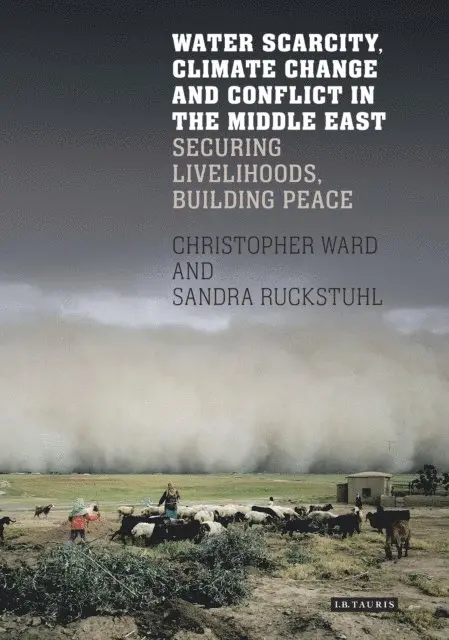
    Water Scarcity, Climate Change and Conflict in the Middle East

    Securing Livelihoods, Building Peace

    AvChristopher Ward,Sandra Ruckstuhl

    E-bok
    Engelska, 2017

    528 kr

    Läs direkt i Bokus Reader – eller ladda ned till din enhet

    Fler format och utgåvor

    Häftad

    493 kr

    Inbunden

    1 811 kr

    E-bok

    528 kr

    Beskrivning

    The countries that make up the MENA region display wide diversity. One of the poorest countries in the world sits alongside two of the wealthiest, whilst the region's natural resources range from immeasurable oil and gas reserves to some of the scantiest natural endowments anywhere in the world. Yet through this diversity runs a common thread: water scarcity. Now, through the impact of human development and climate change, the water resource itself is changing,bringing new risks and increasing the vulnerability of all those dependent on water. Chris Ward and Sandra Ruckstuhl assess the increased challenges now facing the countries of the region, placing particular emphasis on water scarcity and the resultant risks to livelihoods, food security and the environment. They evaluate the risks and reality of climate change in the region, and offer an assessment of the vulnerability of agriculture and livelihoods. In a final section, they explore the options for responding to the new challenges, including policy, institutional, economic and technical measures.

    Produktinformation

    • Utgivningsdatum:2017-06-30
    • Språk:Engelska
    • Antal sidor:368
    • Filformat:EPUB
    • Kopieringsskydd:LCP
    • ISBN:9781786721303
    • Förlag:Bloomsbury Publishing PLC

    Utforska kategorier

    • Geografi inom Naturvetenskap och teknik
    • Lantbruksteknik inom Naturvetenskap och teknik

    Mer om författaren

    Christopher Ward is Honorary Research Fellow at the Institute of Arab and Islamic Studies, University of Exeter. He was educated at Whitgift, and at St John's College, Oxford and St Antony's College Oxford. Formerly with the World Bank, working largely in the field of natural resource management and rural development in the Middle East and Africa, he is currently consultant to a number of international organizations, including the World Bank and the United Nations Food and Agriculture Organization. He has lived in Yemen, Morocco, Saudi Arabia, Iran and Somalia, as well as Kenya, Madagascar and the USA. He is the author of The Water Crisis in Yemen: Managing Extreme Water Scarcity in the Middle East (I.B.Tauris, 2015).Sandra Ruckstuhl is a social development specialist who works with the World Bank, United Nations and US Government to improve conflict sensitivity of international development and humanitarian aid initiatives in the Middle East, Africa and Asia. She has specialized field experience supporting water and natural resource management projects, and has conducted analysis and provided operational guidance for programmes in more than 20 countries. She holds a PhD in Conflict Analysis and Resolution. She currently serves as Senior Social Specialist, Global Water Practice, WorldBank, supporting programs in fragile, conflict-affected and transboundary contexts, and as Program Manager for the UN Sustainable Development Solutions Network's USA Sustainable Cities Initiative.

    Innehållsförteckning

    • Contents Introduction: Background on the Middle East & North Africa regionThe countries of the regionA varied set of countries • Wide structural differences and diverse natural endowmentsGlobal and regional trendsSluggish growth, poor fiscal outlook and low investor confidence • Trade and food security •Political change • Demographic trends and pressures • The effects of conflictWater in the regionWater scarcity is a common thread • Demographic pressures are contributing to scarcity •Economic changes are also exacerbating scarcity • The faint but clear voice of the environment and of water's ecological services • Water scarcity and climate change •Water scarcity and the need for an integrated approachAgricultureThe importance of agriculture in the Middle East & North Africa • Pressures on agriculture •Agriculture and water scarcity • Agriculture and climate change • Competition for water and the case for transfer of water out of agriculture • Agriculture and rural poverty •Perceived links between water, agriculture and food securityWater and conflictPART I: CHALLENGESChapter 1: The challenge of water and agriculture and the drivers of water scarcity Water resources and usesWater uses by sectorClimate and farming systemsThe contribution of agricultureFood security and agricultural water managementFood production and consumption in the Middle East & North Africa • Food security and insecurity • Impacts of conflict on food security • Can food insecurity drive conflict? • Links between agriculture and food securityRecent trends: an agriculture already under stressLand and water use in agriculture • Productivity, technology and innovation • Market orientation • Policies, institutions and public goods • Agricultural heritage and conservationIrrigation in the Middle East & North AfricaThe importance of irrigation in the region • Agricultural water withdrawals • Types of irrigation in the regionDrivers of scarcity and the challenge of water for agricultureChapter 2: Climate change and its expected impacts on the farming systems of the region Climate change events anticipated in the Middle East & North AfricaExpected impacts of climate change on agricultural water and farmingWater resources • Irrigation • Crop and livestock yields and production • Impacts by farming systemReadiness for climate changeStrategic preparednessResearch on issues of agriculture and climate changeThe region's contribution to climate changeChapter 3: Water and conflict in the Middle East and North AfricaA deadly water conflictThe nature and role of conflict in the water sector of the regionWhy does conflict so often arise over water?The nature of the resource • Social and institutional specifics of water • Political economy and power relations over waterTypes of water conflict in the regionA classification of transboundary conflict • A classification of conflict at the national or sectoral level • A classification of conflict at the local levelThe challenge of transboundary waterA fertile field for conflict in the region • Scant cooperation to date • Pointers for the futureConflict at the national or inter-sectoral levelConflicts over access to water and water-related services • Conflict of water-related policy with other interests • Conflict with environmental needs or resource sustainabilityConflict at the local levelConflicts arising from local adoption of new technology • Conflict provoked by state intervention at the local levelGrowing pressures to water conflict in the regionChanges in patterns of demand • Changes on the supply side • The changing institutional context and power relationsWater and conflict in the Syrian crisisWater and the causes of the Syrian crisis • The role of drought in the Syria crisis •How could this happen in a country that has so developed its water resources for agriculture? • Conclus