• Fri frakt över 249 kr
  • •
  • Snabba leveranser
  • •
  • Billiga böcker
Kundservice

Du är på sajten för privatpersoner.

Företag, bibliotek eller offentlig verksamhet?

Du handlar på classic.bokus.com, där alla dina funktioner finns intakta.
Till classic.bokus.com
Bokus logotyp. Gå till startsidan.
  • Erbjudanden
  • Nyheter
  • Student
  • Topplistor
  • Barn & ungdom
  • Bokus Play
  • E-böcker
  • Pocketböcker
  • Spel & pussel

10% rabatt på allt med kod NYSTART10 →

Sidfot

Mina sidor

    Hjälp

    • Kundservice
    • Vanliga frågor och svar
    • Frakt och leverans
    • Retur vid ångerrätt
    • Reklamera vara
    • Betalning
    • Köpvillkor
    • Allmänna villkor
    • Information om webbplatsens tillgänglighet

    Om Bokus

    • Om oss
    • Pressrum
    • För studenter
    • För företag
    • För bibliotek och offentlig verksamhet
    • För leverantörer
    • Hållbarhet

    Populärt

    • Aktuella erbjudanden
    • Presentkort
    • Studentlitteratur
    • Nya böcker
    • Topplistor
    • Signerade böcker
    • Engelska böcker

    Inspiration

    • Boktips
    • BookTok
    • Populära bokserier
    • Barnbokskaraktärer
    • Populära författare
    Logotyp för Bokus
    Följ oss på Facebook (extern länk)Följ oss på Instagram (extern länk)Följ oss på YouTube (extern länk)Följ oss på TikTok (extern länk)
    bokus @ CookiesAnpassa cookiesIntegritetspolicyKöpvillkor
    Till Citymail hemsida (extern länk)Till Budbee hemsida (extern länk)Till Postnord hemsida (extern länk)Till Schenker hemsida (extern länk)Till Early Bird hemsida (extern länk)Till Walleys hemsida (extern länk)
    1. Skönlitteratur
    2. Litteraturvetenskap
    3. Litteraturvetenskap

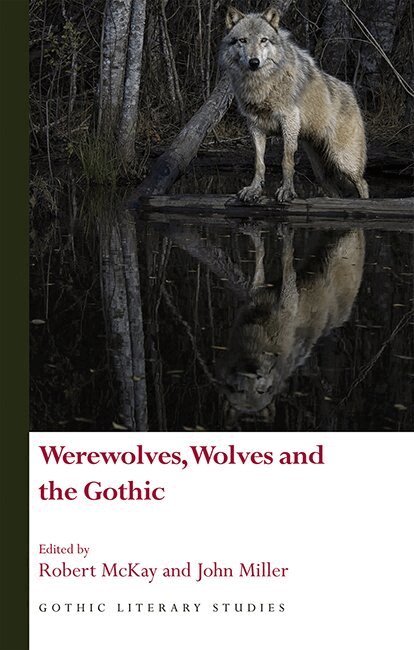
    Werewolves, Wolves and the Gothic

    AvRobert McKay,John Miller

    Inbunden, Engelska, 2017

    Del i serien Gothic Literary Studies

    1 191 kr

    Tillfälligt slut

    Beskrivning

    Wolves lope across Gothic imagination. Signs of a pure animality opposed to humanity, in the figure of the werewolf they become liminal creatures that move between the human and the animal. Werewolves function as a site for exploring complex anxieties of difference – of gender, class, race, space, nation or sexuality – but the imaginative and ideological uses of wolves also reflect back on the lives of material animals, long persecuted in their declining habitats across the world. Werewolves therefore raise unsettling questions about the intersection of the real and the imaginary, the instability of human identities and the worldliness and political weight of the Gothic.This is the first volume concerned with the appearance of werewolves and wolves in literary and cultural texts from the mid-nineteenth century to the present. Drawing on representations of werewolves and wolves in literature, film, television and visual culture, the essays investigate the key texts of the lycanthropic canon alongside lesser-known works from the 1890s to the present. The result is an innovative study that is both theoretically aware and historically nuanced, featuring an international list of established and emerging scholars based in Britain, Europe, North America and Australia.

    Produktinformation

    • Utgivningsdatum:2017-09-15
    • Mått:138 x 216 x 30 mm
    • Vikt:502 g
    • Format:Inbunden
    • Språk:Engelska
    • Serie:Gothic Literary Studies
    • Antal sidor:304
    • Förlag:University of Wales Press
    • ISBN:9781786831026

    Utforska kategorier

    • Litteraturvetenskap inom Skönlitteratur
    • Litteraturteori inom Skönlitteratur
    • Sociala och etiska frågor inom Samhälle och politik

    Mer om författaren

    Robert McKay is Senior Lecturer in English Literature at the University of Sheffield. John Miller is Senior Lecturer in Nineteenth-Century Literature at the University of Sheffield.

    Innehållsförteckning

    • AcknowledgementsList of ContributorsList of IllustrationsIntroduction, Robert McKay and John MillerSocial Anxieties1.Like Father Like Son: Wolf-Men, Paternity and the Male Gothic, Hannah Priest2.Wicked Wolf-Women and Shaggy Suffragettes: Lycanthropic Femme Fatales in the Victorian and Edwardian Eras, Jazmina Cininas3.Postcolonial Vanishings: Wolves, American Indians, and Contemporary Werewolves, Michelle Nicole Boyer4.The Good, the Bad, and the Ubernatural: The Other(ed) Werewolf in Twilight, Roman Bartosch and Celestine Caruso5. ‘Becoming woman’/Becoming Wolf: Girl Power and the Monstrous Feminine in the Ginger Snaps Trilogy, Batia Boe StolarSpecies Troubles6.‘Something that is either werewolf or vampire’: Interrogating the Lupine Nature of Bram Stoker’s Dracula, Kaja Franck7.Saki, Nietzsche and the Superwolf, John Miller8.A Vegetarian Diet for the Were-wolf Hunger of Capital: Leftist and Pro-animal Thought in Guy Endore’s The Werewolf of Paris, Robert McKay9.Everybody Eats Somebody: Angela Carter’s Wolfish Ecology, Margot Young10.‘But by Blood No Wolf Am I’: Language and Agency, Instinct and Essence – Transcending Antinomies in Maggie Steifvater’s Shiver Trilogy, Bill Hughes11.Transforming the Big Bad Wolf: Redefining the Werewolf through Grimm and Fables, Matthew Lerberg