Häftad, Engelska, 2019
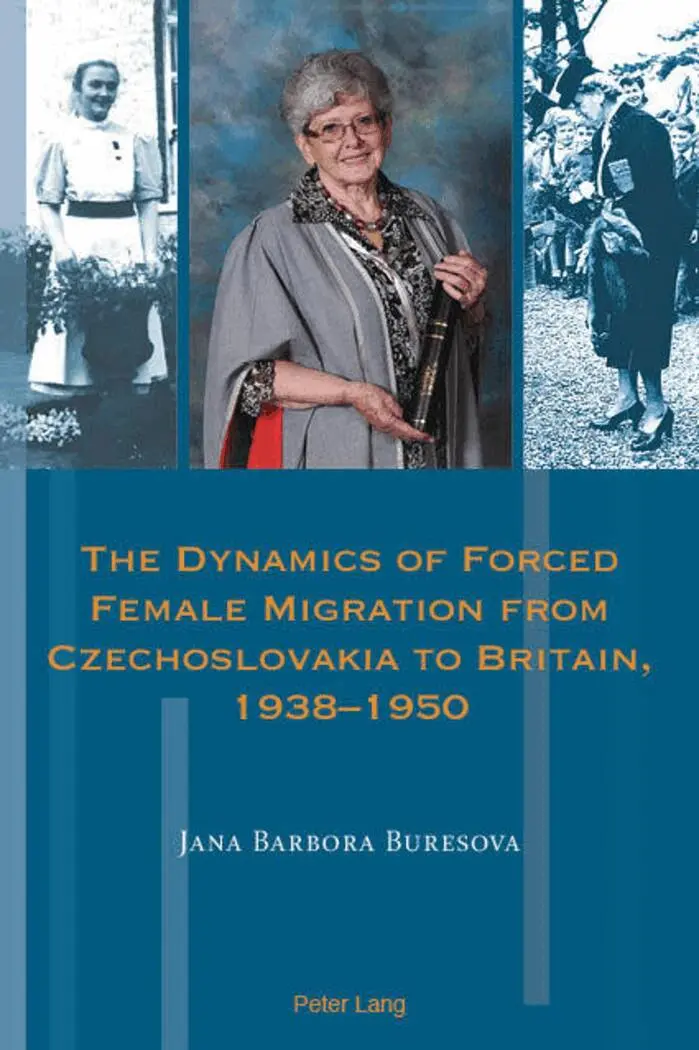
Dynamics of Forced Female Migration from Czechoslovakia to Britain, 1938–1950
Del 18 i serien Exile Studies
868 kr
Beställningsvara. Skickas inom 5-8 vardagar. Fri frakt över 249 kr.
Beskrivning
Produktinformation
- Utgivningsdatum: 2019-07-25
- Mått: 150 x 225 x 15 mm
- Vikt: 496 g
- Format: Häftad
- Språk: Engelska
- Serie: Exile Studies
- Antal sidor: 330
- Upplaga: 19001
- Förlag: Peter Lang International Academic Publishers
- ISBN: 9781788744461
Utforska kategorier
Mer om författaren
Jana Barbora Buresova is a committee member of the Research Centre for German and Austrian Exile Studies, attached to the Institute of Modern Languages Research (IMLR) at the University of London, where she was awarded the Martin Miller and Hannah Norbert-Miller Bursary for Doctoral Study. She is also involved in the Association of Jewish Refugees’ audio-visual Holocaust Testimony Archive project.
Recensioner i media
«Exile is 'not only about leaving one’s home, but about leaving, and perhaps losing, everything that one held dear'. This is how many women migrated from Czechoslovakia to Britain 1938–1950. In this path-breaking book, Buresova combines archival research with extensive interviews to create a vivid picture of the lives of women refugees.» (Professor Naomi Segal, Birkbeck, University of London)«A well-written and excellently researched book on a highly original subject. Nothing has previously appeared on female Czech exiles in Britain in World War II, and this book amply fills that gap. It will interest both scholars and the general public.» (Professor Emeritus Charmian Brinson, Imperial College London)«This is a first-rate contribution to the hugely topical subject of migrant history, investigating the sorely neglected theme of women forced into exile in wartime Britain from the former Czechoslovakia. Buresova depicts with great empathy, mastery and picturesque detail a tapestry of culturally and ethnically diverse, but intertwined lives. Moreover, she shows how Britain’s betrayal of Czechoslovakia at Munich in 1938, which had done so much to precipitate the war, continued to have its distinctive repercussions – emotional as well as political – among hosts and refugees alike.» (Robert Evans, Regius Professor of History Emeritus, University of Oxford)
Betyg & recensioner
0 recensioner
Inga recensioner tillgängliga.