Häftad, Engelska, 1900
Conversations between Objects
Av Linda Hulin
235 kr
Tillfälligt slut
Beskrivning
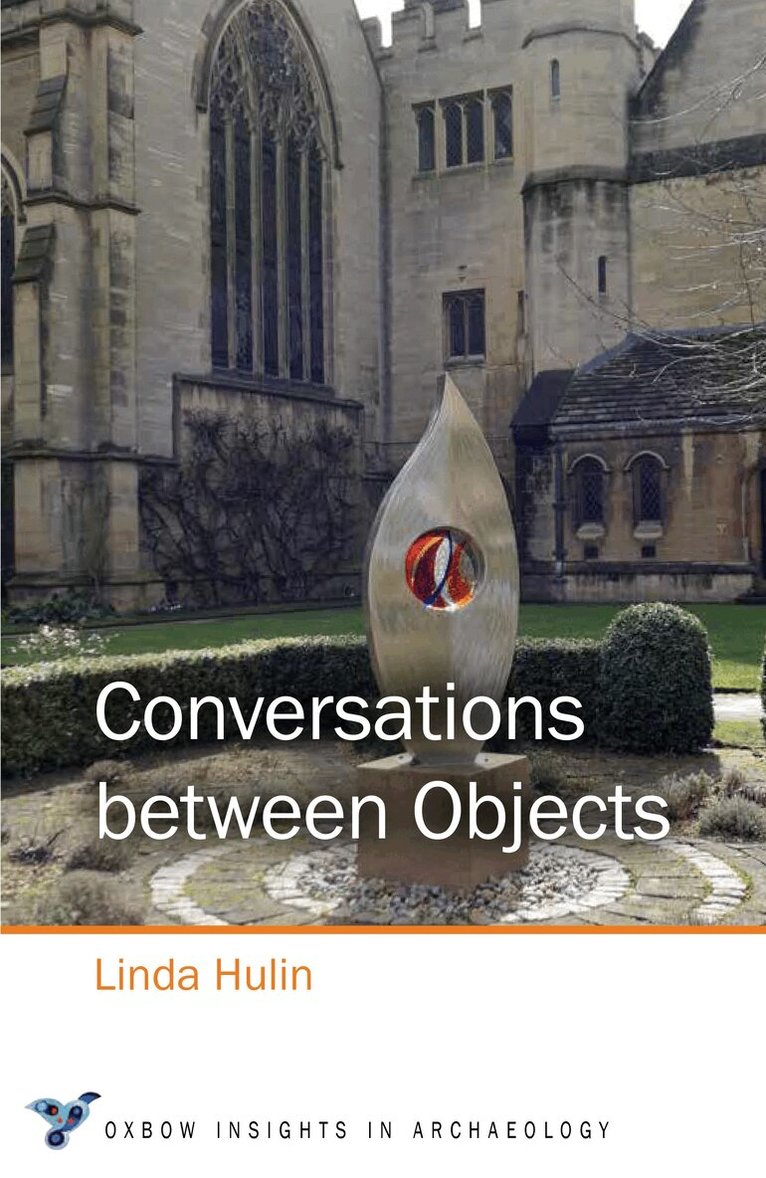
Linda Hulin considers the relationship between the archaeological record and human past and examines the differences that arise between the practice of excavating material culture and the models for thinking about it. Two common themes emerge: the dominance of vision as a medium of both recording the past and a vehicle for understanding it and the primacy given to knowledge over sensation. The interplay between knowledge and experience is a major thread running through this argument and offers a way to deal with the quantities of mundane items that constitute the bulk of material culture. Hulin considers how, during fieldwork, the habitus is physically and intellectually deconstructed and then reconstituted in post-excavation analysis when the context in its entirety should be the basic unit of analysis, starting with the space in which it is situated. She then explores how buildings have come to be understood as solid metaphors for liquid social relations, places where the symbolism of sacred and secular power is brought to life, using The Sackler Library to demonstrate that the symbolic message of a building overlaps with, but is different from, the everyday experience of it. She examines the conscious and unconscious effects of built space and presents a series of case studies of domestic contexts that examine the ways in which objects within rooms work together to create or preclude harmonious or dissonant effects. The relationship between building and contents is then taken in two directions: archaeologies of empire are presented to demonstrate the effects of climate and circumstances on buildings and objects that are transplanted from ‘home’ to ‘abroad’ in an attempt to maintain a consistency of institutional and bodily experience; houses in the UK, Italy and the Near East show how long-term occupancy affects the acquisition of objects and decoration of rooms: essentially how bodily experience is unconsciously impacted by the sedimentation of objects. Finally, the discussion returns to excavation, and closes with a call to re-orient the analysis of material culture to make it a more collaborative and integrated process. Ultimately, this work brings the ordinariness of the object world back into discourse by exploring their effect, en masse, upon the human body.
Produktinformation
- Utgivningsdatum: 1900-01-01
- Mått: 128 x 197 x undefined mm
- Format: Häftad
- Språk: Engelska
- Antal sidor: 160
- Förlag: Oxbow Books
- ISBN: 9781789250039
Utforska kategorier
Betyg & recensioner
0 recensioner
Inga recensioner tillgängliga.