• Fri frakt över 249 kr
  • •
  • Snabba leveranser
  • •
  • Billiga böcker
Kundservice

Du är på sajten för privatpersoner.

Företag, bibliotek eller offentlig verksamhet?

Du handlar på classic.bokus.com, där alla dina funktioner finns intakta.
Till classic.bokus.com
Bokus logotyp. Gå till startsidan.
  • Erbjudanden
  • Nyheter
  • Student
  • Topplistor
  • Barn & ungdom
  • Bokus Play
  • E-böcker
  • Pocketböcker
  • Spel & pussel

10% studentrabatt med kod TERM26

Sidfot

Mina sidor

    Hjälp

    • Kundservice
    • Vanliga frågor och svar
    • Frakt och leverans
    • Retur vid ångerrätt
    • Reklamera vara
    • Betalning
    • Köpvillkor
    • Allmänna villkor
    • Information om webbplatsens tillgänglighet

    Om Bokus

    • Om oss
    • Pressrum
    • För studenter
    • För företag
    • För bibliotek och offentlig verksamhet
    • För leverantörer
    • Hållbarhet

    Populärt

    • Aktuella erbjudanden
    • Presentkort
    • Studentlitteratur
    • Nya böcker
    • Topplistor
    • Signerade böcker
    • Engelska böcker

    Inspiration

    • Boktips
    • BookTok
    • Populära bokserier
    • Barnbokskaraktärer
    • Populära författare
    Logotyp för Bokus
    Följ oss på Facebook (extern länk)Följ oss på Instagram (extern länk)Följ oss på YouTube (extern länk)Följ oss på TikTok (extern länk)
    bokus @ CookiesAnpassa cookiesIntegritetspolicyKöpvillkor
    Till Citymail hemsida (extern länk)Till Budbee hemsida (extern länk)Till Postnord hemsida (extern länk)Till Schenker hemsida (extern länk)Till Early Bird hemsida (extern länk)Till Walleys hemsida (extern länk)
    1. Historia och arkeologi
    2. Arkeologi
    3. Arkeologiska perioder och områden

    Colonial Geopolitics and Local Cultures in the Hellenistic and Roman East (3rd century BC – 3rd century AD)

    Géopolitique coloniale et cultures locales dans l’Orient hellénistique et romain (IIIe siècle av. J.-C. – IIIe siècle ap. J.-C.)

    AvHadrien Bru,Adrian George Dumitru

    Häftad, Engelska, 2021

    586 kr

    Skickas . Fri frakt över 249 kr.

    Beskrivning

    Colonial Geopolitics and Local Cultures in the Hellenistic and Roman East (3rd century BC – 3rd century AD) presents contributions taken in the main from a panel held during the Celtic Conference in Classics 2014 (Edinburgh, Scotland, June 25-28th 2014), but also incorporates a number of papers given previously at another panel which convened at Mamaia (Romania, September 23-27th, 2012). What changes in the material culture can we observe, when a state is overwhelming a local population with soldiers, katoikoi, and civil officials or merchants? One of the main concerns of local geopolitics was the central question of how agricultural land was distributed to the Greek or Roman colonists after it had been seized from the native population? In what way did the state watch over and administer the colonised territories? What were the exact social, legal, cultural and political relationships between the natives and the newcomers? Did the language of the colonists dominate the local vernacular language or not, and in what way? Did onomastics change or not in particular regions over centuries? What were the mutual influences between native and colonial cultures? This collection addresses these questions, focusing on the Hellenistic and Roman East.


    Produktinformation

    • Utgivningsdatum:2021-12-23
    • Mått:205 x 290 x 12 mm
    • Vikt:1 320 g
    • Format:Häftad
    • Språk:Engelska, Franska
    • Antal sidor:228
    • Förlag:Archaeopress
    • ISBN:9781789699821

    Utforska kategorier

    • Arkeologiska perioder och områden inom Historia och arkeologi

    Mer om författaren

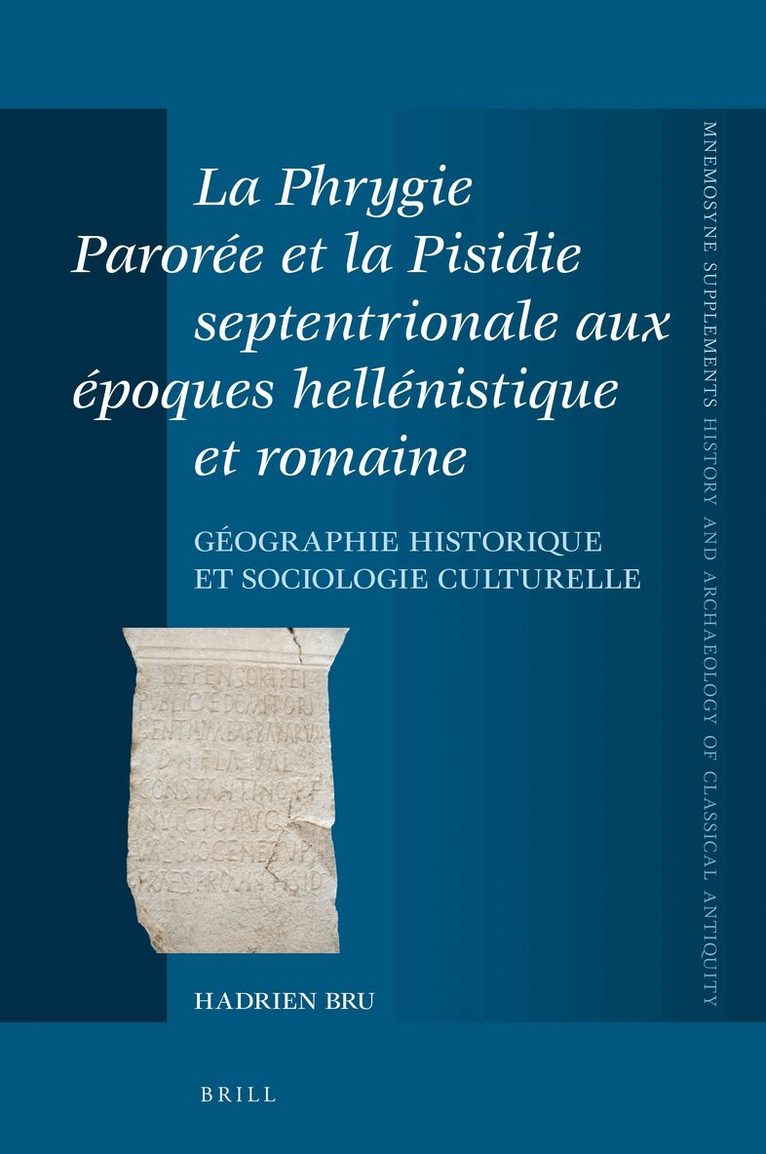
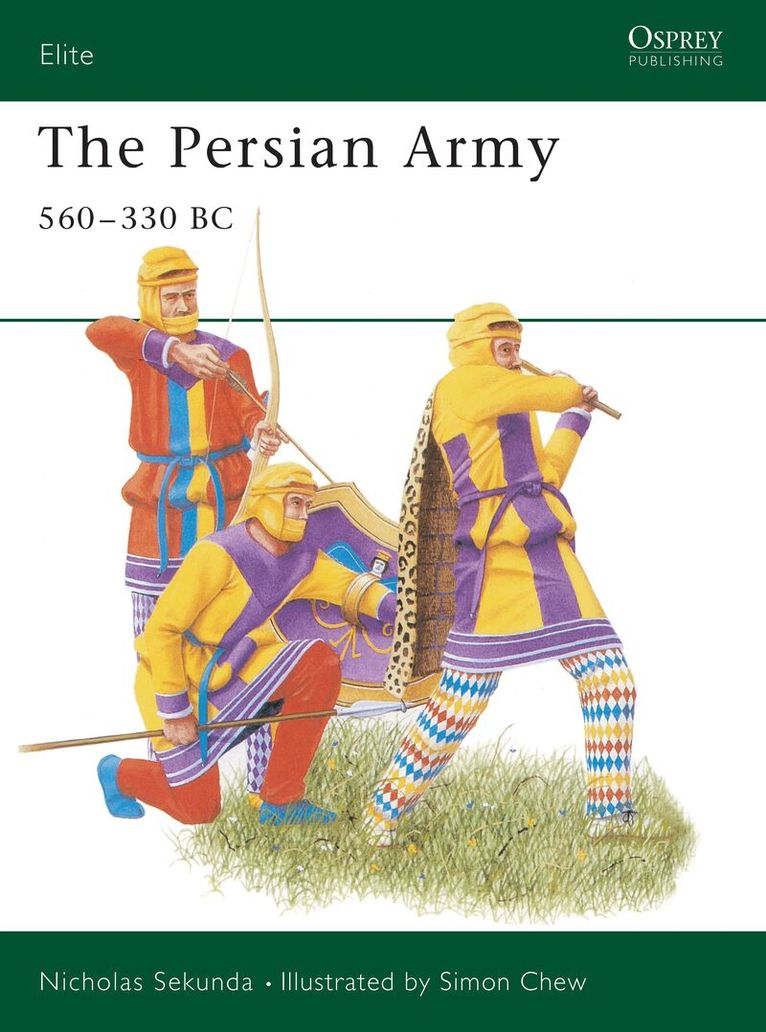
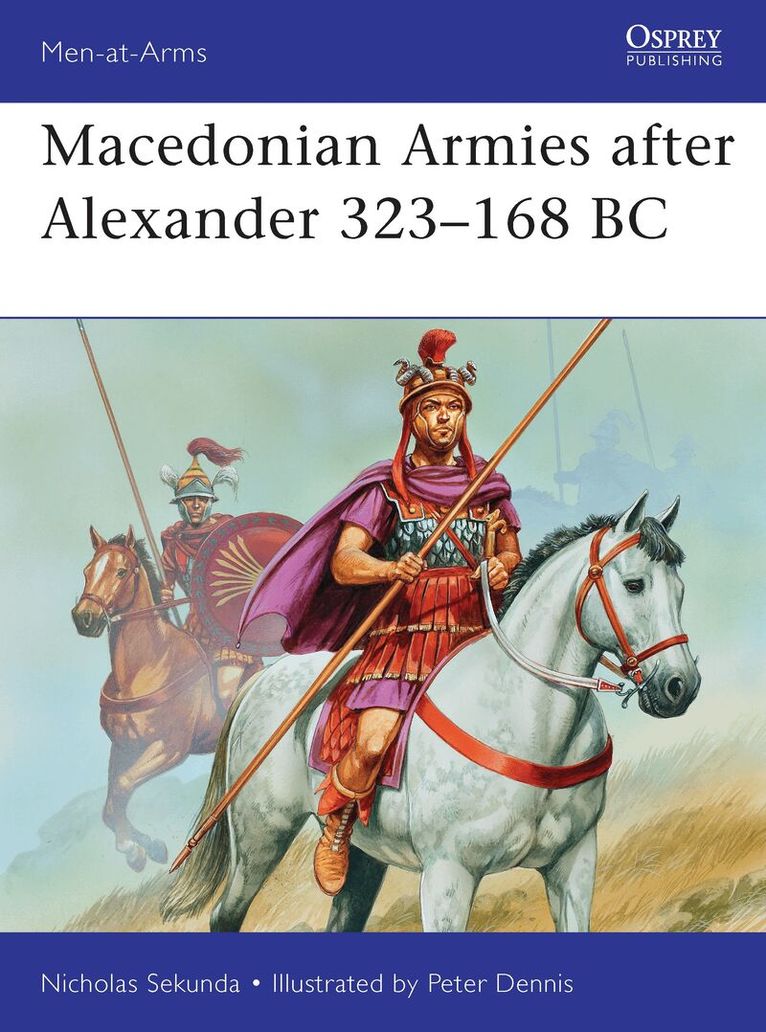
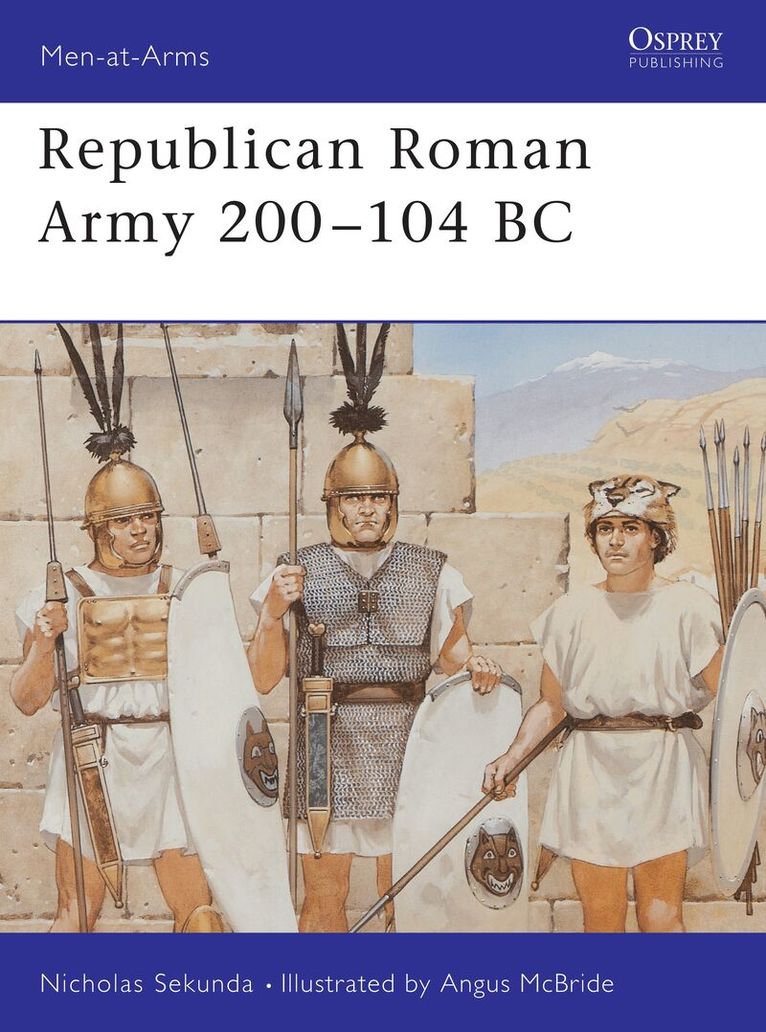
    Hadrien Bru is a French historian and epigrapher working on Hellenistic and Roman Anatolia and Near East, Maître de Conférences HDR in Ancient History at the University of Bourgogne-Franche Comté (Besançon). His notable publications include: L’Asie Mineure dans l’Antiquité : échanges, populations et territoires (2009), Le pouvoir impérial dans les provinces syriennes. Représentations et célébrations d’Auguste à Constantin (31 av. J.-C.-337 ap. J.-C.) (2011), L’Anatolie des peuples, cités et cultures (IIe millénaire av. J.- C.-Ve siècle ap. J.-C.) (2013) and La Phrygie Parorée et la Pisidie septentrionale aux époques hellénistique et romaine. Géographie historique et sociologie culturelle (2017). ; Adrian George Dumitru is a Romanian historian of the Hellenistic world. He holds a PhD from the Universities of Bucharest and Paris IV Sorbonne and his research focuses principally on the Seleucid kingdom and the city of Byzantion. He is the author of a number of papers dedicated to those subjects (his most recent deals with the neglected topic of the tyrants of the Hellenistic Near East) and he also teaches seminars on Roman history at the University of Bucharest. ; Nicholas V. Sekunda holds a PhD from Manchester University. He has held research positions at Monash University in Melbourne and at the Australian National University in Canberra. He currently holds the post of Head of Department of Mediterranean Archaeology at Gdansk University. He has participated in excavations in England, Poland, Iran, Greece, Syria and Jordan, and now co-directs excavations at Negotino Gradište in the Republic of North Macedonia. Nicholas is the author of a number of books concerning Greek Warfare.

    Recensioner i media

    'Like many edited volumes, then, the work under review will be of value to readers not as a collection of interrelated studies, but as a home to individual articles that must be consulted as part of one’s scholarly due diligence. The production value is quite good, with few noticeable errors and a significant number of helpful images, maps, and tables to assist in comprehending the arguments.' – Jeremy LaBuff (2023): Bryn Mawr Classical Review

    Innehållsförteckning

    • Introduction ; Part 1: Territories and colonial settlements ; Hellenistic colonization and local culture in Commagene and Northern Cyrrhestice – Margherita Facella ; The territory of Hierapolis in Phrygia after the Greek colonization and some remarks on Nikaia in Bithynia and Apollonia in Pisidia: the evidence from archaeological surveys and satellite remote sensing – Giuseppe Scardozzi ; On The Treaty of Apamea. The territorial clause – Adrian Dumitru ; The nature of Attalid katoikiai (188-133 BC) – Nicholas Sekunda ; Les Thraces et Lyciens en Phrygie Parorée aux époques hellénistique et romaine – Hadrien Bru ; Part 2: Economics and imperial domination ; The introduction of Hellenic cults in Seleukid Syria: colonial appropriation and transcultural exchange in the creation of an Imperial landscape – Rolf Strootman ; Les relations entre les Thraces et les cités grecques de la mer Noire : conflits, alliances, transferts institutionnels – Adrian Robu ; Late cistophoric production during the Mithridatic Wars: a comparison between the mints of Ephesus and Tralles – Lucia Francesca Carbone ; Regional currencies within an empire. Bronze coinages of Greece and Asia at the time of the Roman conquest: a case of partial monetary convergence – Gilles Bransbourg ; Part 3: Indigenous cultures and colonial contacts ; Decolonizing the Indo-Greeks – Richard Wenghofer ; Entre perte d’autonomie, acculturation et intégration : les incolae de la colonie romaine de Dion – Julien Demaille ; Paus. X. 23. 14 on the Galatians’ Passage to Asia: lost in translation – Oleg Gabelko ; Les chrétiens d’Asie Mineure et l’évangélisation du Barbaricum danubien (IIIe-IVe siècles). Des relations assez mal connues – Attila Jakab ; Part 4: Forms of military presence ; Soldiers and Hellenism: recruitment in the Hellenistic militaries – D.J. Houle ; Germanicus, Trajan, and the date of Annals 1-6 – Katherine Low ; Two military camps on the Roman Limes: Dura-Europos and Novae (an example of Roman Imperial propaganda through official state religion) – Oleg Alexandrov ; The political propaganda of the cities of Thrace and the Asianic provinces. Some aspects of interactions (A preliminary study) – Ivo Topalilov ; Indices ; Geographical index ; Index of personal names ; Cultural, historical, geographical and political communities ; Deities