• Fri frakt över 249 kr
  • •
  • Snabba leveranser
  • •
  • Billiga böcker
Kundservice

Du är på sajten för privatpersoner.

Företag, bibliotek eller offentlig verksamhet?

Du handlar på classic.bokus.com, där alla dina funktioner finns intakta.
Till classic.bokus.com
Bokus logotyp. Gå till startsidan.
  • Erbjudanden
  • Nyheter
  • Student
  • Topplistor
  • Barn & ungdom
  • Bokus Play
  • E-böcker
  • Pocketböcker
  • Spel & pussel

10% rabatt på allt med kod: NYSTART10 →

Sidfot

Mina sidor

    Hjälp

    • Kundservice
    • Vanliga frågor och svar
    • Frakt och leverans
    • Retur vid ångerrätt
    • Reklamera vara
    • Betalning
    • Köpvillkor
    • Allmänna villkor
    • Information om webbplatsens tillgänglighet

    Om Bokus

    • Om oss
    • Pressrum
    • För studenter
    • För företag
    • För bibliotek och offentlig verksamhet
    • För leverantörer
    • Hållbarhet

    Populärt

    • Aktuella erbjudanden
    • Presentkort
    • Studentlitteratur
    • Nya böcker
    • Topplistor
    • Signerade böcker
    • Engelska böcker

    Inspiration

    • Boktips
    • BookTok
    • Populära bokserier
    • Barnbokskaraktärer
    • Populära författare
    Logotyp för Bokus
    Följ oss på Facebook (extern länk)Följ oss på Instagram (extern länk)Följ oss på YouTube (extern länk)Följ oss på TikTok (extern länk)
    bokus @ CookiesAnpassa cookiesIntegritetspolicyKöpvillkor
    Till Citymail hemsida (extern länk)Till Budbee hemsida (extern länk)Till Postnord hemsida (extern länk)Till Schenker hemsida (extern länk)Till Early Bird hemsida (extern länk)Till Walleys hemsida (extern länk)
    1. Historia och arkeologi
    2. Arkeologi

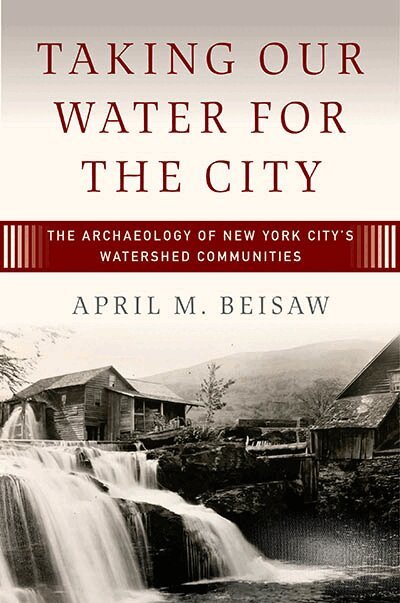
    Taking Our Water for the City

    The Archaeology of New York City’s Watershed Communities

    AvApril M. Beisaw

    Inbunden, Engelska, 2022

    1 697 kr

    Beställningsvara. Skickas inom 5-8 vardagar. Fri frakt över 249 kr.

    Fler format och utgåvor

    Häftad

    Kommande

    Beskrivning

    Tap water enables the development of cities in locations with insufficient natural resources to support such populations. For the last 200 years, New York City has obtained water through a network of nineteen reservoirs and controlled lakes, some as far as 125-miles away. Engineering this water system required the demolition of rural communities, removal of cemeteries, and rerouting of roadways and waterways. The ruination is ongoing. This archaeological examination of the New York City watershed reveals the cultural costs of urban water systems. Urban water systems do more than reroute water from one place to another. At best, they redefine communities. At worst, they erase them.

    Produktinformation

    • Utgivningsdatum:2022-12-09
    • Mått:152 x 229 x 17 mm
    • Vikt:354 g
    • Format:Inbunden
    • Språk:Engelska
    • Antal sidor:154
    • Förlag:Berghahn Books
    • ISBN:9781800738140

    Utforska kategorier

    • Arkeologi inom Historia och arkeologi
    • Antropologi inom Samhälle och politik

    Mer om författaren

    April M. Beisaw is an Associate Professor of Anthropology at Vassar College in Poughkeepsie New York. Since publishing Identifying and Interpreting Animal Bones: A Manual, with Texas A&M University Press, April has focused on the archaeology of the recent past. Her work on the impacts of the New York City water system on contemporary watershed communities has appeared in the International Journal of Historical Archaeology and as a chapter within the volume Contemporary Archaeology and the City: Creativity, Ruination, and Political Action.

    Recensioner i media

    “The book is short and filled with vivid stories that bring the research to life. It does a marvelous job of developing an archaeological model for investigating the hidden histories of power that lie beneath seemingly natural landscapes. As such, the book will prove a highly useful text for undergraduate archaeological training.” • Hist Arch“Beisaw takes the reader along with herself and her students as they walked over, through, and around the watershed communities of New York whose lands and livelihoods continue to be impacted by New York City’s ever-increasing need for water. The careful and example-filled work provides the best sorts of nuance about the ways that text, artifact, and oral history can be harnessed by archaeological practice to show the real stakes of our collective use of water, and how that world-sanctioned human right will be even further at risk as the oceans rise and our climate continues to change.” • Rebecca S. Graff, Lake Forest College

    Innehållsförteckning

    • IntroductionUrban Water as an (Un)natural ResourceArchaeology’s Unique PerspectiveBook OutlineChapter 1. Archaeology and the Contemporary PastPast, Present, FutureArchaeological Method and TheoryConnections and ConclusionsChapter 2. New York City’s Water SystemStarting on Manhattan IslandReaching Off-IslandAcquiring More Distant LandsConnections and ConclusionsChapter 3. Kent: A Town RepurposedIntroductionHistoryArchaeology of City-Owned LandsConnections and ConclusionsChapter 4. Olive: A Town TraumatizedIntroductionHistoryArchaeology of City-Owned LandsConnections and ConclusionsChapter 5. Water Pasts for Water FuturesAn Archaeology of Watershed CommunitiesArchaeologists as Effective Activists?ConclusionBibliography