Häftad, Engelska, 2026
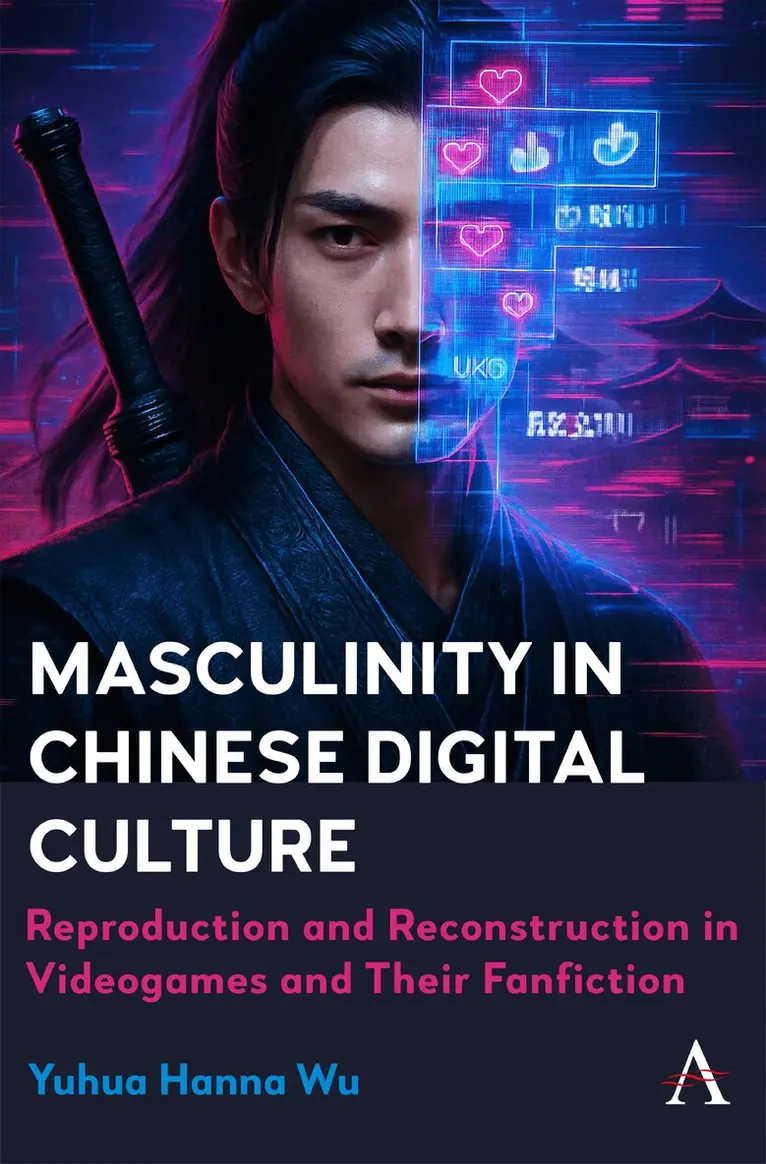
Masculinity in Chinese Digital Culture
377 kr
Beställningsvara. Skickas inom 3-6 vardagar. Fri frakt över 249 kr.
Beskrivning
Over the last 15 years, Chinese videogames and fan production have become spaces where state-sanctioned gender norms are reproduced, altered, and challenged. This book analyzes the representation of masculinity in the Chinese MMORPG Jianxiaqingyuan Online (Jian 3) (2009) and how fanfiction writers either reproduce or transform these representations. One chapter shows that the Chinese game, Jian 3, expresses Chinese hegemonic masculinity through game procedures, and its four fanfics borrow game procedures to reproduce Chinese hegemonic masculinity. More specifically, the game expresses a loyalty-based collectivist Chinese hegemonic masculinity through its in-game rewards and game systems. Fanfics transform it into an individualist Chinese hegemonic masculinity, and do so in terms of body, mind, and social position. The analysis thus challenges the long-standing argument that videogame fanfics only adapt characters and settings.Another chapter explores how Jian 3 expresses soft masculinity through its game characters and other game objects, and how its fanfics reconstruct this soft masculinity as textual feminine masculinities. The game represents soft masculinity through different game objects that function differently in terms of their ambiguity. This ambiguity leads to different and even contradictory interpretations of masculinity in relation to two characteristics: sexuality and the degree of control the characters have over themselves. Three analyzed fanfics take the ambiguous male–male relationships in the game and transform them into explicit homosexual relationships. They establish a form of masculinity characteristic of textual feminine masculinities, highlighting reciprocity, equality, tenderness, androgyny, and intensity. The ambiguous expression of soft masculinity, which in the game is a means of attracting danmei fans while avoiding censorship, becomes in the fanfics a pleasure for fans to reimagine a wide range of sexual orientations and fantasies with alternative forms of masculinity that challenge the heteronormative masculinity proposed by the state. The book contributes to game studies by providing insights into how masculinity is represented in Chinese MMORPGs and exploring the ideological implications of the relationship between games and fanfiction. It also contributes to fan studies by showcasing the different textual and rhetorical strategies used by fanfic writers to negotiate with state-sanctioned gender norms.
Produktinformation
- Utgivningsdatum: 2026-11-10
- Mått: 153 x 229 x 13 mm
- Vikt: 454 g
- Format: Häftad
- Språk: Engelska
- Serie: Anthem Impact in Asian Media, Cinema and Communications
- Antal sidor: 100
- Förlag: Anthem Press
- ISBN: 9781801360043
Utforska kategorier
Betyg & recensioner
0 recensioner
Inga recensioner tillgängliga.