• Fri frakt över 249 kr
  • •
  • Snabba leveranser
  • •
  • Billiga böcker
Kundservice

Du är på sajten för privatpersoner.

Företag, bibliotek eller offentlig verksamhet?

Du handlar på classic.bokus.com, där alla dina funktioner finns intakta.
Till classic.bokus.com
Bokus logotyp. Gå till startsidan.
  • Erbjudanden
  • Nyheter
  • Student
  • Topplistor
  • Barn & ungdom
  • Bokus Play
  • E-böcker
  • Pocketböcker
  • Spel & pussel

10% rabatt på allt med kod NYSTART10 →

Sidfot

Mina sidor

    Hjälp

    • Kundservice
    • Vanliga frågor och svar
    • Frakt och leverans
    • Retur vid ångerrätt
    • Reklamera vara
    • Betalning
    • Köpvillkor
    • Allmänna villkor
    • Information om webbplatsens tillgänglighet

    Om Bokus

    • Om oss
    • Pressrum
    • För studenter
    • För företag
    • För bibliotek och offentlig verksamhet
    • För leverantörer
    • Hållbarhet

    Populärt

    • Aktuella erbjudanden
    • Presentkort
    • Studentlitteratur
    • Nya böcker
    • Topplistor
    • Signerade böcker
    • Engelska böcker

    Inspiration

    • Boktips
    • BookTok
    • Populära bokserier
    • Barnbokskaraktärer
    • Populära författare
    Logotyp för Bokus
    Följ oss på Facebook (extern länk)Följ oss på Instagram (extern länk)Följ oss på YouTube (extern länk)Följ oss på TikTok (extern länk)
    bokus @ CookiesAnpassa cookiesIntegritetspolicyKöpvillkor
    Till Citymail hemsida (extern länk)Till Budbee hemsida (extern länk)Till Postnord hemsida (extern länk)Till Schenker hemsida (extern länk)Till Early Bird hemsida (extern länk)Till Walleys hemsida (extern länk)
    1. Historia och arkeologi
    2. Historia
    3. Historia: särskilda händelser och ämnen
    4. Slaveri

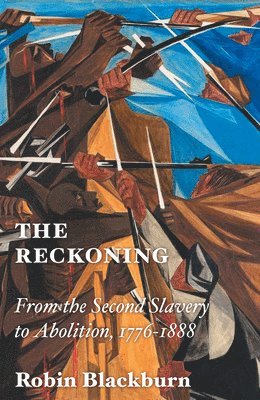
    Reckoning

    From the Second Slavery to Abolition, 1776-1888

    AvRobin Blackburn

    Inbunden, Engelska, 2024

    420 kr

    Beställningsvara. Skickas inom 7-10 vardagar. Fri frakt över 249 kr.

    Fler format och utgåvor

    E-bok

    260 kr

    Beskrivning

    The Age of Revolution (1776-1848) destroyed the main slave regimes of the Caribbean but a 'Second Slavery' surged in the US South, Cuba and Brazil, powered by demand for plantation produce and a system of financial credit that leveraged the value of the slaves. By 1860, more than 6 million captives of African descent toiled to produce the cotton, sugar and coffee craved by global consumers. This 'Second Slavery' mimicked capitalist disciplines, intensified slavery's racial character and launched half a century of headlong economic growth.On the eve of the American Civil War, the Slave Power seemed invincible. The slaveholding elite entrenched their 'peculiar institution' in the fabric of the Union only to risk everything on secession. Nobody solicited the slaves' wishes until it became clear that, wherever they could, they were deserting the plantations and joining the Union forces.Abolition radicals destroyed the Second Slavery and victory for the North also spelled defeat for slavery in Cuba and Brazil. But in each of these societies racial oppression was to be reconfigured by 'Black Codes', Jim Crow and toxic doctrines of racial destiny.Slavery leaves an indelible mark on many Atlantic nations. The Reckoning charts the historic impact of slavery and anti-slavery, of black and white activists, of fugitive slaves, feminists, writers, clerics and soldiers. Notwithstanding much unfinished business, the anti-slavery struggle retains its capacity to illuminate and inspire.

    Produktinformation

    • Utgivningsdatum:2024-02-06
    • Mått:153 x 234 x 39 mm
    • Vikt:722 g
    • Format:Inbunden
    • Språk:Engelska
    • Antal sidor:544
    • Förlag:Verso Books
    • ISBN:9781804293416

    Utforska kategorier

    • Slaveri inom Historia och arkeologi
    • Amerikas historia inom Historia och arkeologi
    • Etnicitet inom Samhälle och politik

    Mer om författaren

    Robin Blackburn is the critically acclaimed author of The Making of New World Slavery, The Overthrow of Colonial Slavery and The American Crucible. He is Emeritus Professor at the University of Essex and was a Distinguished Visiting Professor at the New School in New York. He lives in London

    Recensioner i media

    Tremendously impressive, the result of a lifetime of learning. Historical writing at its best

    Innehållsförteckning

    • Introduction: Why the ‘Second Slavery’?Patterns of the ‘First Slavery’Slavery’s Survivors: The American South, Brazil, CubaDistinctiveness of the Second Slavery Industry, Finance and SlaveryFortifications of the Second SlaveryPart One: Westwards Expansion I Pioneers of the Second SlaveryContested Origins of the United States The US Constitution and SlaveryAn Abolition Moment?The Northwest Ordinance and Militia Act From the Haitian Revolution to the Louisiana PurchaseBirth of the White Man’s Republic Indian Removal and the German Coast RevoltThe Price of CompromiseThe Missouri Controversy A Choice for Slavery II The Making of the Hispano-Cuban EliteA Cuban Miracle?Cuba as a ‘Society with Slaves’The British in Havana The Hispano-Cuban Reconquest of FloridaThe Great Slave Revolt in St DomingueThe Plantation Surge Cuba as a Slave SocietyThe Colonial Pact A Model Colony?III Brazil: Independence, Monarchy, Slavery and CitizenshipPatterns of Race and SlaveryMercantilism’s End and a New Slave Trade BoomStirrings of Independence and Anti-slavery The Last Days of Colonial BrazilAdherence to the Emperor Liberty, Pacification and Terror in Bahia Pedro’s Setbacks and Abdication The Regency and the Slave TradeBrazil and Backwardness Romanticism and ‘Natural History’Power Was EverythingBrazil Ends the Slave TradeIV Life and Toil on the Slave PlantationRacial Capitalism and the Chattel PrincipleA Multitude of Tasks‘Vigilance Without Punishment is an Illusion’The Productivity of Gang LabourThe Slaveholder as Colonist and Potentate Natural Economy and the Reproduction of the Slave PopulationV Slaveholder Capitalism, Credit and Westwards ExpansionSlaveholders and Modernity Dimensions of the Plantation BoomSlavery Away from the PlantationsCredit is King?Mechanization and its LimitsThe Special Case of Sugar ProcessingAccounting for SlaveryPlanters Ride the Business CycleSlave Dealers Become Sugar LordsHow Cotton Paid for EmpirePart Two: Why the Slaveowners Lost VI. War, Peace and Slavery, 1815-60Mechanics of the Congress SystemConservative Reaction and Bourgeois AdvanceThe Vienna Congress and the Slave TradeLatin America, Britain and the Monroe Doctrine A Congress of the Americas?The Fate of CubaBrazil, Britain and the Upshot of 1850 The Diplomacy of Bullies Filibustering in Texas and CubaMutations of the PeaceVII. Anti-Slavery and the Origins of the Civil WarAnti-Slavery and the Northern MilieuThe Appeal and the Liberator The American Anti-Slavery Society‘A Shock as of an Earthquake’: Pro-Slavery OverreachesSplits over Women’s Rights The Whig and Liberty parties The Role of Frederick DouglassPolitical Abolitionism, Free Soil and the Wilmot Proviso Militant Anti-slaveryThe Dynamics of the Sectional ConflictThe Fugitive Slave Law and Underground Railroad Bleeding Kansas The Rise of the Republican PartyThe Slave Power and the Dred Scott Decision John Brown’s BodyThe Last Cords of Union BreakThe Meaning of Secession: A Slaveholders’ RevoltVIII. Emancipation and Reconstruction in North AmericaWar for the UnionNovelty of the US Civil WarLincoln Discovers that Patriotism Is Not EnoughThe Emancipation Proclamation Emancipation from Above and BelowThe Defeat of the ConfederacyPresidential Reconstruction and the Radical ChallengeThe Radical Programme: Confiscation and Black SuffrageThe Rise and Fall of Radical Reconstruction in the SouthThe North and Radical ReconstructionBlacks and Whites in the New South A Second Revolution?IX. The Ending of Slavery in CubaCuba and Isabelline Spain   Puerto Rican Comparisons Tepid Abolitionism of the Cuban Middle ClassSpain’s Politics of AttractionCrisis of the Isabelline RegimeAbolitionism and the Priorities of Imperialist DiplomacyThe Moret Law The ‘Lottery of Princes’  The Republic of DukesBourbon Restoration and the Triumph of the RentierThe Pact of ZanjónSlavery Ends at LastThe United States Seizes Control X. Brazil: The Last EmancipationSlavery’s Place in the Imperial Order Repercussions of the Atlantic Slave Trade Ban The War with Paraguay Crabwise Advance of Emancipationism The Rio Branco Law of 1871The Political Economy of FreedomChurch and StateThe Social Profile of Brazilian AbolitionismRepublicanism and PositivismThe Abolitionist Offensive, 1880-4The Final Assault on Slavery   Ordered Freedom‘A Tattered and Ridiculous Liberty’Epilogue: Legacies of Slavery and AbolitionAcknowledgements