Bonnie and Clyde
172 kr
Kommande
Fler format och utgåvor
Beskrivning
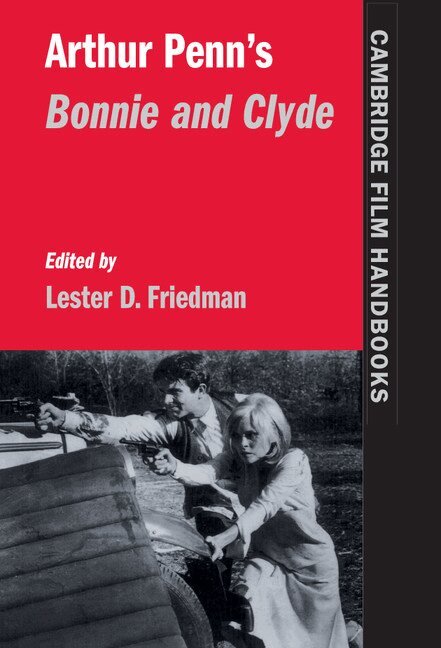
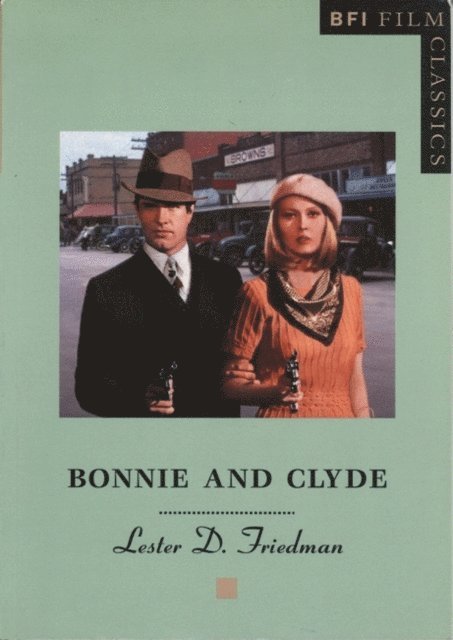
Arthur Penn's Bonnie and Clyde (1967) was the prototype of the 1970s 'New Hollywood': anti-authority, candid about sex, and morally neutral, it scandalised mainstream opinion on its release. Part of an emerging youth and protest movement, its graphic and balletic violence was highly subversive in the context of the war in Vietnam. It spoke directly to younger audiences, who were already pitted against their more conservative elders and easily identified with the Warren Beatty's Clyde and Faye Dunaway's Bonnie. Lester D. Friedman's compelling study traces how Bonnie and Clyde changed not only Hollywood film style but also critical attitudes, with its stylistic innovations and ambiguous morality defended by a new generation of critics, such as the then little-known Pauline Kael.Recognising Bonnie and Clyde's distinctive position in American culture and cinema history, Friedman explores the film's cultural framework, examines the contributions of its creative team and provides a detailed visual and thematic analysis. In his afterword to this new edition, he considers Bonnie and Clyde's continuing cultural and cinematic impact, from the stylized violence that influenced directors from Peckinpah to Tarantino, to its genre-defying portrayal of crime, sexuality, and gender roles and its influence on fashion, popular music and videogames.