• Fri frakt över 249 kr
  • •
  • Snabba leveranser
  • •
  • Billiga böcker
Kundservice

Du är på sajten för privatpersoner.

Företag, bibliotek eller offentlig verksamhet?

Du handlar på classic.bokus.com, där alla dina funktioner finns intakta.
Till classic.bokus.com
Bokus logotyp. Gå till startsidan.
  • Erbjudanden
  • Nyheter
  • Student
  • Topplistor
  • Barn & ungdom
  • Bokus Play
  • E-böcker
  • Pocketböcker
  • Spel & pussel

10% rabatt på allt med kod: NYSTART10 →

Sidfot

Mina sidor

    Hjälp

    • Kundservice
    • Vanliga frågor och svar
    • Frakt och leverans
    • Retur vid ångerrätt
    • Reklamera vara
    • Betalning
    • Köpvillkor
    • Allmänna villkor
    • Information om webbplatsens tillgänglighet

    Om Bokus

    • Om oss
    • Pressrum
    • För studenter
    • För företag
    • För bibliotek och offentlig verksamhet
    • För leverantörer
    • Hållbarhet

    Populärt

    • Aktuella erbjudanden
    • Presentkort
    • Studentlitteratur
    • Nya böcker
    • Topplistor
    • Signerade böcker
    • Engelska böcker

    Inspiration

    • Boktips
    • BookTok
    • Populära bokserier
    • Barnbokskaraktärer
    • Populära författare
    Logotyp för Bokus
    Följ oss på Facebook (extern länk)Följ oss på Instagram (extern länk)Följ oss på YouTube (extern länk)Följ oss på TikTok (extern länk)
    bokus @ CookiesAnpassa cookiesIntegritetspolicyKöpvillkor
    Till Citymail hemsida (extern länk)Till Budbee hemsida (extern länk)Till Postnord hemsida (extern länk)Till Schenker hemsida (extern länk)Till Early Bird hemsida (extern länk)Till Walleys hemsida (extern länk)
    1. Samhälle och politik
    2. Sociologi och antropologi
    3. Antropologi

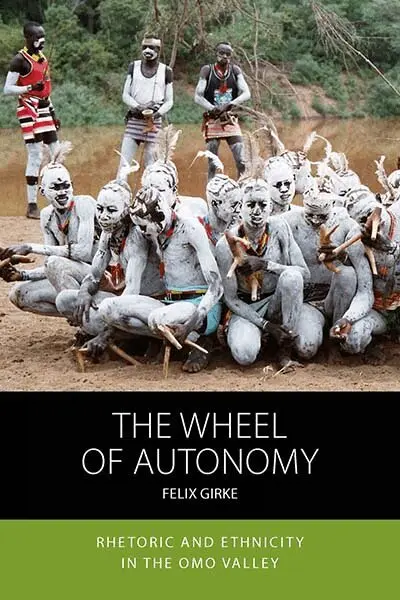
    Wheel of Autonomy

    Rhetoric and Ethnicity in the Omo Valley

    AvFelix Girke

    Häftad, Engelska, 2025

    Del 18 i serien Integration and Conflict Studies

    568 kr

    Beställningsvara. Skickas inom 3-6 vardagar. Fri frakt över 249 kr.

    Fler format och utgåvor

    Inbunden

    1 861 kr

    Beskrivning

    How do the Kara, a small population residing on the eastern bank of the Omo River in southern Ethiopia, manage to be neither annexed nor exterminated by any of the larger groups that surround them? Through the theoretical lens of rhetoric, this book offers an interactionalist analysis of how the Kara negotiate ethnic and non-ethnic differences among themselves, the relations with their various neighbors, and eventually their integration in the Ethiopian state. The model of the “Wheel of Autonomy” captures the interplay of distinction, agency and autonomy that drives these dynamics and offers an innovative perspective on social relations.

    Produktinformation

    • Utgivningsdatum:2025-05-01
    • Mått:152 x 229 x 20 mm
    • Vikt:454 g
    • Format:Häftad
    • Språk:Engelska
    • Serie:Integration and Conflict Studies
    • Antal sidor:308
    • Förlag:Berghahn Books
    • ISBN:9781836950615

    Utforska kategorier

    • Antropologi inom Samhälle och politik
    • Språkvetenskap och lingvistik inom Språk och ordböcker

    Mer om författaren

    Felix Girke is a social/cultural anthropologist and a post-doctoral researcher at the University of Konstanz, Germany. His publications include the edited volumes Ethiopian Images of Self and Other (UVHW, 2014) and The Rhetorical Emergence of Culture (Berghahn Books, 2011). He currently studies the politics of cultural heritage in Myanmar.

    Recensioner i media

    “This finely crafted book on a remarkable people is a welcome addition to Ethiopian studies, ethnic studies, and African social anthropology, and of theoretical interest to social scientists who want to know more about rhetoric theory as relevant in a ‘non-Western’ setting.” • JRAI“This is a superb book, which regarding theories of culture, the epistemology of ethnographic research, and the evolution of our understanding of South Omo societies is path-breaking… The writing is fresh, clear and evocative.” • John G. Galaty, McGill University

    Innehållsförteckning

    • List of IllustrationsAcknowledgmentsIntroduction: How Do They Do It?Chapter 1. A Rhetorical Approach to Groups and EthnicityChapter 2. Categories of Being KaraChapter 3. Ethnicity within Kara: The Demotion of the BogudoChapter 4. The Moguji: All That Is Not KaraChapter 5. The Schism and Other Predicaments of the MogujiChapter 6. The Regional Other in the Cultural NeighbourhoodChapter 7. South Omo in Kara TermsChapter 8. The Cleverness of the KaraChapter 9. Seeing like a TribeConclusionGlossary of Non-English TermsGlossary of Places and PeopleReferencesIndex