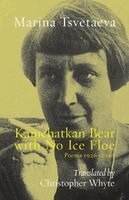
Häftad, Engelska, 2026
Kamchatkan Bear with No Ice Floe
229 kr
Beställningsvara. Skickas inom 5-8 vardagar. Fri frakt över 249 kr.
Beskrivning
In the first ten years of her Paris exile Marina Tsvetaeva produced far less poetry than when living in the Czech Lands, or in the tumultuous Moscow years between 1917 and 1922. The poetry was also different in kind. It came in cycles, prompted by the deaths of Vladimir Mayakovsky and Max Voloshin, or by passionate involvements with younger poets of the emigration. Rejecting totalitarianism on both the right and the left, she reached a high point with sequences to the different tables on which she wrote during thirty years, or to a bush (eliciting admiration from both Anna Akhmatova and Lydia Chukovskaya). In 'Yearning to get back home', comparing herself to a 'Kamchatkan bear with no ice floe', she expresses the full ambivalence of her attitude to the Russian homeland she had abandoned and where she would return, with tragic consequences, in July 1939.
Produktinformation
- Utgivningsdatum: 2026-09-04
- Mått: 140 x 216 x 9 mm
- Vikt: 170 g
- Format: Häftad
- Språk: Engelska
- Antal sidor: 138
- Förlag: Shearsman Books
- ISBN: 9781837380404
- Översättare: Christopher Whyte
Utforska kategorier
Betyg & recensioner
0 recensioner
Inga recensioner tillgängliga.