• Fri frakt över 249 kr
  • •
  • Snabba leveranser
  • •
  • Billiga böcker
Kundservice

Du är på sajten för privatpersoner.

Företag, bibliotek eller offentlig verksamhet?

Du handlar på classic.bokus.com, där alla dina funktioner finns intakta.
Till classic.bokus.com
Bokus logotyp. Gå till startsidan.
  • Erbjudanden
  • Nyheter
  • Student
  • Topplistor
  • Barn & ungdom
  • Bokus Play
  • E-böcker
  • Pocketböcker
  • Spel & pussel

10% rabatt på allt med kod: NYSTART10 →

Sidfot

Mina sidor

    Hjälp

    • Kundservice
    • Vanliga frågor och svar
    • Frakt och leverans
    • Retur vid ångerrätt
    • Reklamera vara
    • Betalning
    • Köpvillkor
    • Allmänna villkor
    • Information om webbplatsens tillgänglighet

    Om Bokus

    • Om oss
    • Pressrum
    • För studenter
    • För företag
    • För bibliotek och offentlig verksamhet
    • För leverantörer
    • Hållbarhet

    Populärt

    • Aktuella erbjudanden
    • Presentkort
    • Studentlitteratur
    • Nya böcker
    • Topplistor
    • Signerade böcker
    • Engelska böcker

    Inspiration

    • Boktips
    • BookTok
    • Populära bokserier
    • Barnbokskaraktärer
    • Populära författare
    Logotyp för Bokus
    Följ oss på Facebook (extern länk)Följ oss på Instagram (extern länk)Följ oss på YouTube (extern länk)Följ oss på TikTok (extern länk)
    bokus @ CookiesAnpassa cookiesIntegritetspolicyKöpvillkor
    Till Citymail hemsida (extern länk)Till Budbee hemsida (extern länk)Till Postnord hemsida (extern länk)Till Schenker hemsida (extern länk)Till Early Bird hemsida (extern länk)Till Walleys hemsida (extern länk)
    1. Ande, kropp och själ
    2. Ande, kropp och själ

    Tibetan Book of the Dead

    Buddhist Teachings on Death and Dying

    AvKarma Lingpa

    Inbunden, Engelska, 2022

    Del i serien Chinese Bound

    212 kr

    Skickas . Fri frakt över 249 kr.

    Fler format och utgåvor

    E-bok

    27 kr

    E-bok

    197 kr

    Beskrivning

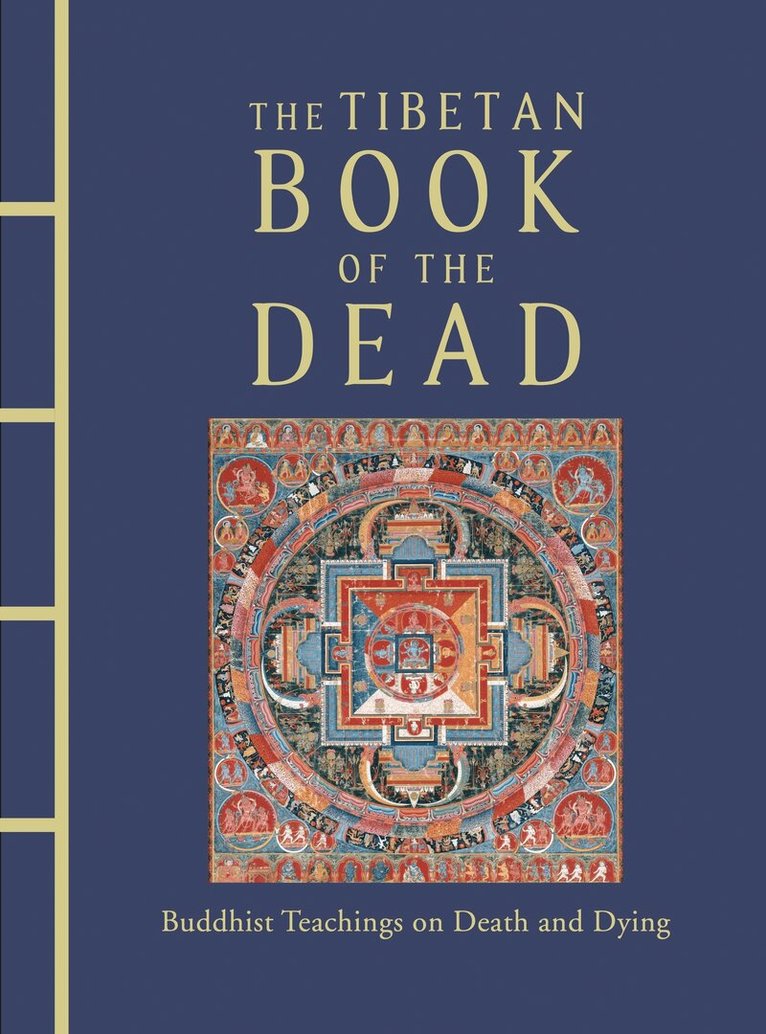
    First revealed by a Tibetan monk in the 14th century, Bardo Thodol (“Great Liberation upon Hearing in the Intermediate State”) – known more commonly as The Tibetan Book of the Dead – describes the experience of human consciousness in the bardo, the interval between death and the next rebirth in the cycle of death and rebirth. The teachings are designed to help the dying regain clarity of awareness at the moment of death, and by doing so achieve enlightened liberation. Popular throughout the world since the 1960s and overwhelmingly the best-known Buddhist text in the West, this classic translation by Kazi Dawa Samdup is divided into 21 chapters, with sections on the chikhai bardo, or the clear light seen at the moment of death; chönyid bardo, or karmic apparitions; the wisdom of peaceful deities, Buddhas and Bodhisattvas; the 58 flame-enhaloed, wrathful, blood-drinking deities; the judgement of those who the dying has known in life through the “mirror of karma”; and the process of rebirth. The text also includes chapters on the signs of death and rituals to undertake for the dying. Presented in a high-quality Chinese-bound format with accompanying illustrations, The Tibetan Book of the Dead is an ideal resource of ancient wisdom for anyone interested in Tibetan Buddhist notions of death and the path to enlightenment.

    Produktinformation

    • Utgivningsdatum:2022-10-14
    • Mått:203 x 251 x 20 mm
    • Vikt:817 g
    • Format:Inbunden
    • Språk:Engelska
    • Serie:Chinese Bound
    • Antal sidor:96
    • Förlag:Amber Books Ltd
    • ISBN:9781838862251
    • Översättare:Kazi Dawa Samdup, Lama Kazi Dawa Samdup

    Utforska kategorier

    • Ande, kropp och själ inom Ande, kropp och själ
    • Forntida religioner och mytologier inom Filosofi och religion

    Mer om författaren

    Lama Kazi Dawa Samdup was one of the first translators of important works of Tibetan Buddhism into the English language and helped introduce Buddhism to the West. He died in 1922.

    Innehållsförteckning

    • Book IThe Chikhai Bardo and the Chönyid Bardo The Obeisances The Introduction The Transference of the Consciousness-Principle The Reading of this Thödol The Practical Application of this Thödol by the OfficiantPart I The Bardo of the Moments of Death Instructions on the Symptoms of Death, or the First Stage of the Chikhai Bardo: The Primary Clear Light Seen at the Moment of Death Instructions Concerning the Second Stage of the Chikhai Bardo: The Secondary Clear Light Seen Immediately After DeathPart II The Bardo of the Experiencing of Reality Introductory Instructions Concerning the Experiencing of Reality during the Third Stage of the Bardo, Called the Chönyid Bardo, when the Karmic Apparitions Appear The Dawning of the Peaceful Deities, from the First to the Seventh Day The First Day The Second Day The Third Day The Fourth Day The Fifth Day The Sixth Day The Seventh Day The Dawning of the Wrathful Deities, from the Eight to the Fourteenth Day Introduction The Eighth Day The Ninth Day The Tenth Day The Eleventh Day The Twelfth Day The Thirteenth Day The Fourteenth Day The Conclusion, Showing the Fundamental Importance of the Bardo TeachingsBook II The Sidpa Bardo The Obeisances Introductory VersesPart I The After-Death World The Bardo Body: Its Birth and Its Supernormal Faculties Characteristics of Existence in the Intermediate State The Judgement The All-Determining Influence of Thought The Dawning of the Lights of the Six Lokas Part II The Process of Rebirth The Closing of the Door of the Womb Method of Preventing Entry into a Womb The First Method of Closing the Womb-Door The Second Method of Closing the Womb-Door The Third Method of Closing the Womb-Door The Fourth Method of Closing the Womb-Door The Fifth Method of Closing the Womb-Door The Choosing of the Womb-Door The Premonitory Visions of the Place of Rebirth The Protection Against the Tormenting Furies The Alternative Choosing: Supernormal Birth; or Womb-Birth Supernormal Birth by Transference to a Paradise Realm Womb-Birth: The Return to the Human World The General ConclusionThe Appendix I. The Invocation of the Buddhas and Bodhisattvas II. ‘The Path of Good Wishes for Saving from the Dangerous Narrow Passageway of the Bardo’ III. ‘The Root Verses of the Six Bardos’ IV. ‘The Path of Good Wishes which Protecteth from Fear in the Bardo’ V. The Colophon