• Fri frakt över 249 kr
  • •
  • Snabba leveranser
  • •
  • Billiga böcker
Kundservice

Du är på sajten för privatpersoner.

Företag, bibliotek eller offentlig verksamhet?

Du handlar på classic.bokus.com, där alla dina funktioner finns intakta.
Till classic.bokus.com
Bokus logotyp. Gå till startsidan.
  • Erbjudanden
  • Nyheter
  • Student
  • Topplistor
  • Barn & ungdom
  • Bokus Play
  • E-böcker
  • Pocketböcker
  • Spel & pussel

10% rabatt på allt med kod NYSTART10 →

Sidfot

Mina sidor

    Hjälp

    • Kundservice
    • Vanliga frågor och svar
    • Frakt och leverans
    • Retur vid ångerrätt
    • Reklamera vara
    • Betalning
    • Köpvillkor
    • Allmänna villkor
    • Information om webbplatsens tillgänglighet

    Om Bokus

    • Om oss
    • Pressrum
    • För studenter
    • För företag
    • För bibliotek och offentlig verksamhet
    • För leverantörer
    • Hållbarhet

    Populärt

    • Aktuella erbjudanden
    • Presentkort
    • Studentlitteratur
    • Nya böcker
    • Topplistor
    • Signerade böcker
    • Engelska böcker

    Inspiration

    • Boktips
    • BookTok
    • Populära bokserier
    • Barnbokskaraktärer
    • Populära författare
    Logotyp för Bokus
    Följ oss på Facebook (extern länk)Följ oss på Instagram (extern länk)Följ oss på YouTube (extern länk)Följ oss på TikTok (extern länk)
    bokus @ CookiesAnpassa cookiesIntegritetspolicyKöpvillkor
    Till Citymail hemsida (extern länk)Till Budbee hemsida (extern länk)Till Postnord hemsida (extern länk)Till Schenker hemsida (extern länk)Till Early Bird hemsida (extern länk)Till Walleys hemsida (extern länk)
    1. Filosofi och religion
    2. Religion och tro
    3. Buddhism

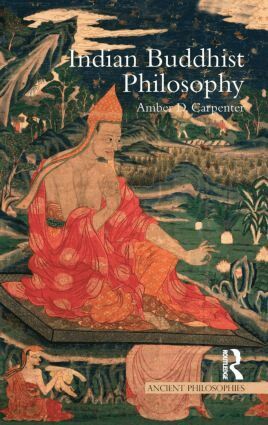
    Indian Buddhist Philosophy

    AvAmber Carpenter

    Inbunden, Engelska, 2013

    Del i serien Ancient Philosophies

    2 184 kr

    Beställningsvara. Skickas inom 10-15 vardagar. Fri frakt över 249 kr.

    Fler format och utgåvor

    E-bok

    704 kr

    E-bok

    704 kr

    Häftad

    597 kr

    Beskrivning

    Organised in broadly chronological terms, this book presents the philosophical arguments of the great Indian Buddhist philosophers of the fifth century BCE to the eighth century CE. Each chapter examines their core ethical, metaphysical and epistemological views as well as the distinctive area of Buddhist ethics that we call today moral psychology. Throughout, this book follows three key themes that both tie the tradition together and are the focus for most critical dialogue: the idea of anatman or no-self, the appearance/reality distinction and the moral aim, or ideal. Indian Buddhist philosophy is shown to be a remarkably rich tradition that deserves much wider engagement from European philosophy. Carpenter shows that while we should recognise the differences and distances between Indian and European philosophy, its driving questions and key conceptions, we must resist the temptation to find in Indian Buddhist philosophy, some Other, something foreign, self-contained and quite detached from anything familiar. Indian Buddhism is shown to be a way of looking at the world that shares many of the features of European philosophy and considers themes central to philosophy understood in the European tradition.

    Produktinformation

    • Utgivningsdatum:2013-12-19
    • Mått:138 x 216 x 30 mm
    • Vikt:630 g
    • Format:Inbunden
    • Språk:Engelska
    • Serie:Ancient Philosophies
    • Antal sidor:332
    • Förlag:Taylor & Francis Ltd
    • ISBN:9781844652976

    Utforska kategorier

    • Buddhism inom Filosofi och religion

    Mer om författaren

    Amber Carpenter is Lecturer in Philosophy at the University of York.

    Recensioner i media

    "This is an important contribution to the serious, detailed philosophical discussion of Buddhist ideas, an approach to the study of Buddhism that is still relatively young and undeveloped. The arguments for and against various Buddhist views are presented in an accessible and clear way, but without shying away from the inevitable conundrums and complexities. The study is well supported by a wide range of primary sources and references to recent scholarly discussions." - David Burton, Canterbury Christ Church University

    Innehållsförteckning

    • Chronology The Buddha Introduction 1. The Buddha's Suffering 2. Practice and Theory of No-Self 3. Klesas and Compassion 4. The Second Buddha's Greater Vehicle 5. Karmic Questions 6. Irresponsible Selves, Responsible Non-Selves 7. The Third Turning: Yogacara 8. The Long Sixth-Seventh Century: Epistemology as Ethics Epilogue Appendices Notes Further Reading