• Fri frakt över 249 kr
  • •
  • Snabba leveranser
  • •
  • Billiga böcker
Kundservice

Du är på sajten för privatpersoner.

Företag, bibliotek eller offentlig verksamhet?

Du handlar på classic.bokus.com, där alla dina funktioner finns intakta.
Till classic.bokus.com
Bokus logotyp. Gå till startsidan.
  • Erbjudanden
  • Nyheter
  • Student
  • Topplistor
  • Barn & ungdom
  • Bokus Play
  • E-böcker
  • Pocketböcker
  • Spel & pussel

10% rabatt på allt med kod NYSTART10 →

Sidfot

Mina sidor

    Hjälp

    • Kundservice
    • Vanliga frågor och svar
    • Frakt och leverans
    • Retur vid ångerrätt
    • Reklamera vara
    • Betalning
    • Köpvillkor
    • Allmänna villkor
    • Information om webbplatsens tillgänglighet

    Om Bokus

    • Om oss
    • Pressrum
    • För studenter
    • För företag
    • För bibliotek och offentlig verksamhet
    • För leverantörer
    • Hållbarhet

    Populärt

    • Aktuella erbjudanden
    • Presentkort
    • Studentlitteratur
    • Nya böcker
    • Topplistor
    • Signerade böcker
    • Engelska böcker

    Inspiration

    • Boktips
    • BookTok
    • Populära bokserier
    • Barnbokskaraktärer
    • Populära författare
    Logotyp för Bokus
    Följ oss på Facebook (extern länk)Följ oss på Instagram (extern länk)Följ oss på YouTube (extern länk)Följ oss på TikTok (extern länk)
    bokus @ CookiesAnpassa cookiesIntegritetspolicyKöpvillkor
    Till Citymail hemsida (extern länk)Till Budbee hemsida (extern länk)Till Postnord hemsida (extern länk)Till Schenker hemsida (extern länk)Till Early Bird hemsida (extern länk)Till Walleys hemsida (extern länk)
    1. Ekonomi och Ledarskap
    2. Nationalekonomi
    3. Internationell ekonomi

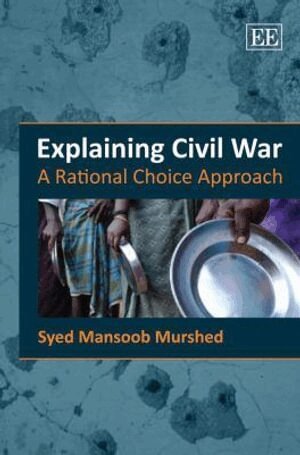
    Explaining Civil War

    A Rational Choice Approach

    AvSyed Mansoob Murshed

    Inbunden, Engelska, 2009

    1 794 kr

    Beställningsvara. Skickas inom 5-8 vardagar. Fri frakt över 249 kr.

    Beskrivning

    Using the rational choice approach, Syed Mansoob Murshed analyses the motivations behind civil war and identifies growth and institutional failure as catalysts of the greed and grievance that characterise the onset and persistence of civil war. This book explores the pre-conditions for conflict in terms of growth failure and critically appraises the greed and grievance theories common to conflict literature. It is argued that various institutional mechanisms of restraint that can be labeled the 'social contract' are crucial for violent conflict avoidance. The reasons underpinning the instability of treaties ending civil wars, post-conflict reconstruction issues, liberal peace theory, and how globalization and conflict relate are also examined. Explaining Civil War will be of interest to development economists and political scientists, as well as to students and researchers of political economy and conflict studies.

    Produktinformation

    • Utgivningsdatum:2009-11-27
    • Mått:156 x 234 x undefined mm
    • Format:Inbunden
    • Språk:Engelska
    • Förlag:Edward Elgar Publishing Ltd
    • ISBN:9781847208088

    Utforska kategorier

    • Internationell ekonomi inom Ekonomi och Ledarskap
    • Militära operationer inom Samhälle och politik

    Mer om författaren

    Syed Mansoob Murshed, Professor of the Economics of Conflict and Peace, The Institute of Social Studies, the Netherlands, Professor of International Economics, Birmingham Business School, University of Birmingham, UK and honorary fellow, Peace Research Institute, Oslo, Norway (PRIO)

    Recensioner i media

    'Conflict is now identified as one of the most significant sources of development failure and thus of growing income divergence between nations. Dr. Murshed's book addresses the issues of weak institutions, conflict, and slow growth. It presents a synthesis of the existing theories, and provides many new insights. It will certainly be much consulted and read by academics, policy-makers and all those who are interested in the causes of conflict and post-conflict reconstruction.'

    Innehållsförteckning

    • Contents: 1. Introduction 2. Growth and Conflict 3. Greed and Grievance 4. The Uneasy Commitment to Peace 5. The Social Contract and Lasting Peace 6. Post-War Economic Reconstruction 7. The Liberal Peace and Globalization 8. Conclusions References Index