• Fri frakt över 249 kr
  • •
  • Snabba leveranser
  • •
  • Billiga böcker
Kundservice

Du är på sajten för privatpersoner.

Företag, bibliotek eller offentlig verksamhet?

Du handlar på classic.bokus.com, där alla dina funktioner finns intakta.
Till classic.bokus.com
Bokus logotyp. Gå till startsidan.
  • Erbjudanden
  • Nyheter
  • Student
  • Topplistor
  • Barn & ungdom
  • Bokus Play
  • E-böcker
  • Pocketböcker
  • Spel & pussel

10% rabatt på allt med kod: NYSTART10 →

Sidfot

Mina sidor

    Hjälp

    • Kundservice
    • Vanliga frågor och svar
    • Frakt och leverans
    • Retur vid ångerrätt
    • Reklamera vara
    • Betalning
    • Köpvillkor
    • Allmänna villkor
    • Information om webbplatsens tillgänglighet

    Om Bokus

    • Om oss
    • Pressrum
    • För studenter
    • För företag
    • För bibliotek och offentlig verksamhet
    • För leverantörer
    • Hållbarhet

    Populärt

    • Aktuella erbjudanden
    • Presentkort
    • Studentlitteratur
    • Nya böcker
    • Topplistor
    • Signerade böcker
    • Engelska böcker

    Inspiration

    • Boktips
    • BookTok
    • Populära bokserier
    • Barnbokskaraktärer
    • Populära författare
    Logotyp för Bokus
    Följ oss på Facebook (extern länk)Följ oss på Instagram (extern länk)Följ oss på YouTube (extern länk)Följ oss på TikTok (extern länk)
    bokus @ CookiesAnpassa cookiesIntegritetspolicyKöpvillkor
    Till Citymail hemsida (extern länk)Till Budbee hemsida (extern länk)Till Postnord hemsida (extern länk)Till Schenker hemsida (extern länk)Till Early Bird hemsida (extern länk)Till Walleys hemsida (extern länk)
    1. Samhälle och politik
    2. Politik och statsskick
    3. Internationella relationer

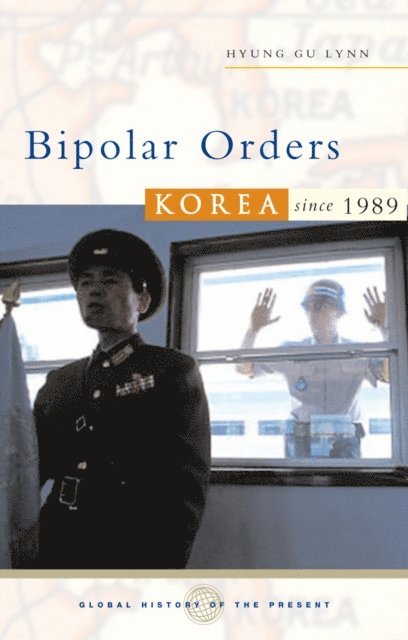
    Bipolar Orders

    The Two Koreas Since 1989

    AvHyung Gu Lynn

    E-bok
    PDF, Engelska, 2008

    Del i serien Global History of the Present

    561 kr

    Läs direkt i Bokus Reader – eller ladda ned till din enhet (PDF kräver ofta zoom och scroll på små skärmar).

    Fler format och utgåvor

    Häftad

    522 kr

    E-bok

    561 kr

    Beskrivning

    North Korea and South Korea are never far from the news headlines - one for the alleged danger it poses to the world, the other for its apparent capitalist success story. In Bipolar Orders, Hyung Gu Lynn analyzes the processes driving both countries since the 1980s.North Korea has experienced severe economic deterioration and increasing international isolation, while South Korea has undergone democratization and witnessed the emergence of a vibrant consumer culture. Paradoxically, this growing gap in ideologies and material standards has led to improved relations between the two countries. Why has this counterintuitive development occurred? Is North Korea really a threat, and if so, for whom? This book provides a substantive, accessible, and timely examination of the complex and compelling histories of the two Koreas.

    Produktinformation

    • Utgivningsdatum:2008-02-29
    • Språk:Engelska
    • Antal sidor:225
    • Filformat:PDF
    • Kopieringsskydd:LCP
    • ISBN:9781848130517
    • Förlag:Bloomsbury Publishing PLC
    • Serie:Global History of the Present

    Utforska kategorier

    • Internationella relationer inom Samhälle och politik
    • Asiens historia inom Historia och arkeologi

    Mer om författaren

    Hyung Gu Lynn is the AECL/KECPO Chair in Korean Research at the University of British Columbia. He has researched and taught at universities in Canada, the USA, South Korea, and Japan. His current research projects range from economic history to contemporary popular culture, plastic surgery to epistemology.

    Recensioner i media

    This book will serve as a good introductory analysis to the complexity of the post-1989 Korean arena for Asian studies, political science and even economics students, as well as for policy makes who strive to understand what is happening in the Korean Peninsula.

    Innehållsförteckning

    • Introduction1. Democratization and Anti-Americanism in South Korea2. Capitalism and Consumerism in South Korea3. Political Isolation of North Korea4. Economic Decline of North Korea5. Representations in Popular Culture of South and North6. North Korea and South Korea in the WorldConclusionsNotesSuggestions for Further ReadingIndex